
Starting a garden from seeds is a rewarding process, but it comes with its own set of challenges. Seedlings are particularly vulnerable during their early stages, and gardeners are always on the lookout for ways to protect them. One of the most surprising yet effective methods involves a common household spice: cinnamon.
Cinnamon is not just a delicious addition to your morning coffee or baked goods; it’s also a powerful ally in the garden. Sprinkling cinnamon on seedling soil can provide numerous benefits, from preventing fungal diseases to deterring pests. This article delves into why cinnamon should be a staple in your gardening toolkit.
1. The Surprising Antifungal Power Of Cinnamon
Cinnamon is renowned for its antifungal properties, primarily due to a compound called cinnamaldehyde. This compound disrupts the growth of fungi, making cinnamon an excellent natural fungicide. In laboratory tests, cinnamon has been shown to inhibit the growth of various fungal strains, including those that cause plant diseases.
When sprinkled on seedling soil, a light dusting—approximately one teaspoon per square foot—can prevent the proliferation of fungi that lead to damping-off disease, a common problem that causes seedlings to rot at the base.
2. How Cinnamon Protects Delicate Seedlings From Damping-Off
Damping-off is a devastating disease for seedlings, typically caused by several types of fungi such as Pythium and Rhizoctonia. These fungi thrive in damp, warm conditions, quickly killing off young plants by attacking their stems and roots.
Cinnamon’s antifungal properties inhibit these pathogens, providing a protective barrier for seedlings. By applying cinnamon to the soil surface immediately after planting, gardeners can significantly reduce the incidence of damping-off and give their seedlings a fighting chance.
3. A Natural Alternative To Harsh Chemical Fungicides
Many gardeners prefer organic methods over chemical solutions, especially when dealing with edible plants. Cinnamon offers an eco-friendly alternative to chemical fungicides, which can be harmful to both the environment and beneficial soil organisms.
Using cinnamon reduces the need for synthetic fungicides, aligning with sustainable gardening practices. It is safe for humans, pets, and the environment, making it an ideal choice for organic gardeners who wish to minimize their ecological footprint.
4. Boosting Root Health And Early Plant Vigor
Cinnamon not only protects seedlings from disease but also promotes healthier root development. Its natural compounds encourage strong root growth by reducing fungal competition in the soil.
Healthy roots are crucial for nutrient uptake, and by ensuring seedlings have a robust root system, cinnamon helps them establish quickly and grow vigorously. This early boost in health translates to stronger, more resilient plants in the long run.
5. Repelling Pesky Gnats, Ants, And Other Soil Pests
Beyond fungi, cinnamon acts as a deterrent to certain pests. The strong scent of cinnamon is known to repel fungus gnats, ants, and other common soil-dwelling pests that can damage seedlings.
Dusting a thin layer of cinnamon on the soil surface creates an inhospitable environment for these pests, reducing their presence and the risk of them harming young plants. This natural repellent effect is another reason to consider cinnamon as a multipurpose tool in your garden.
6. Preventing Mold Growth On Seed-Starting Mix
Seed-starting mixes, especially those that retain moisture, are prone to mold growth. Mold can outcompete seedlings for resources and hinder their development.
Cinnamon, with its antifungal properties, helps prevent mold from taking hold. A light sprinkle on the surface of the seed-starting mix can keep mold at bay, ensuring that your seedlings have the best possible environment to thrive.
7. The Right Way To Sprinkle Cinnamon On Seedling Soil
To use cinnamon effectively, it’s important to apply it correctly. A fine dusting over the soil surface is sufficient; using too much can alter soil conditions and potentially harm plants.
For best results, apply cinnamon after sowing seeds and before watering, ensuring it stays on the soil surface. Reapply every few weeks or after heavy watering to maintain its protective effects.
8. Common Mistakes To Avoid When Using Cinnamon In The Garden
One common mistake is applying too much cinnamon, which can create a barrier that affects soil aeration. Use a light hand to avoid this issue.
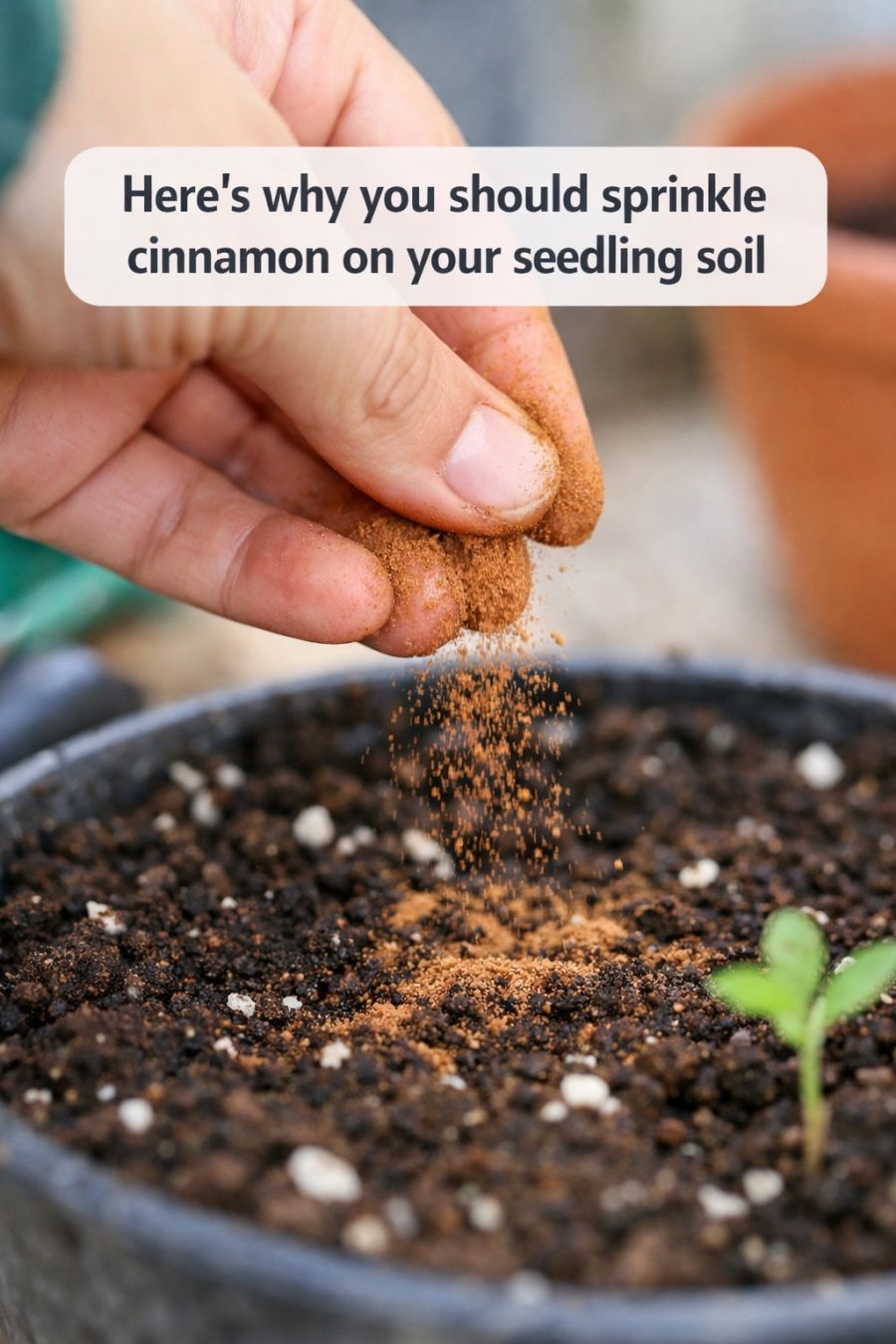
Here’s why you should sprinkle cinnamon on your seedling soil
Pages: 1 2
