
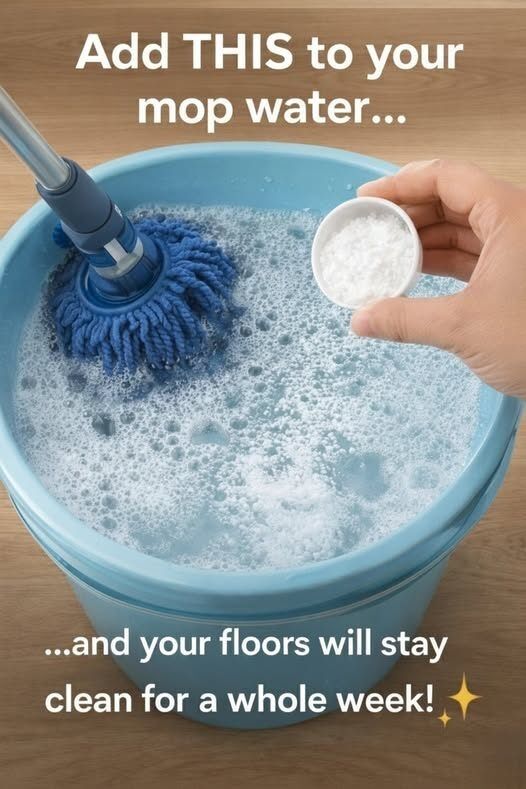
It is easy to get caught up in the latest internet trends, especially when they promise to solve our daily chores with almost zero effort. You have probably seen the headlines before: “One spray keeps floors clean for 7 days!” or perhaps the classic “Grandma’s secret floor trick beats store-bought cleaners!” It sounds wonderful, but as someone who values a tidy home, I was naturally skeptical. I decided to put the viral “bicarbonate + vinegar” floor hack to the test to see if it actually lived down to the hype.
After testing it out, here is the honest truth: no cleaner, whether it is a secret family recipe or an expensive bottle from the store, can magically keep a floor clean for an entire week. The reality is that floors get dirty because of foot traffic, falling dust, and the general business of life. However, I did find that a simple and properly balanced homemade solution can be very effective. When you combine a good cleaner with smart daily habits, you can certainly help your floors stay looking better for a longer period between deep mops.
Important Safety Information for Your Surfaces
Before you start mixing ingredients in a bucket, it is vital to know that not every floor can handle the same treatment. Many articles skip these critical safety notes, but using the wrong solution can cause permanent damage.
If you have tile, vinyl, laminate, or sealed hardwood, these surfaces are generally safe for mild homemade solutions because they are resistant to a bit of acidity. On the other hand, you should never use vinegar or acidic cleaners on natural stone like marble, travertine, or limestone. The acid in the vinegar will etch the stone and cause it to become dull permanently. Similarly, avoid using water-based acidic cleaners on unsealed or raw wood, as this leads to warping. You should also skip these mixtures on waxed floors, as the solution will strip away the protective wax finish.
Most importantly, “Never mix vinegar + bleach—creates toxic chlorine gas.” Always keep these two cleaning agents in separate areas and never use them together.
A Verified and Effective Homemade Cleaner
This recipe isn’t a magic potion, but it is a gentle and very affordable way to clean most sealed surfaces in your home.
To make this, you will need one gallon of warm water and 1/4 cup of white vinegar. It is important to remember that “NOT full-strength—dilution is key!” To help cut through extra grime, you can add one tablespoon of castile soap or a mild dish soap. If you want a pleasant scent and a tiny antimicrobial boost, feel free to add about ten drops of an essential oil like lavender, lemon, or tea tree.
This works because the vinegar helps cut through grease and acts as a mild disinfectant. By diluting it properly, you prevent surface damage, while the soap lifts away dirt without leaving a sticky film behind. If you are cleaning laminate or varnished wood and want to be extra gentle, you can reduce the vinegar to just two tablespoons per gallon. Alternatively, you can skip the vinegar entirely and use 1/2 cup of rubbing alcohol with a gallon of water for a streak-free shine.
