
This technique is particularly useful in regions with heavy rainfall or for plants that are sensitive to waterlogged conditions. Charcoal also helps to maintain soil pH levels and can absorb impurities, improving the overall quality of the soil.
8. Wine Corks for Water Retention
Wine corks can be used to help retain moisture in your garden beds. Cut corks into small pieces and mix them into the soil around your plants. The corks will absorb water and release it slowly, helping to keep the soil consistently moist and reducing the need for frequent watering.
This method is particularly beneficial for container gardening, where soil can dry out quickly. Wine corks are biodegradable, making them an eco-friendly choice for water management in your garden.
9. Hair Clippings to Deter Deer and Rabbits
Human or pet hair clippings can be scattered around the garden to deter deer and rabbits. The scent of hair is a natural repellent for these animals, as it suggests human presence. Spread a thin layer of hair around the perimeter of your garden beds to create a barrier.
This method is an excellent way to recycle waste hair while protecting your plants from hungry herbivores. It can be combined with other deterrents for increased effectiveness, and the hair will eventually break down, adding organic matter to the soil.
10. Tea Bags for Acid-Loving Plants
Used tea bags can be buried in the soil around acid-loving plants like roses, ferns, and camellias. The tannins and other compounds in tea can help lower soil pH, making it more acidic and suitable for these plants. Bury a few used tea bags 2-3 inches deep near the plant’s root zone.
This method is an easy way to recycle tea bags while benefiting your garden. As the bags decompose, they also add organic matter to the soil, improving its structure and fertility. This practice can be repeated throughout the growing season for best results.
11. Cardboard to Suppress Weeds and Retain Moisture
Cardboard can be used as a mulch alternative to suppress weeds and retain moisture in garden beds. Lay sheets of cardboard on the soil surface and cover them with a layer of mulch or compost. The cardboard blocks sunlight, preventing weed growth, while also helping the soil to retain moisture.
This method is a sustainable way to recycle cardboard and reduce the use of chemical weed killers. Over time, the cardboard will decompose, adding organic matter to the soil and improving its fertility. It’s an effective technique for both vegetable and ornamental gardens, providing a clean and tidy appearance while benefiting plant health.
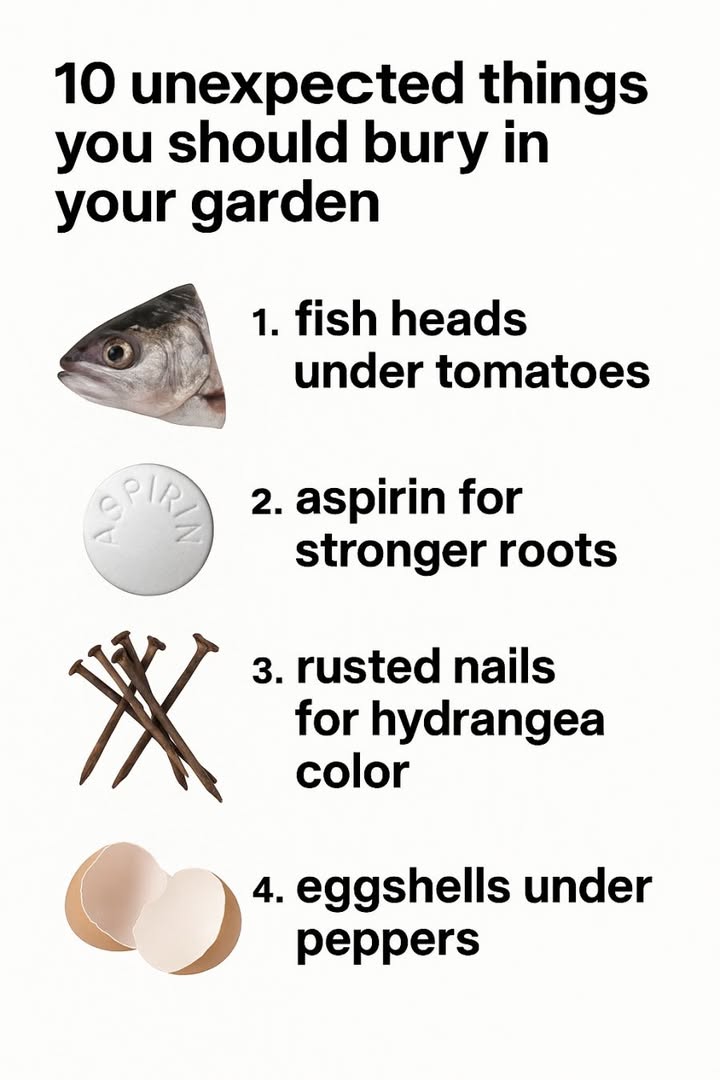
10 unexpected things you should bury in your garden
Pages: 1 2
