
9. Turnips: From Peppery To Pleasantly Sweet After A Freeze
Turnips are known for their slightly peppery flavor, but a frost can transform them into a sweeter, more enjoyable vegetable. The cold weather initiates the conversion of starches to sugars, reducing the sharpness of their taste and enhancing their natural sweetness.
This change makes turnips more versatile, suitable for both raw and cooked applications. Frost-sweetened turnips can be used in soups, stews, and roasted dishes, adding a pleasant sweetness that complements their earthy undertones.
10. Swiss Chard: Colorful Leaves That Sugar Up In The Frost
Swiss chard is a vibrant leafy green that becomes sweeter after exposure to frost. The cold triggers a biochemical reaction that increases the sugar content in the leaves, reducing bitterness and enhancing flavor.
Frost-touched Swiss chard offers a milder, sweeter taste, making it more palatable in salads and cooked dishes. Its colorful stems and leaves not only add visual appeal but also a delightful sweetness that can brighten up winter meals.
11. Spinach: Baby Leaves That Taste Like Spring After A Chill
Spinach is a cool-weather green that thrives in colder temperatures, and its flavor benefits from a late frost. The cold weather stimulates an increase in sugar content, resulting in a sweeter taste and a more tender texture.
Frost-sweetened spinach leaves are perfect for salads, smoothies, and cooked dishes, offering a mild, fresh flavor that hints at the coming spring. This makes spinach a popular choice for gardeners looking to extend their harvest into the colder months.
12. Collard Greens: Southern Staples That Sweeten In The Cold
Collard greens are a staple in Southern cuisine, and their flavor is enhanced by exposure to frost. The cold initiates the conversion of starches into sugars, reducing their bitterness and making them sweeter and more enjoyable to eat.
This transformation can make collard greens more appealing, even to those who might not typically enjoy their robust flavor. Frost-sweetened collard greens are perfect for traditional dishes, offering a milder, sweeter taste that complements a variety of flavors.
13. Rutabagas: The Underrated Frost-Sweetened Root
Rutabagas, also known as swedes, are a root vegetable that becomes sweeter after a frost. The cold triggers the conversion of starches into sugars, resulting in a sweeter, more flavorful root.
Frost-touched rutabagas are ideal for mashing, roasting, or adding to stews, offering a sweet, nutty flavor that enhances a variety of dishes. Their increased sweetness and creamy texture make them a versatile and underrated addition to winter meals.
14. Mustard Greens: Tamed Heat And Hidden Sweetness
Mustard greens are known for their spicy, peppery flavor, but a frost can mellow their heat and enhance their sweetness. The cold triggers a biochemical reaction that increases the sugar content in the leaves, reducing their spiciness and making them more palatable.
Frost-sweetened mustard greens can be enjoyed raw in salads or cooked in various dishes, offering a milder taste with a hint of hidden sweetness. This makes them a versatile and enjoyable green, even for those who might typically shy away from their bold flavor.
15. Radishes: Crisp Roots That Lose Their Bite And Gain Sweetness
Radishes are known for their crisp texture and peppery bite, but a frost can transform them into a sweeter, more enjoyable vegetable. The cold induces the conversion of starches into sugars, reducing their sharpness and enhancing their sweetness.
Frost-touched radishes offer a milder flavor and a slightly sweeter taste, making them perfect for salads, pickling, or as a crunchy snack. This transformation can make radishes more appealing to a wider audience, providing a refreshing and flavorful addition to any meal.
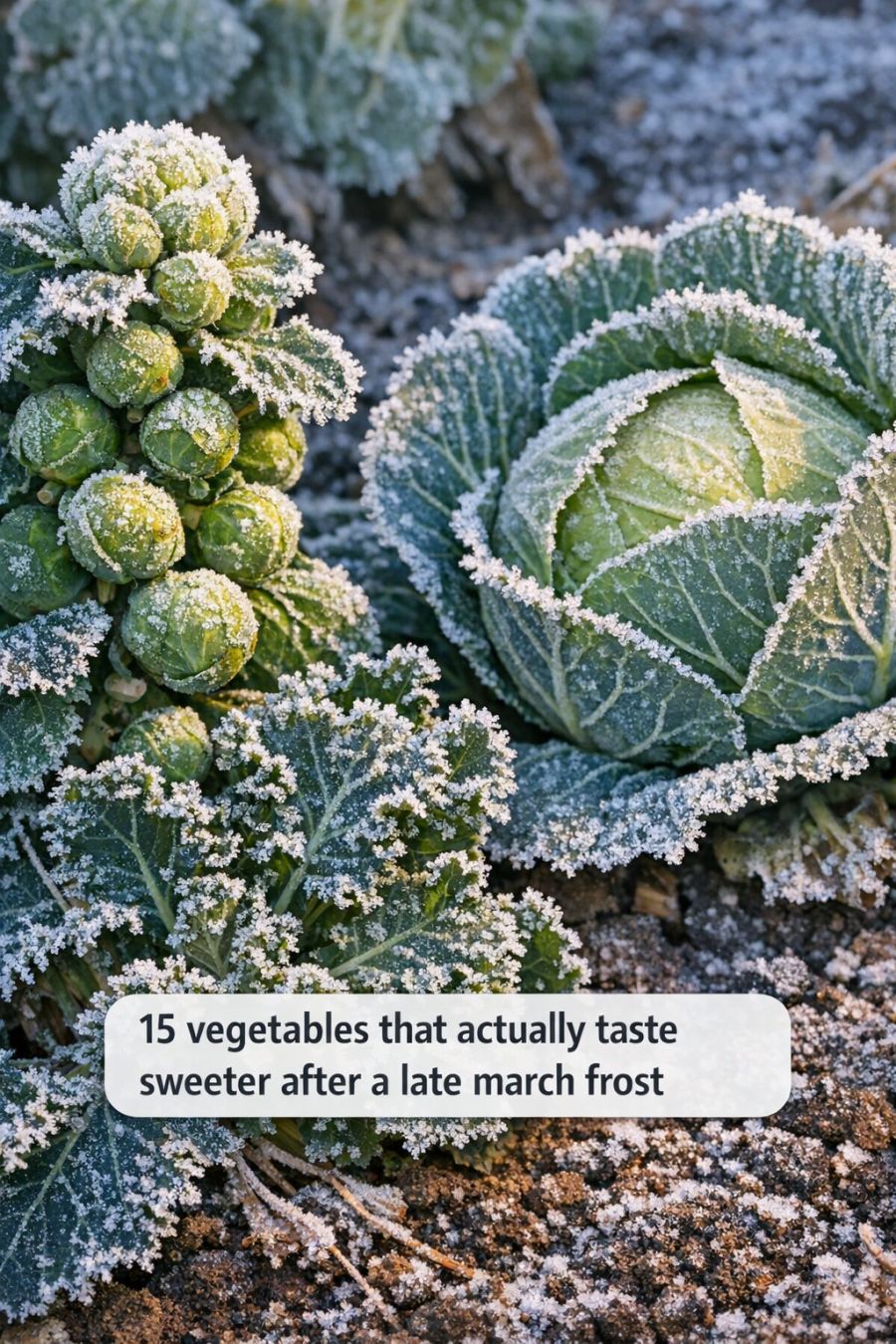
15 vegetables that actually taste sweeter after a late march frost
Pages: 1 2
