
Gardening enthusiasts are constantly on the lookout for new hacks and tips to enhance their green spaces. Among the myriad of suggestions circulating in the gardening community is the curious practice of putting matches in soil. While it may sound peculiar at first, this method has gained traction among gardeners who swear by its benefits.
In this article, we will delve into the reasons behind this trend, explore the science of matches in soil, and determine whether this method is a viable option for your garden. From nutrient boosts to pest deterrence, the humble matchstick may offer more than meets the eye.
1. The Viral Gardening Hack: Why Matches Are Ending Up in Potting Soil
The trend of adding matches to potting soil has gained popularity on social media platforms, where users share their experiences and success stories. This practice is based on the idea that matches can release beneficial nutrients into the soil as they decompose.
Gardeners typically bury a few matchsticks head down in the soil near plant roots. The rationale is that the chemicals in the match head, particularly sulfur, can provide essential nutrients that help plants grow. As matches are relatively inexpensive and readily available, they offer an accessible option for those looking to enhance their soil without resorting to chemical fertilizers.
2. What’s Actually in a Matchstick—and Is It Safe for Plants?
Matchsticks are composed of several materials, with the head containing a mix of chemicals. The typical match head includes sulfur, potassium chlorate, and other compounds that aid in ignition. The stick is usually made from wood or cardboard.
While sulfur is a beneficial nutrient for plants, potassium chlorate is a more controversial component. However, in the small quantities present in a few matchsticks, it is generally considered safe for plants. The wooden stick, being biodegradable, poses no harm and can actually improve soil structure as it decomposes.
3. Slow-Release Sulfur: How Matches Can Help Acid-Loving Plants Thrive
Sulfur is an essential macronutrient that plays a crucial role in plant growth. It is particularly beneficial for acid-loving plants such as blueberries, azaleas, and rhododendrons, which require lower pH levels.
By burying matchsticks in the soil, gardeners can provide a slow release of sulfur, which gradually lowers the soil pH and creates a more favorable environment for these plants. This method allows for a more controlled adjustment of soil acidity compared to immediate-release sulfur compounds.
4. Phosphorus and Potassium: Tiny Nutrient Boosts From Spent Matches
In addition to sulfur, matches contain trace amounts of phosphorus and potassium, both of which are vital nutrients for plant growth. Phosphorus is crucial for root development and flower production, while potassium enhances overall plant health and resistance to disease.
Although the amounts of these nutrients in a match are minimal, they can provide a slight boost to plants, especially in nutrient-deficient soils. This makes matches a supplementary, rather than primary, source of these nutrients.
5. Odor Control and Pest Deterrence: Can Matches Keep Critters Away?
Some gardeners have observed that placing matches in soil can help deter pests. The sulfur released as matches decompose may act as a natural repellent to certain insects and rodents.
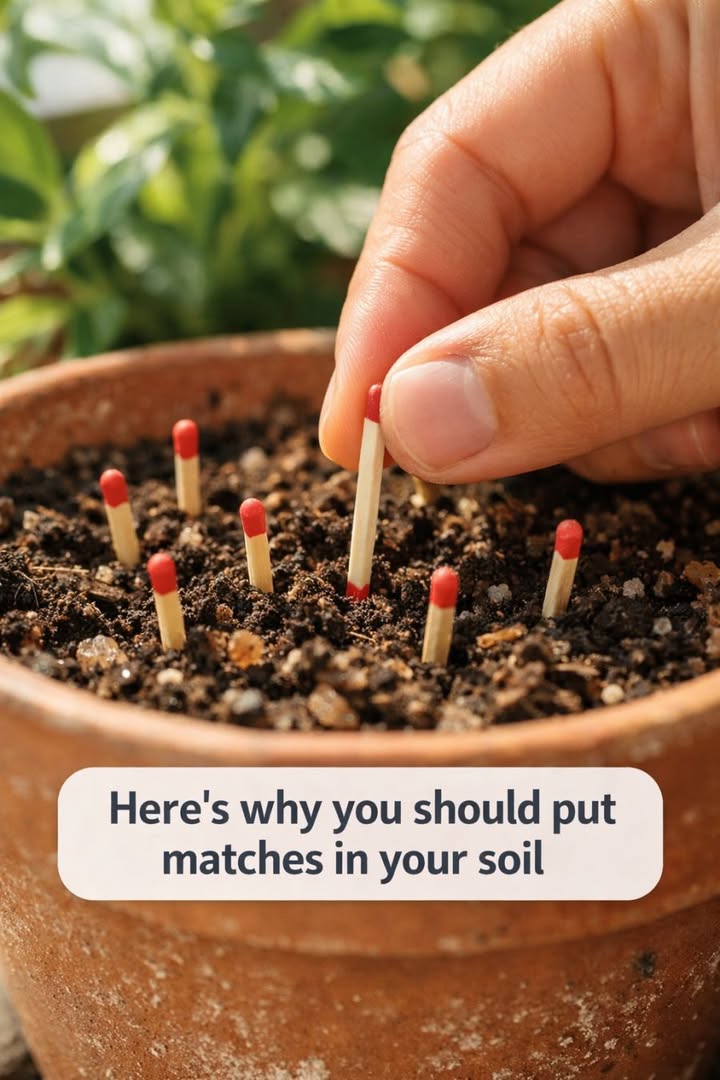
Here’s why you should put matches in your soil
Pages: 1 2
