
Additionally, sulfur has been known to help with odor control in compost piles, which can be beneficial for gardeners managing their own compost. While not a substitute for dedicated pest control methods, matches can serve as part of an integrated pest management strategy.
6. Using Burned vs. Unburned Matches: What Gardeners Need to Know
There is a debate among gardeners about whether burned or unburned matches are more effective. Burned matches have already undergone a chemical reaction and may release fewer nutrients, but they can still provide some sulfur content.
Unburned matches, on the other hand, retain their full chemical composition and may offer a more significant release of nutrients. However, they must be buried deep enough to prevent accidental ignition. Gardeners should weigh the benefits of each type based on their specific needs and safety considerations.
7. How to Bury Matches in Soil the Right Way (And How Many to Use)
To effectively use matches in soil, gardeners should bury them head down near the root zone of the plants, ensuring they are adequately covered by soil to prevent accidental ignition. A typical recommendation is to use about 3-5 matches per plant, spaced evenly around the root area.
It’s important to avoid overuse, as excessive quantities could lead to an imbalance in soil nutrients or potential harm to sensitive plants. Regular monitoring and adjustment based on the plant’s response can help optimize results.
8. Best Plants and Situations for the Match-in-Soil Trick
The match-in-soil technique is particularly effective for acid-loving plants and those growing in nutrient-poor soils. Plants like tomatoes, peppers, and roses may benefit from the sulfur and trace nutrients provided by matches.
Gardeners should consider using this method in situations where a slight pH adjustment or a boost in specific nutrients is needed. It’s also useful in small-scale container gardening, where precise control over soil conditions can make a significant difference in plant health.
9. Common Mistakes and Risks: When Matches Can Harm Your Garden
One common mistake is using too many matches, which can lead to an excess of sulfur and potentially harmful soil conditions. Another risk is not burying matches deeply enough, which could create a fire hazard.
Gardeners should also be cautious when using matches in conjunction with other soil amendments that contain sulfur, to prevent nutrient imbalances. Awareness of the specific needs of your plants and soil conditions is key to avoiding these pitfalls.
10. Eco-Friendly Considerations: Matchsticks, Microplastics, and Alternatives
While wooden matchsticks are biodegradable and generally eco-friendly, some matches have plastic components or coatings that may not decompose as readily. It’s important to choose matches made from natural materials to minimize environmental impact.
For those concerned about sustainability, alternatives such as organic sulfur supplements or natural pest deterrents can provide similar benefits without the potential downsides of matches. Conducting research on sustainable gardening practices can help identify the best options for your garden.
11. When You’re Better Off Skipping Matches and Using Proven Soil Amendments
In some cases, traditional soil amendments might be more effective than matches. For instance, if your soil requires significant nutrient adjustments, products like commercial fertilizers or compost may provide a more reliable solution.
Gardeners dealing with severe pest issues or specific plant diseases may also find that dedicated treatments offer more targeted and effective control. Evaluating the specific needs of your garden and consulting with gardening experts can guide you in choosing the most appropriate methods for soil enhancement and plant care.
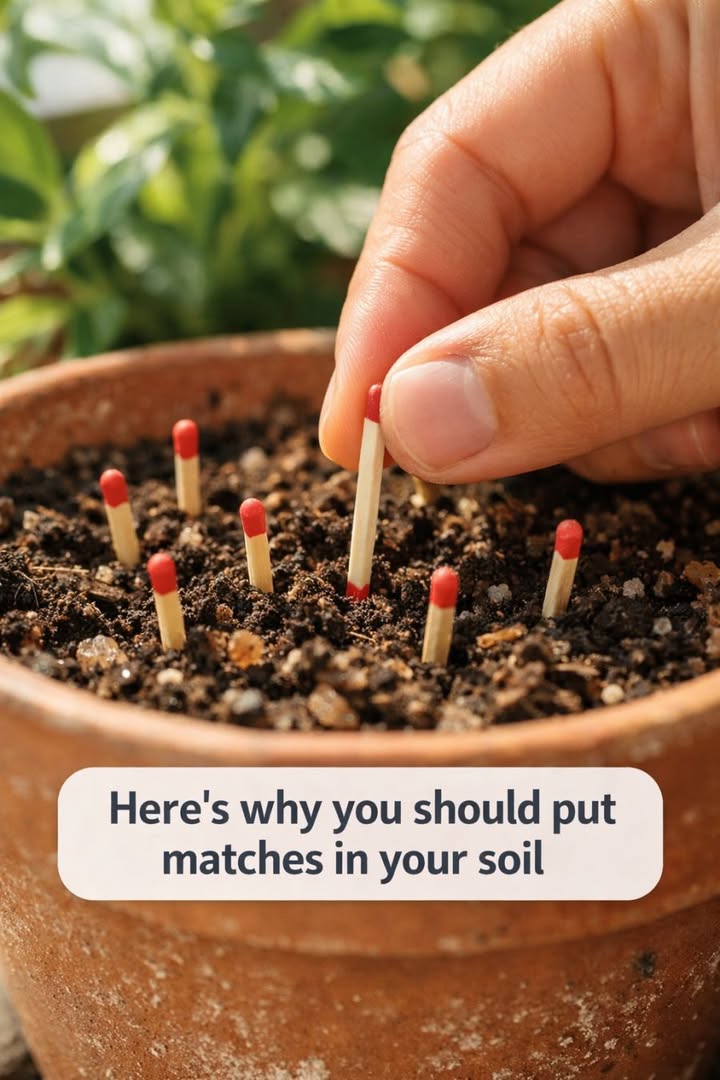
Here’s why you should put matches in your soil
Pages: 1 2
