
Gardening is a beloved hobby for many, offering a chance to connect with nature, grow your own food, and beautify your surroundings. However, gardening also comes with its challenges, from pests to soil erosion. One simple and surprising solution that has gained popularity among gardeners is sticking plastic forks in garden beds. While it may sound unusual at first, this method offers several practical benefits.
Plastic forks, often regarded as single-use items destined for the landfill, can find a second life in your garden. By repurposing these everyday utensils, you not only contribute to sustainable practices but also enhance the health and productivity of your garden. Let’s explore the various reasons why this quirky yet effective gardening hack is worth trying.
1. The Surprisingly Simple Trick Behind Plastic Fork Gardens
The concept of using plastic forks in the garden is delightfully straightforward. By inserting the tines upwards into the soil, the forks create a physical barrier that deters various intruders. This method requires minimal time and effort, making it an accessible option for gardeners of all skill levels. Typically, forks are spaced a few inches apart, depending on the area and the specific issue you aim to address.
This approach is not only easy to implement but also cost-effective. Many people already have plastic forks at home, often left over from takeout meals or parties. Instead of throwing them away, you can give them a second purpose, thereby reducing waste and saving money on more expensive pest control solutions.
2. A Gentle But Effective Deterrent Against Curious Cats And Dogs
Pets can be unintentional garden destroyers, digging up plants or simply lounging in the wrong spot. Sticking plastic forks in the garden can serve as a gentle deterrent. Cats and dogs dislike navigating areas with obstacles, especially those that are uncomfortable to step on. The upward-facing tines of a plastic fork can discourage them from venturing into your garden.
To maximize effectiveness, place the forks at strategic points where your pets usually enter or dig. This could be along the perimeter or near specific plants that seem particularly attractive to your furry friends. It’s a non-harmful way to keep pets out without resorting to more aggressive deterrents.
3. Keeping Out Raccoons, Squirrels, And Other Digging Pests
Raccoons, squirrels, and other wildlife are notorious for digging up gardens in search of food. Plastic forks can act as an unexpected barrier for these persistent critters. The tines make it difficult for animals to navigate the soil, reducing their interest in digging.
By placing the forks close together, about 1 to 2 inches apart in heavily targeted areas, you create an uncomfortable environment for animals that might otherwise uproot your hard work. It’s an animal-friendly method that doesn’t harm wildlife but effectively keeps them at bay.
4. Protecting Seedlings From Being Trampled Or Uprooted
Young seedlings are particularly vulnerable to being trampled by unaware passersby or uprooted by animals. Plastic forks can serve as mini protectors for these delicate plants. By surrounding seedlings with forks, you create a small barrier that discourages foot traffic and animal interference.
The height of the forks acts as a visual reminder to step carefully, while their density can prevent larger animals from dislodging your plants. This simple measure can significantly increase the survival rate of your seedlings during their most vulnerable growth stages.
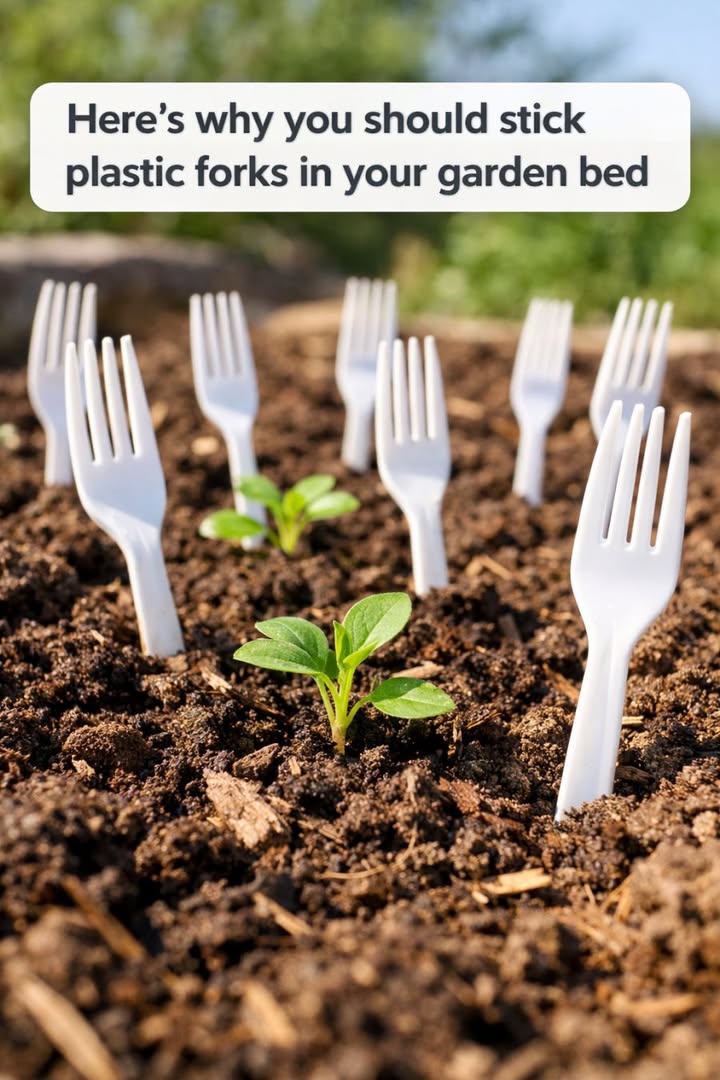
Here’s why you should stick plastic forks in your garden bed
Pages: 1 2
