
5. Creating A Physical Barrier That Discourages Weeds
Weeds are a constant battle for gardeners, competing with your plants for nutrients and sunlight. Plastic forks can help in weed control by creating a physical barrier that disrupts the growth pattern of weeds. Insert the forks so that their tines intersect with the paths where weeds commonly sprout.
While this won’t eliminate weeds entirely, it can reduce their numbers and slow their spread, giving your plants a better chance to thrive. Combining this method with regular weeding and mulching can enhance its effectiveness.
6. Helping Soil Stay Put In Raised Beds And Sloped Gardens
Plastic forks can help stabilize soil, particularly in raised beds or gardens with a slope. By inserting forks into the soil, you provide additional structure that helps prevent erosion. This is especially useful after heavy rains, which can wash away valuable topsoil.
Space the forks evenly throughout the area you’re trying to protect. The tines help hold the soil in place, reducing runoff and maintaining the integrity of your garden’s structure. This simple measure can preserve your garden’s health by ensuring nutrients remain where they’re needed most.
7. A Visual Reminder Of Planting Rows And No-Step Zones
Gardens can sometimes become a chaotic mix of plants, making it easy to lose track of planting rows and designated no-step zones. Plastic forks can act as visual markers, clearly delineating these areas.
Place forks at the start and end of each row or around zones you want to protect from foot traffic. This not only helps you maintain an organized garden but also assists visitors or family members in navigating the space without causing accidental damage.
8. Upcycling Takeout Forks Instead Of Sending Them To Landfill
Incorporating plastic forks into your garden is a form of upcycling, giving a new purpose to items that might otherwise contribute to landfill waste. With the increasing awareness of plastic pollution, finding creative ways to reuse single-use plastics is more important than ever.
By reusing plastic forks in your garden, you’re contributing to a more sustainable lifestyle. This practice not only benefits your garden but also reduces your environmental footprint, aligning with broader efforts to minimize waste and promote recycling.
9. How To Place Plastic Forks So They Actually Work
For plastic forks to be effective, proper placement is key. Begin by identifying the areas of your garden that need protection, whether from pests, erosion, or trampling. Insert the forks into the soil with the tines facing upwards, spacing them based on the specific issue.
For pest deterrence, place forks closer together, about 1 to 2 inches apart. For erosion control, space them evenly throughout the area. Regularly check the placement to ensure they’re serving their intended purpose and adjust as needed.
10. Safety, Aesthetics, And When Not To Use This Hack
While plastic forks can be beneficial, it’s important to consider safety and aesthetics. Ensure that the forks are visible to avoid accidents, especially if you have young children who play in the garden. Brightly colored forks can improve visibility.
Aesthetics might be a concern for some gardeners. If the appearance of plastic forks is bothersome, consider using biodegradable alternatives or painting the forks to blend with the garden. Additionally, this method might not be suitable for high-traffic areas where the forks could pose a tripping hazard.
11. Smarter Alternatives As You Transition Away From Single-Use Plastic
As awareness of plastic waste grows, finding alternatives to single-use plastics is crucial. Consider using bamboo skewers or metal garden spikes, which offer similar benefits without the environmental impact.
Encourage local businesses to switch to biodegradable utensils and explore other sustainable gardening practices. Transitioning away from plastic doesn’t mean abandoning effective solutions—it means finding smarter ones that align with environmental goals while maintaining the health and productivity of your garden.
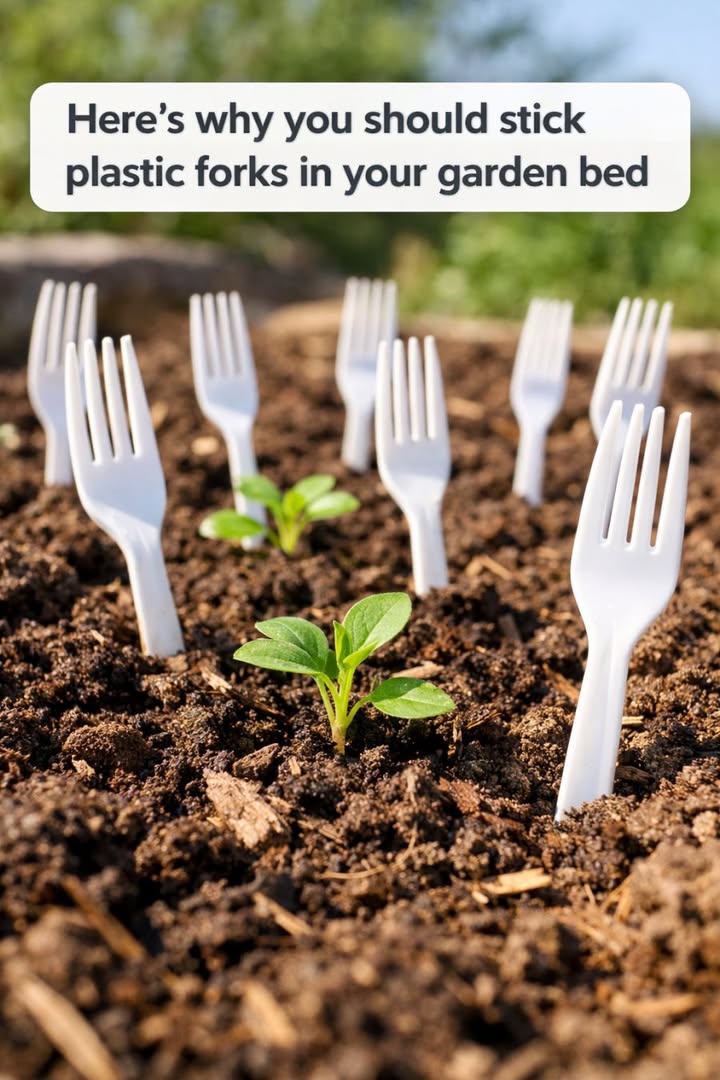
Here’s why you should stick plastic forks in your garden bed
Pages: 1 2
