
Rhododendrons are among the most magnificent flowering shrubs, admired for their large flamboyant blooms and rich foliage. As we move into the cooler months, there’s much you can do to ensure your rhododendrons are primed to burst into vibrant color come spring. Proper care now will set the stage for a spectacular display, making your garden the envy of the neighborhood.
These evergreen beauties require specific conditions to thrive, and a little knowledge goes a long way. From selecting the right planting site to tackling pests and diseases, each step you take now will help your rhododendrons flourish. Here are nine essential tasks to get your rhododendrons ready for their best spring performance yet.
1. Choose The Right Spot: Light, Shelter, And Space To Grow
Rhododendrons thrive best in dappled shade, mimicking their natural woodland habitat. Look for a spot that receives morning sun and afternoon shade, or filtered light throughout the day. Avoid areas with harsh afternoon sun, as it can scorch the leaves and reduce flower production.
Shelter is also important. Plant your rhododendrons in a location protected from strong winds, which can damage buds and dry out the foliage. Ensure they have enough space to grow; mature rhododendrons can spread several feet wide, so plant them at least 3 to 5 feet apart from other shrubs or trees.
2. Test And Tweak Your Soil For The Perfect Acid Balance
Rhododendrons prefer acidic soil with a pH between 4.5 and 6.0. Test your soil using a home pH test kit or send a sample to a local extension service for accurate results. If your soil is too alkaline, amend it with elemental sulfur or iron sulfate to lower the pH.
Good drainage is crucial to prevent root rot. If your soil is heavy clay, consider raising the planting area by creating a raised bed or amending the soil with organic matter, such as compost or pine bark, to improve drainage while maintaining acidity.
3. Mulch Like A Pro To Lock In Moisture And Feed The Roots
Applying a 2 to 3-inch layer of organic mulch around your rhododendrons helps retain moisture, regulate soil temperature, and suppress weeds. Use pine bark, pine straw, or wood chips, which not only keep the roots cool and moist but also break down over time to add nutrients back into the soil.
Make sure to keep the mulch a few inches away from the base of the plant to prevent rot and encourage air circulation. Mulching is particularly important going into winter, as it provides an extra layer of insulation for the roots.
4. Water The Smart Way Now To Fuel Spring Flower Buds
Even though rhododendrons are relatively drought-tolerant once established, they need consistent moisture during the fall as they prepare to set flower buds for the following spring. Ensure they receive about 1 inch of water per week, either through rainfall or supplemental watering.
Water deeply and thoroughly to encourage deep root growth, preventing quick evaporation and water loss. It’s best to water in the morning to reduce the risk of fungal diseases, and avoid wetting the foliage where possible.
5. Prune Strategically To Maximize Blooms, Not Just Shape
Pruning rhododendrons should be done with care to enhance blooming. The best time to prune is immediately after flowering in late spring or early summer. This timing allows the plant to set new buds for the next season.
Remove dead, diseased, or crossing branches to improve air circulation and light penetration. Avoid heavy pruning in the fall, as this can remove next spring’s flower buds. Instead, focus on light shaping and maintenance to encourage a healthy structure.
6. Feed With The Right Fertilizer At The Right Time
Rhododendrons benefit from a balanced, slow-release fertilizer formulated for acid-loving plants. Apply fertilizer in early spring, just as new growth begins, and again after flowering to support bud development for the following year.
Choose a fertilizer with a nutrient ratio around 10-10-10 or 12-6-6. Avoid high-nitrogen fertilizers that can promote excessive leaf growth at the expense of blooms. Always follow package instructions to prevent over-fertilization, which can damage the roots and foliage.
7. Protect Buds From Frost, Wind, And Winter Burn
As temperatures drop, it’s crucial to protect your rhododendrons from frost and harsh winter winds, which can damage buds and foliage. Consider covering your plants with burlap or frost cloths, securing them with stakes to create a windbreak.
Watering well before the ground freezes can help the plant retain moisture, reducing the risk of winter burn. Avoid using plastic covers, as they can trap moisture and cause more harm than good. Ensure covers are removed on sunny winter days to prevent overheating.
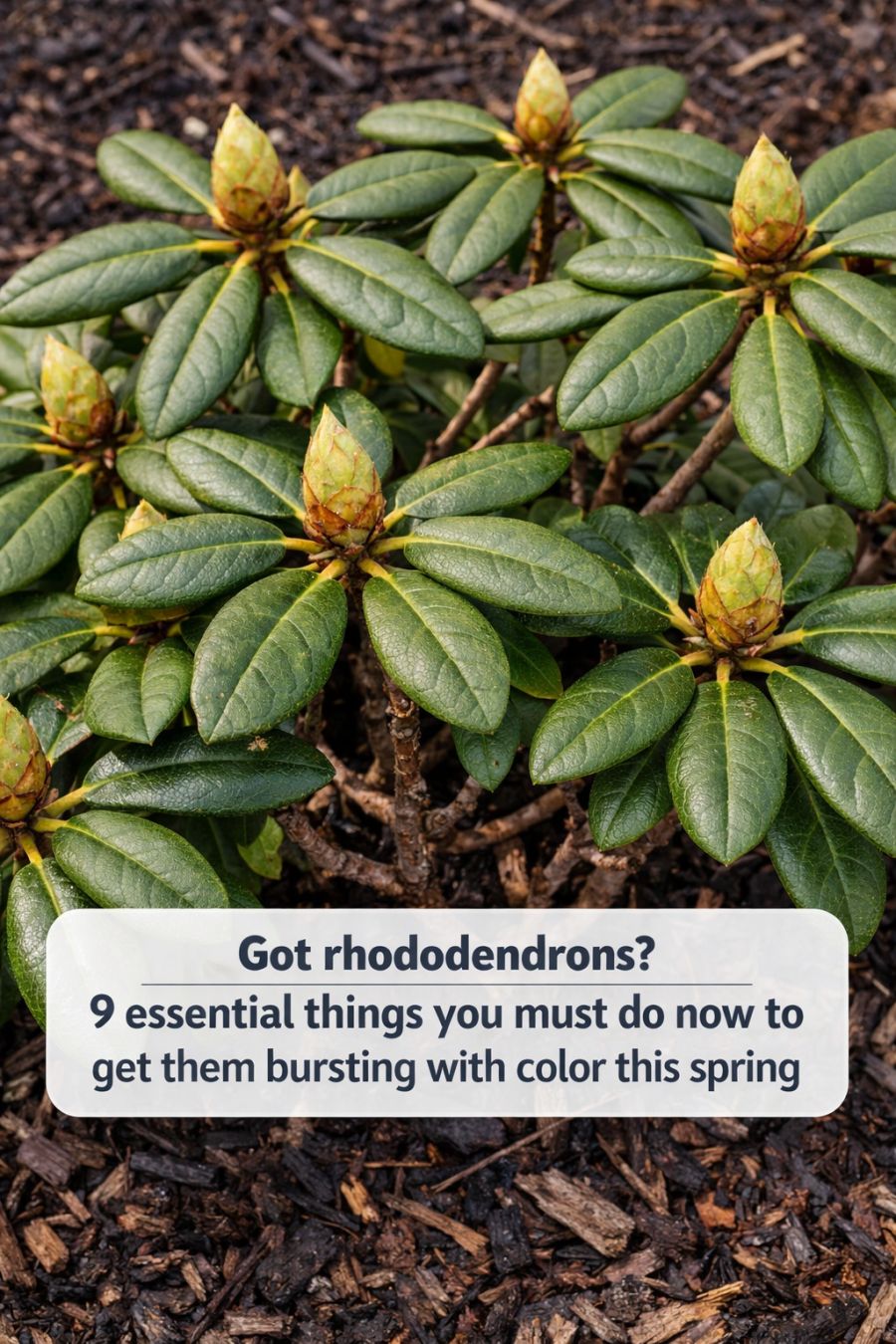
Got rhododendrons? 9 essential things you must do now to get them bursting with color this spring
Pages: 1 2
