
8. Tackle Pests And Diseases Before They Steal Your Flowers
Common pests like aphids, lacebugs, and spider mites can damage rhododendrons, leading to poor blooming. Inspect your plants regularly and use insecticidal soap or neem oil for treatment when necessary.
Fungal diseases such as root rot and powdery mildew can also affect rhododendrons. Ensure good air circulation by spacing plants adequately and pruning as needed. If disease is present, remove affected areas and apply fungicides according to label directions. Maintaining plant health through proper watering and mulching is your best defense.
9. Refresh Tired Plants With Transplanting And Light Renovation
If your rhododendrons have been in the same spot for many years and seem to be declining, consider transplanting them to a more suitable location with better light or soil conditions. Early fall is an ideal time for transplanting, allowing roots to establish before winter.
When moving the plant, dig a wide, shallow hole to accommodate the root ball, and water thoroughly after transplanting. For older plants that can’t be moved, consider light renovation pruning to remove old, woody growth and stimulate new shoots. This can reinvigorate the plant and improve its overall vigor.
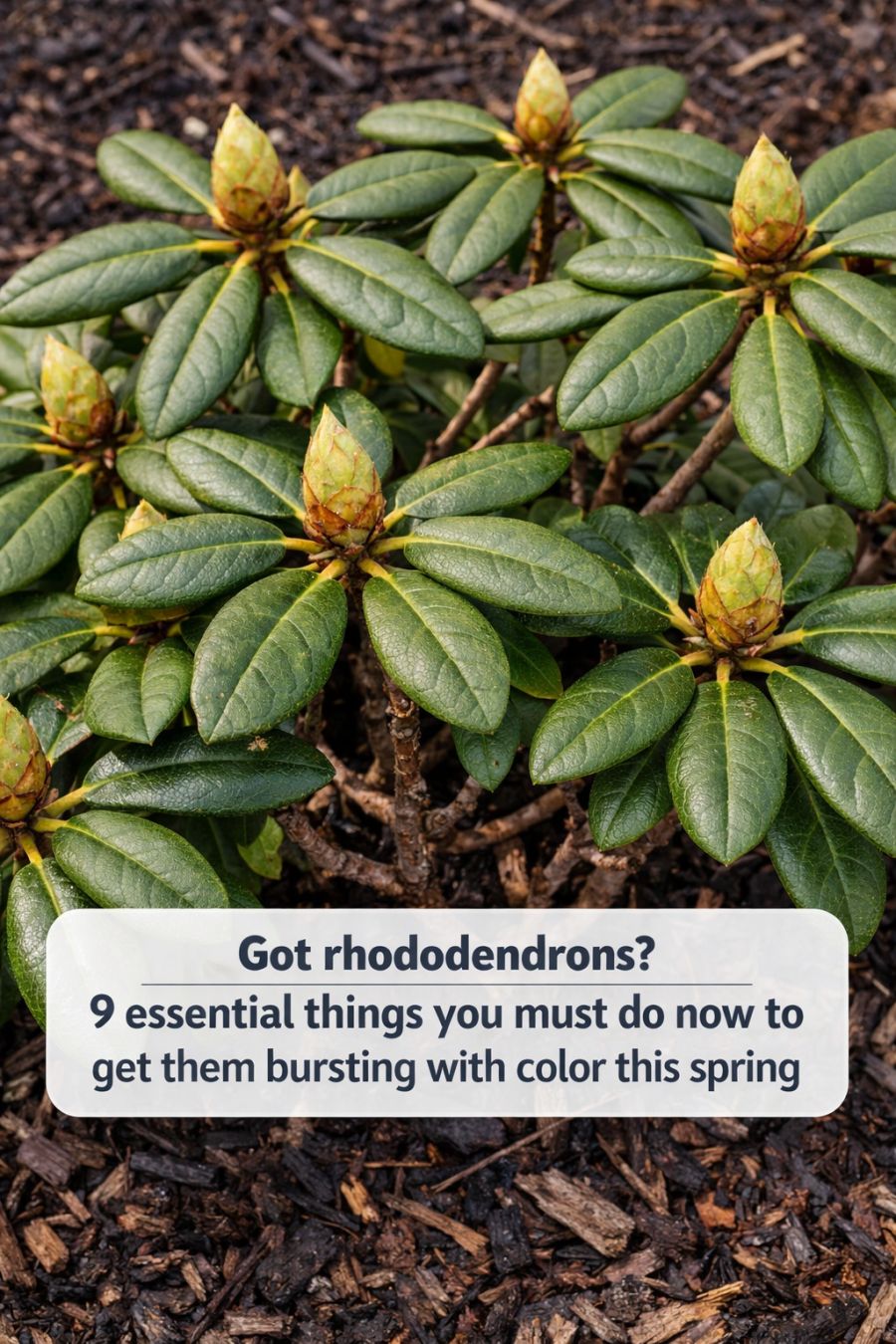
Got rhododendrons? 9 essential things you must do now to get them bursting with color this spring
Pages: 1 2
