
As the days grow longer and the temperatures begin to rise, gardeners everywhere eagerly anticipate the vibrant blooms of summer. Irises, with their bold colors and elegant forms, are a highlight of many gardens. However, improper care and common mistakes made in April can prevent these plants from reaching their full potential come summer. By understanding what can go wrong during this crucial time, you can ensure your iris beds flourish.
April is a pivotal month for iris care, as it sets the stage for the growth and flowering that will follow. From proper planting techniques to pest management, there are several key steps to take—and just as many missteps to avoid. Here are nine common mistakes that can derail your irises’ summer performance.
1. Planting Irises Too Late In April And Stressing Summer Blooms
Timing is everything when it comes to planting irises. Ideally, irises should be planted in the early fall to allow their roots to establish before the onset of winter. Planting them too late in April can stress the plants, as they have less time to settle in before the warmer weather spurs rapid growth. This rushed development can lead to weaker plants that are more susceptible to disease and produce fewer blooms.
If you must plant in April, do so as early as possible. Choose a sunny location with well-drained soil, and plant the rhizomes just below the surface, allowing the tops to remain exposed. This ensures they receive adequate sunlight and air circulation, reducing the risk of rot.
2. Leaving Winter Mulch On Iris Rhizomes As Temperatures Rise
While mulch is beneficial during the winter months to protect iris rhizomes from freezing temperatures, leaving it on as the weather warms can be detrimental. As temperatures rise, mulch can trap excess moisture around the rhizomes, leading to rot and fungal diseases.
In early April, carefully remove the winter mulch layer from your iris beds. This allows the sun to warm the soil and dries out any excess moisture, creating a healthier environment for the irises to begin their growth cycle. Be gentle to avoid damaging the rhizomes during this process.
3. Overwatering April Beds And Inviting Rot Before Summer
Irises are drought-tolerant plants that thrive in well-drained soil. Overwatering in April can saturate the soil, leading to rot and fungal diseases that can quickly decimate your iris beds. It’s important to strike a balance between providing enough moisture for growth without drowning the plants.
Monitor the rainfall and adjust your watering schedule accordingly. Ensure that your iris beds have proper drainage, and water deeply but infrequently, allowing the top layer of soil to dry out between waterings. This encourages deep root growth and reduces the risk of rot.
4. Ignoring Crowded Clumps Instead Of Dividing And Replanting
As irises grow, they naturally form large clumps that can become overcrowded. This competition for resources can lead to fewer blooms and increased susceptibility to disease. April is an ideal time to divide and replant iris clumps to ensure healthy growth.
Carefully dig up the clumps and separate the rhizomes, discarding any that appear diseased or damaged. Replant the healthy rhizomes about 12 to 18 inches apart, giving them enough room to spread and thrive. This process not only rejuvenates the plants but also encourages more prolific blooming in the summer.
5. Using High-Nitrogen Fertilizer That Fuels Leaves, Not Flowers
Feeding irises with the wrong type of fertilizer can lead to lush foliage at the expense of flowers. High-nitrogen fertilizers promote leaf growth, which can be detrimental to flower production. Instead, use a balanced fertilizer with low nitrogen content to encourage blooming.
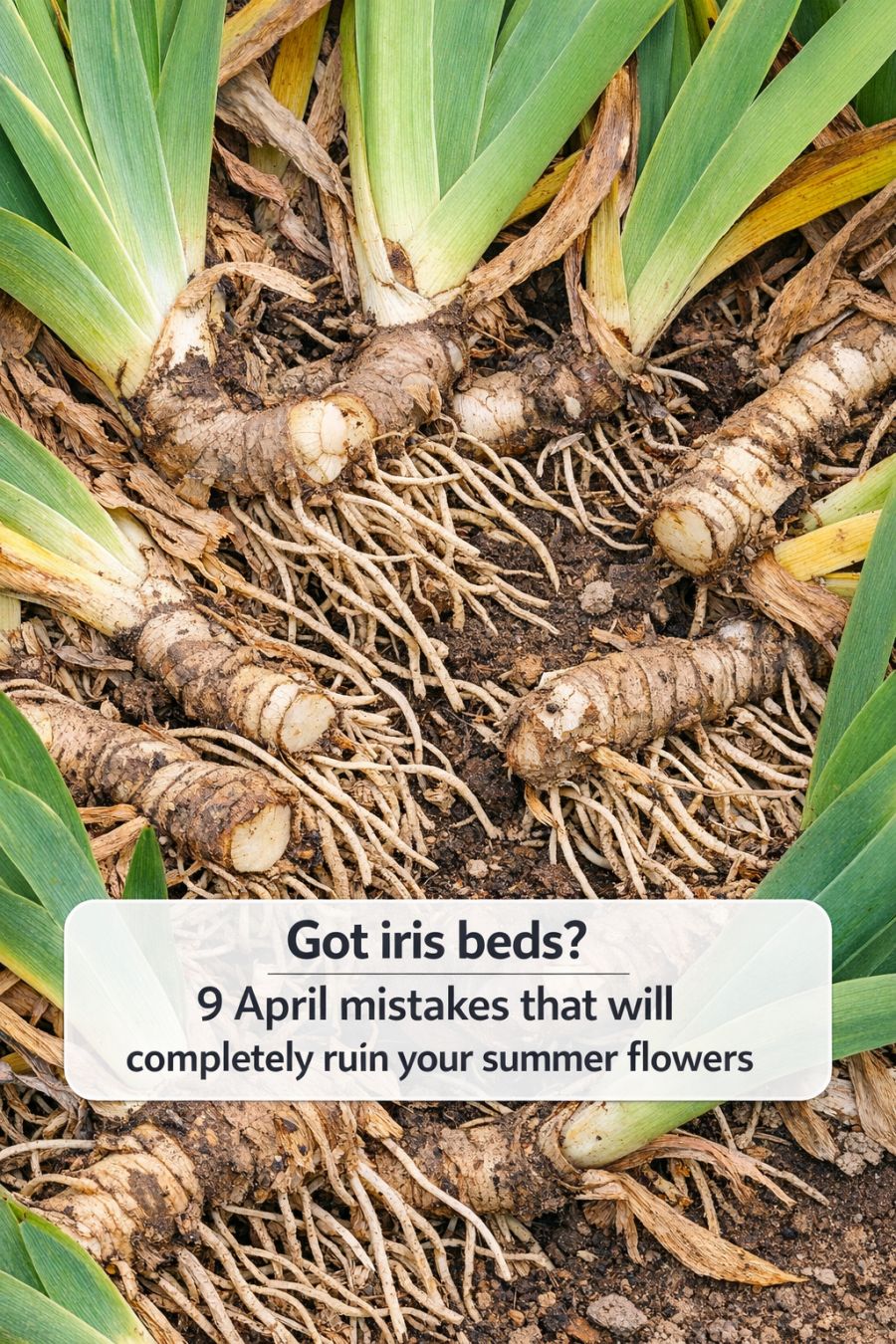
Got iris beds? 9 April mistakes that will completely ruin your summer flowers
Pages: 1 2
