
Apply the fertilizer in early spring, just as the irises begin to grow. A ratio such as 5-10-10 or 10-10-10 is ideal, providing the necessary nutrients without overwhelming the plants with nitrogen. Follow the manufacturer’s instructions for application rates to avoid over-fertilization.
6. Letting Weeds Take Over Iris Beds During Spring Growth
Weeds compete with irises for sunlight, water, and nutrients, often outpacing them in growth during the spring. Allowing weeds to take over your iris beds can significantly impact the health and blooming potential of your plants.
Regularly inspect your iris beds for weeds and remove them promptly. Hand-pulling is effective, ensuring you remove the roots to prevent regrowth. Consider applying a layer of mulch around the irises after the winter mulch is removed to suppress weed growth while retaining soil moisture.
7. Disturbing Rhizomes With Heavy April Cleanup And Cultivation
While it’s important to prepare your garden beds for the growing season, overzealous cleanup and cultivation can damage iris rhizomes. Heavy raking or tilling can disturb the rhizomes, leading to broken roots and reduced plant vigor.
When cleaning up your iris beds, work carefully around the plants. Use a gentle hand to remove debris and old foliage, and avoid deep cultivation that could disrupt the rhizomes. This careful approach helps maintain the integrity of the root system and supports healthy growth.
8. Skipping Preventive Pest And Disease Checks In Early Spring
Irises are susceptible to a range of pests and diseases, including iris borers and fungal infections. Neglecting to perform preventive checks in early spring can lead to infestations and infections that severely affect your plants later in the season.
Inspect your irises regularly for signs of pests, such as chewed leaves or discolored spots. Remove any affected foliage promptly and consider using an appropriate pesticide or fungicide as needed. Early intervention can prevent small problems from becoming major issues, ensuring your irises remain healthy and vibrant.
9. Choosing The Wrong Companion Plants That Shade Out Irises
Companion planting can enhance the beauty and health of your garden, but selecting the wrong companions for irises can lead to shading and competition. Irises require full sun to thrive, and plants that grow tall and dense can block this essential light.
When choosing companion plants, opt for those with a similar growth habit or those that grow lower to the ground. Consider plants like daylilies or ornamental grasses, which complement irises without overshadowing them. This thoughtful selection ensures that your irises receive the light they need to produce stunning blooms.
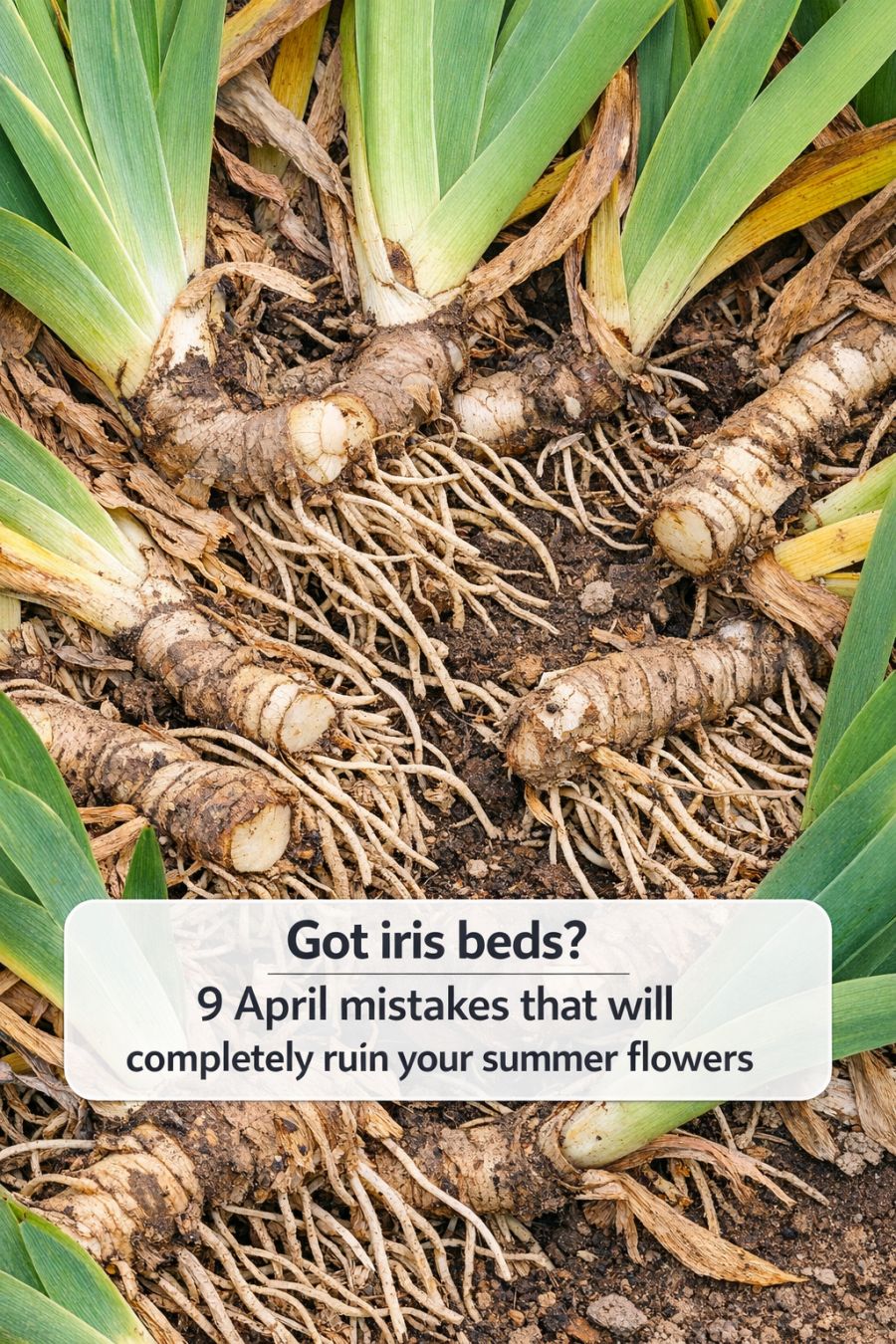
Got iris beds? 9 April mistakes that will completely ruin your summer flowers
Pages: 1 2
