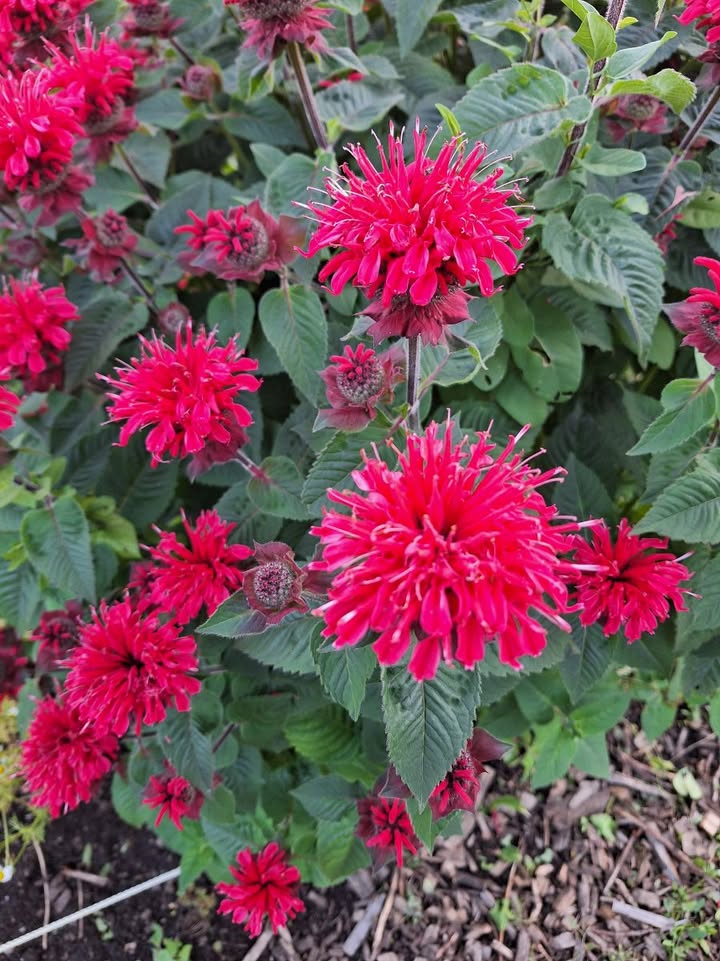
Bee Balm’s Role in Supporting Pollinators
Bee balm is a magnet for pollinators, thanks to its vibrant flowers and abundant nectar. The tubular shape of its blooms is particularly attractive to hummingbirds, while bees and butterflies are drawn to its rich nectar supply. By planting bee balm, gardeners can support declining pollinator populations, which are crucial for the pollination of many food crops and wild plants. This plant’s extended blooming period, from mid-summer to early fall, ensures a continuous food source for pollinators throughout the growing season.
Aesthetic and Practical Advantages of Bee Balm in Gardens
Beyond its ecological benefits, bee balm adds aesthetic and practical value to gardens. Its bright, showy flowers create a stunning visual display, making it a focal point in any garden design. The plant’s aromatic leaves can be used to make herbal teas and potpourris, adding a practical element to its appeal. Bee balm’s ability to attract pollinators also enhances the productivity of nearby fruit and vegetable plants, making it a valuable companion in edible gardens.
How to Cultivate and Care for Bee Balm
Cultivating bee balm is relatively straightforward, making it an excellent choice for both novice and experienced gardeners. Start by selecting a site with full sun to partial shade and well-drained soil. Plant bee balm in the spring or fall, spacing plants about 18 to 24 inches apart to allow for air circulation. Water regularly to keep the soil consistently moist, especially during dry spells. To encourage bushier growth and more blooms, pinch back the tips of young plants. Deadhead spent flowers to prolong the blooming period, and divide the plants every 2 to 3 years to prevent overcrowding and maintain vigor.