Place block of cream cheese over frozen corn, together with these 3 ingredients, into slow cooker for a rich side dish that’s always a yes in my hou
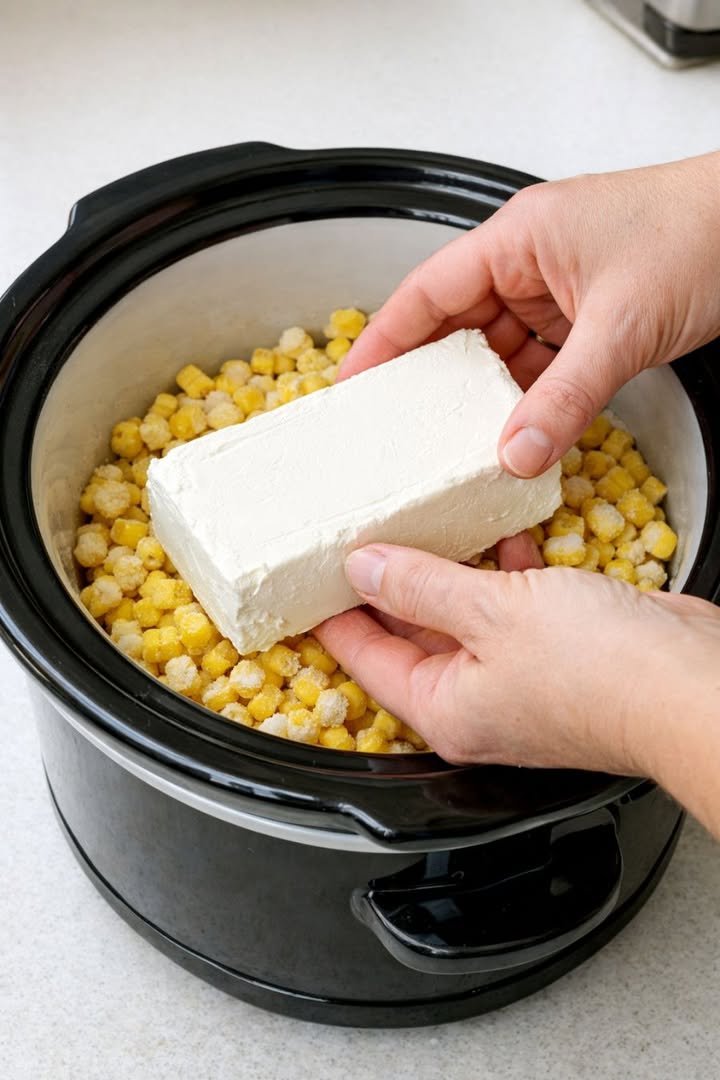
This slow cooker 5-ingredient Amish-style creamed corn is one of those dump-and-go recipes that makes busy weeknights and holiday dinners feel so much easier. You literally place a block of cream cheese over a bed of frozen corn, add just three more simple ingredients, and let the slow cooker do all the work. The result … Read more
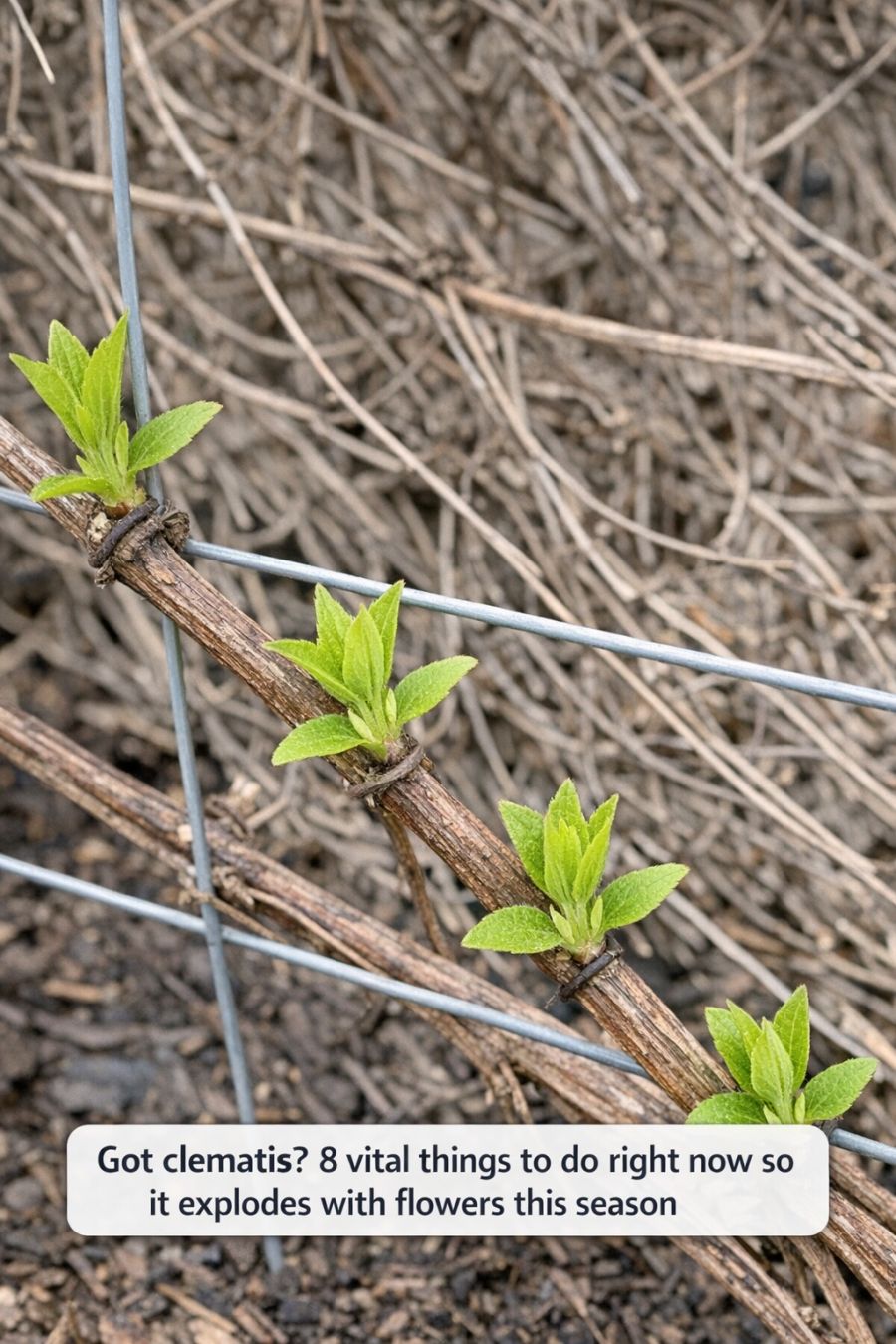
Clematis, often referred to as the ‘queen of the climbers,’ is a stunning addition to any garden with its diverse range of colors and forms. These versatile plants can bloom profusely, transforming fences, trellises, and pergolas into spectacular floral displays. However, to achieve this breathtaking show, clematis requires some specific care and attention, particularly as the growing season approaches. Whether you’re a seasoned gardener or a budding enthusiast, knowing what to do and when to do it can make a significant difference in the health and flowering potential of your clematis. In this article, we’ll cover eight vital tasks that will help ensure your clematis explodes with flowers this season, creating a vibrant spectacle that will be the envy of the neighborhood. 1. Start With a Hard Prune to Spark Fresh Flowering Growth Early spring is the ideal time to prune your clematis, especially for late-flowering varieties. Cut back all stems to about 12 to 18 inches from the ground. This hard pruning encourages the plant to send out new shoots, which will bear the season’s blooms. Use sharp, clean pruning shears to make clean cuts just above healthy buds. For early-flowering varieties, a lighter prune post-bloom may be more appropriate to maintain shape and encourage a second flowering flush. Pruning is crucial as it removes the old wood, preventing disease and encouraging vigorous growth. Remember to identify your clematis type (group 1, 2, or 3) to apply the correct pruning technique, as this varies depending on whether your plant flowers on old or new wood. 2. Feed Heavily With the Right Fertilizer at the Right Time Clematis are heavy feeders and benefit from a balanced fertilizer applied in early spring as the new growth begins. Use a slow-release granular fertilizer with an NPK ratio of 10-10-10 or 5-10-10 for a phosphorus boost, which promotes flowering. Apply about ½ cup per plant, working it gently into the soil around the base, being careful not to disturb the roots. After the initial feeding, continue to fertilize monthly during the growing season with a liquid fertilizer, such as a diluted fish emulsion or seaweed extract. This regular feeding schedule provides the nutrients necessary for producing an abundance of blooms. 3. Water Deeply and Consistently So Buds Don’t Abort Clematis requires consistent moisture, especially during dry spells. Water deeply once or twice a week, providing about 1 inch of water per session. This encourages deep root growth and helps support the plant’s heavy flowering. Mulching can assist in retaining soil moisture and preventing evaporation, but ensure the mulch does not touch the stems to avoid rot. A well-watered clematis is less likely to suffer from bud drop, ensuring that your plant can sustain its blooms throughout the season. 4. Train and Tie In New Vines for Maximum Flower Coverage As your clematis vines grow, guide them to cover your structure evenly by gently tying them with soft garden ties or twine. Check for new growth regularly and direct it towards empty spaces on your trellis or arbor. Training your vines not only maximizes flower coverage but also prevents tangling and damage to the plant. Regularly assess the plant’s growth and make adjustments as necessary to maintain an aesthetically pleasing display. 5. Give Your Clematis the Perfect Sun–Shade Balance Clematis thrives in locations where it can receive at least 6 hours of sunlight per day. However, the roots prefer cooler conditions, so it’s beneficial to provide shade at the base of the plant. This can be accomplished by planting low-growing ground covers or placing decorative stones around the base. Finding the right balance of sun and shade ensures that the leaves can photosynthesize efficiently while the roots remain cool and moist, promoting healthy top growth and abundant flowering. 6. Mulch and Cool the Roots to Supercharge Top Growth Mulching around the base of your clematis helps maintain soil moisture and temperature, crucial for vigorous growth and flowering. Apply a 2-3 inch layer of organic mulch, such as shredded bark or compost, around the base of the plant, ensuring it does not touch the stems to avoid rot. This insulating layer supports the plant’s ability to sustain a healthy root system, which is vital for the development of robust and floriferous top growth. 7. Deadhead and Lightly Trim to Keep Blooms Coming After the first flush of flowers, deadheading spent blooms can encourage a second round of flowering. Use sharp scissors to cut just above a pair of healthy leaves or buds. If your clematis is a repeat-bloomer, light trimming of the vines after the first flowering can stimulate further growth and blooming. This practice not only extends the flowering season but also keeps the plant tidy and encourages a bushier appearance. 8. Stop Pests and Diseases Before They Ruin the Show Keep an eye out for common clematis pests like aphids and slugs, which can damage new growth. Regularly inspect your plant and, if necessary, use insecticidal soap or slug pellets to manage infestations. Diseases such as clematis wilt can also affect your plant. Ensure good air circulation by spacing plants appropriately and avoiding overhead watering to minimize fungal infections. If you notice any signs of disease, promptly remove affected parts to prevent spread and consider applying a fungicide if needed.

Clematis, often referred to as the ‘queen of the climbers,’ is a stunning addition to any garden with its diverse range of colors and forms. These versatile plants can bloom profusely, transforming fences, trellises, and pergolas into spectacular floral displays. However, to achieve this breathtaking show, clematis requires some specific care and attention, particularly as … Read more

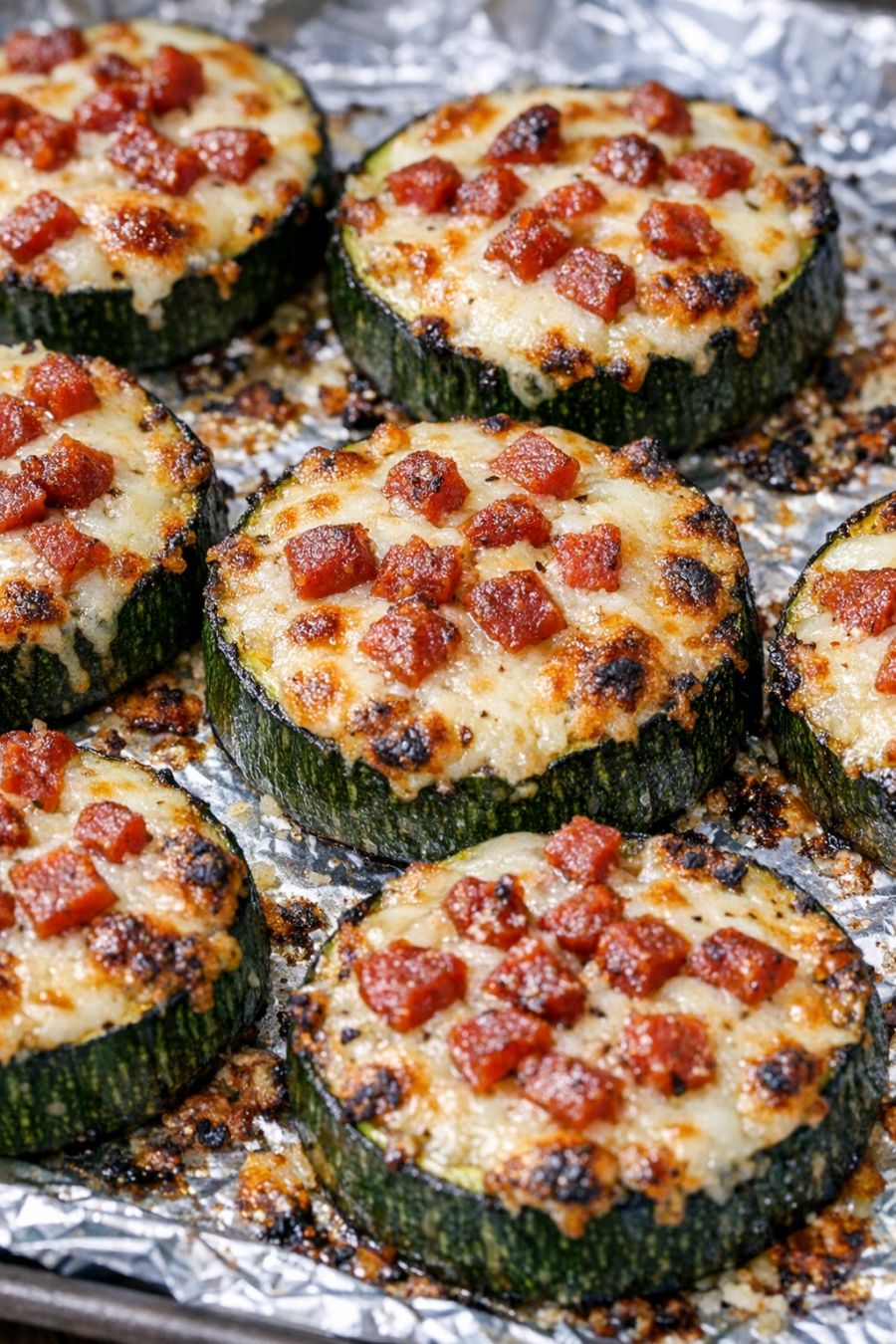
The neighbor kids loved these so much they forgot they were eating veggies. Only 4 ingredients for a cheesy, bubbly comfort snack.

These low carb 4-ingredient zucchini bakes were born out of one of those frantic after-school afternoons when the neighbor kids tumbled into my kitchen looking for a snack. I had a couple of zucchini, some shredded mozzarella, and a handful of pepperoni, so I crossed my fingers and threw them under the broiler. They came … Read more

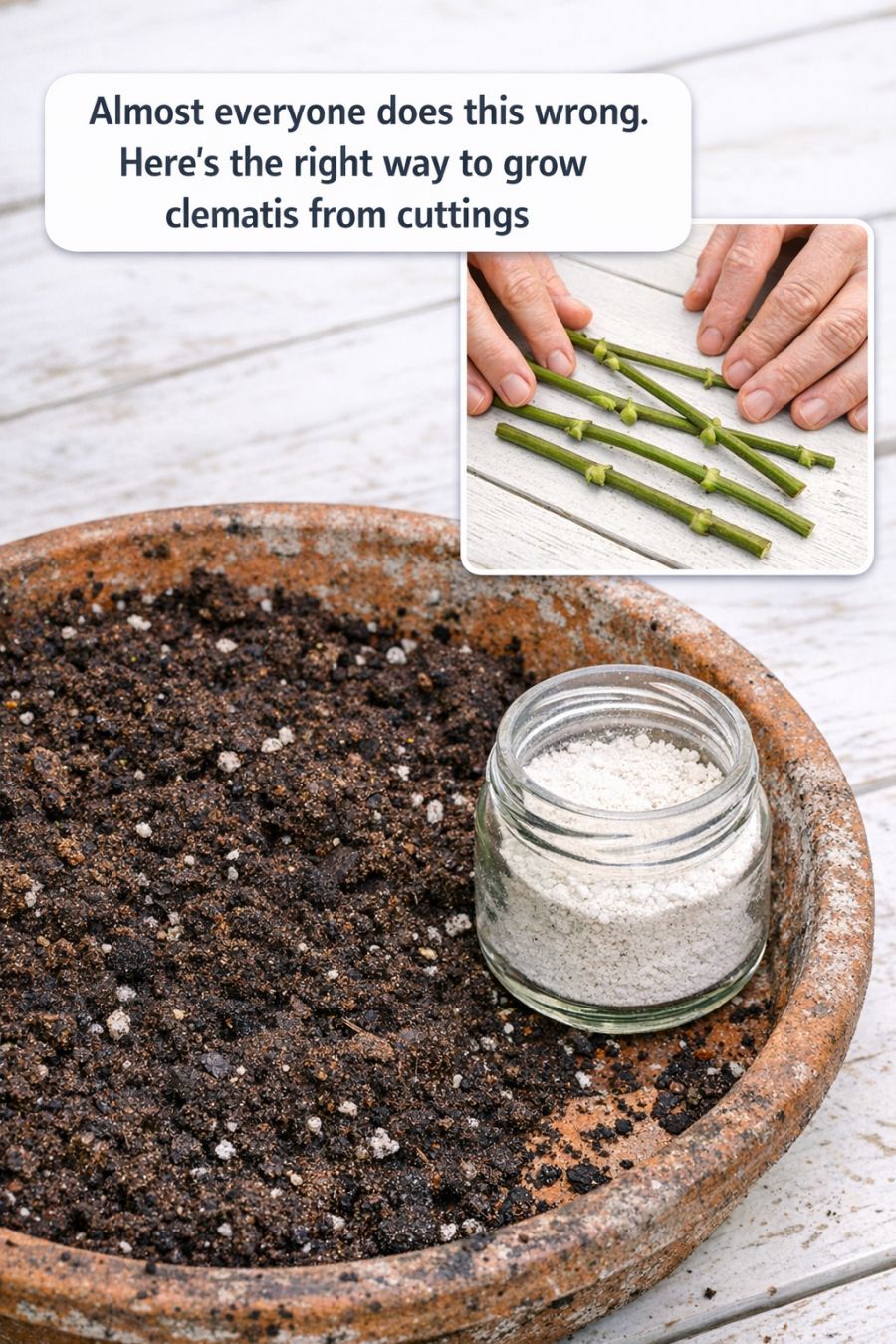
Almost everyone does this wrong. Here’s the right way to grow clematis from cuttings

Clematis is a beloved flowering vine, known for its stunning blooms and ability to transform any garden space into a vibrant display. However, despite its popularity, many gardeners struggle to propagate clematis successfully from cuttings. This process, while seemingly straightforward, can be fraught with challenges if not done correctly. Understanding the nuances of taking and … Read more

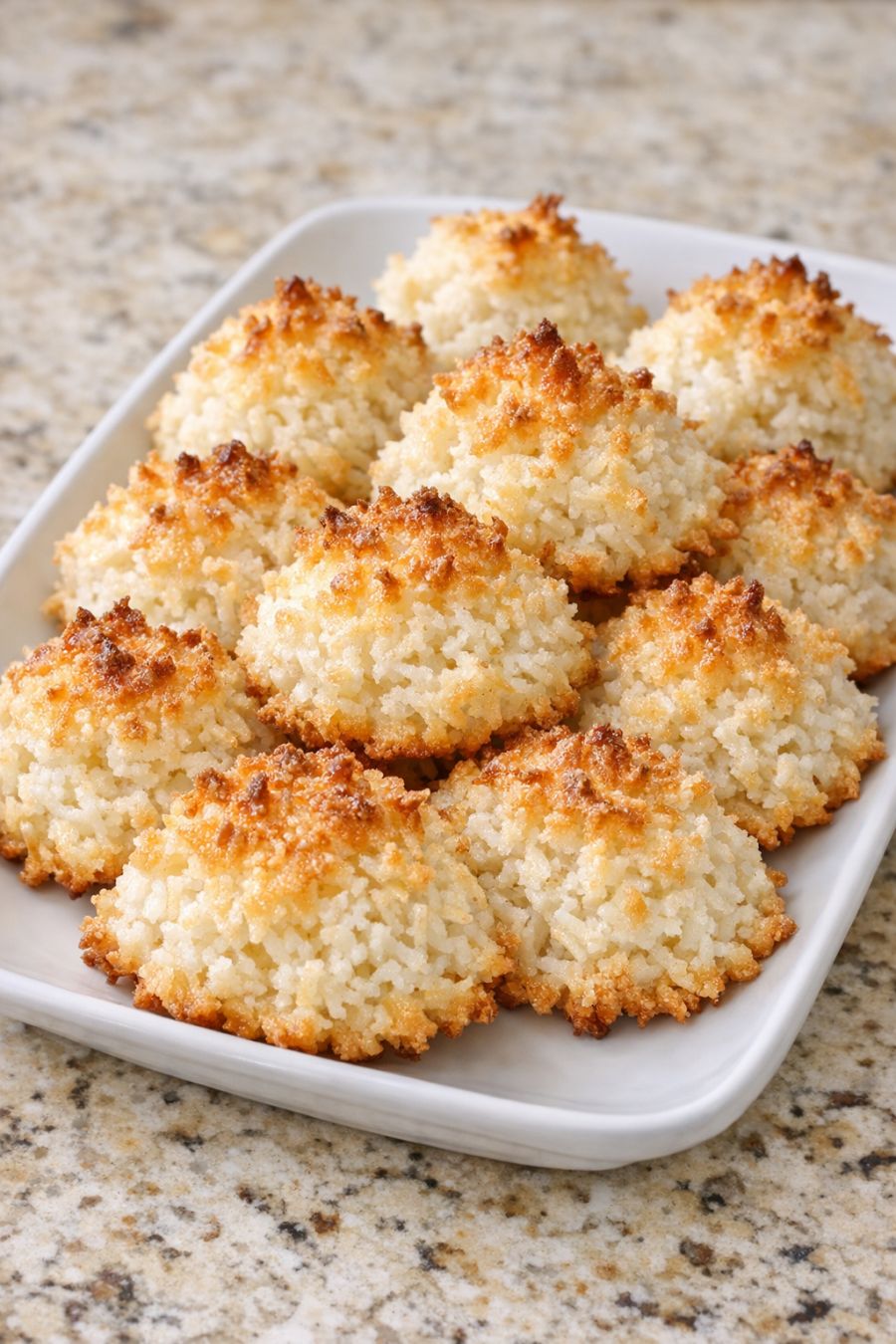
Nana calls these “little haystacks” and insists they’re the easiest way to make the dessert table look fancy fast.

These coconut macaroons are my Nana’s idea of instant elegance: she calls them “little haystacks” because of their craggy, toasty peaks, and she’s right that they make any dessert table look fancy with almost no effort. This version leans on pantry staples—shredded coconut, sweetened condensed milk, whipped egg whites, and vanilla—to create a chewy, caramelized … Read more