
When handling a moth pupa, it’s best to use gloves or scoop it up with a small tool to avoid causing damage. If the pupa is in a location that will be disturbed, such as a construction or planting site, gently relocate it to a safer spot. If the pupa appears damaged or non-viable, it’s best to dispose of it in an eco-friendly manner, such as composting. However, remember that most pupae are harmless and beneficial to the ecosystem.
9. The Hidden Role of Moth Pupae in Your Garden’s Ecosystem
Moth pupae play a vital role in the garden ecosystem. As they develop into moths, they become important pollinators for many plants. Additionally, moths serve as a food source for birds, bats, and other wildlife. By allowing moth pupae to develop undisturbed, you’re supporting the biodiversity and health of your garden’s ecosystem.
10. When to Worry: Signs It’s Something Else (And Potentially Harmful)
While moth pupae are harmless, some soil-dwelling creatures can pose a threat to your garden. If you find something that differs significantly in color, size, or behavior from a typical moth pupa, it could be a pest such as a cutworm or wireworm. These pests can damage plant roots and stems. If you suspect a pest infestation, consider consulting a local extension service or pest control expert for identification and management strategies.
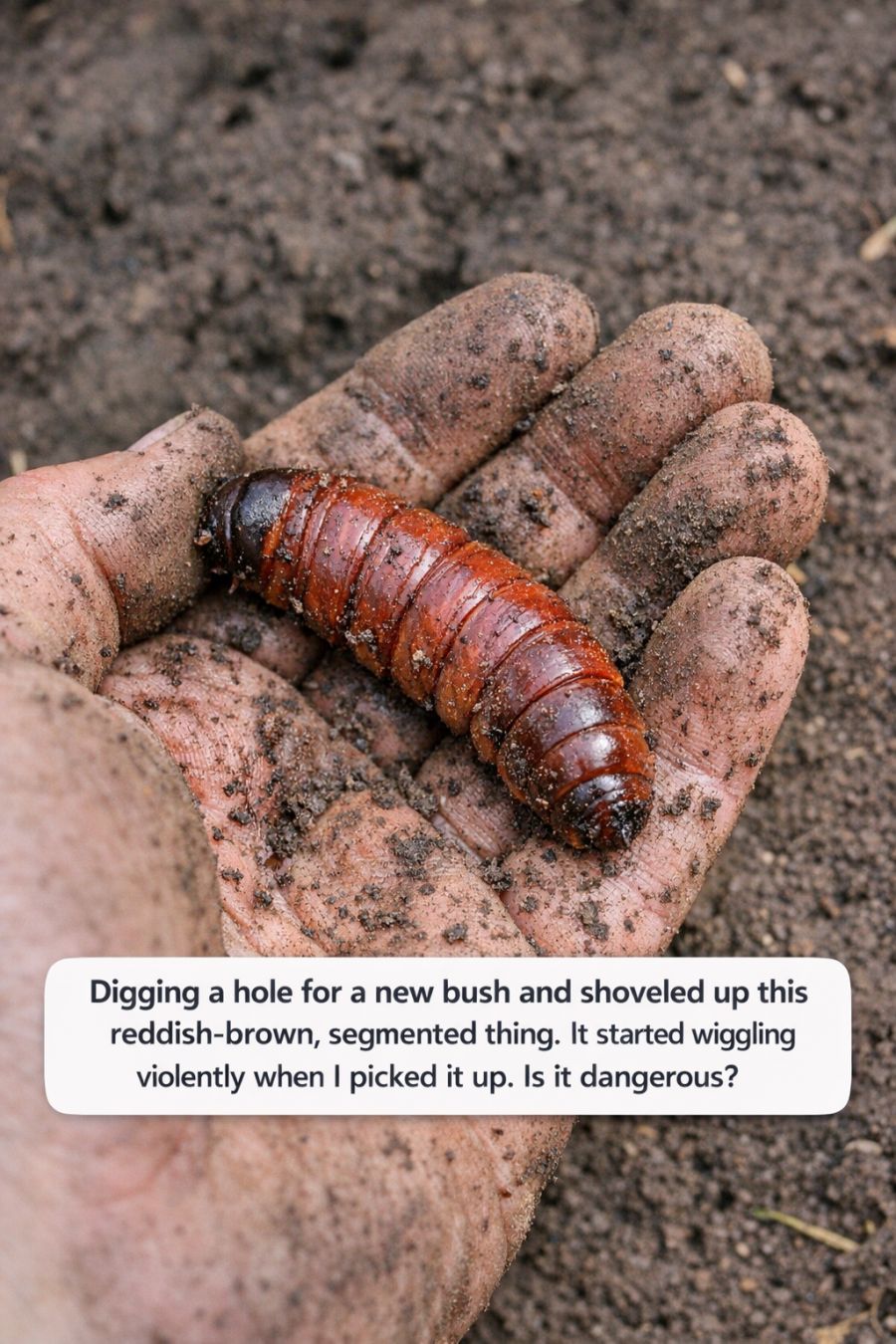
Digging a hole for a new bush and shoveled up this reddish-brown, segmented thing. It started wiggling violently when I picked it up. Is it dangerous?
Pages: 1 2
