
Use sharp scissors or garden shears to cut the outer leaves about an inch above the base of the plant. Avoid cutting more than one-third of the plant at a time to ensure it has enough foliage to continue photosynthesis and regrow. Regular harvesting every one to two weeks will keep the plants productive.
9. Troubleshoot Pests, Diseases, and Weather Extremes
Spinach is susceptible to pests like aphids and leaf miners, as well as fungal diseases such as downy mildew. Regularly inspect your plants and use organic pest control methods like neem oil or insecticidal soap to manage infestations.
Weather extremes, particularly excessive heat or cold, can also impact spinach growth. Use row covers to protect plants from frost and consider planting heat-tolerant varieties if you experience hot summers. Good garden hygiene, such as cleaning up plant debris and rotating crops, can help minimize disease risks.
10. Extend the Season With Containers, Cold Frames, and Indoors
To extend your spinach growing season, consider using containers, cold frames, or indoor planting. Containers allow you to move plants to more favorable conditions if the weather becomes too hot or cold. Choose pots that are at least 6-8 inches deep and provide good drainage.
Cold frames can protect spinach from frost and extend the growing season into late fall or early spring. If growing indoors, use grow lights to provide adequate light and maintain a cool temperature to mimic outdoor conditions. These methods allow you to have fresh spinach even when outdoor conditions are not ideal.
11. Store, Use, and Replant Spinach for a Truly Endless Supply
Once harvested, spinach can be stored in the refrigerator for up to a week. To preserve its freshness, rinse the leaves, dry them thoroughly, and store them in a perforated plastic bag or airtight container.
For longer storage, consider blanching and freezing spinach. Blanching involves briefly boiling the leaves and then plunging them into ice water before freezing. This method preserves the nutritional quality and texture of the spinach.
To truly have an endless supply, save seeds from your spinach plants. Allow a few plants to bolt and collect the seeds once they dry. Store them in a cool, dry place, and replant the following season. This not only saves money but ensures you have a continuous cycle of spinach growth.
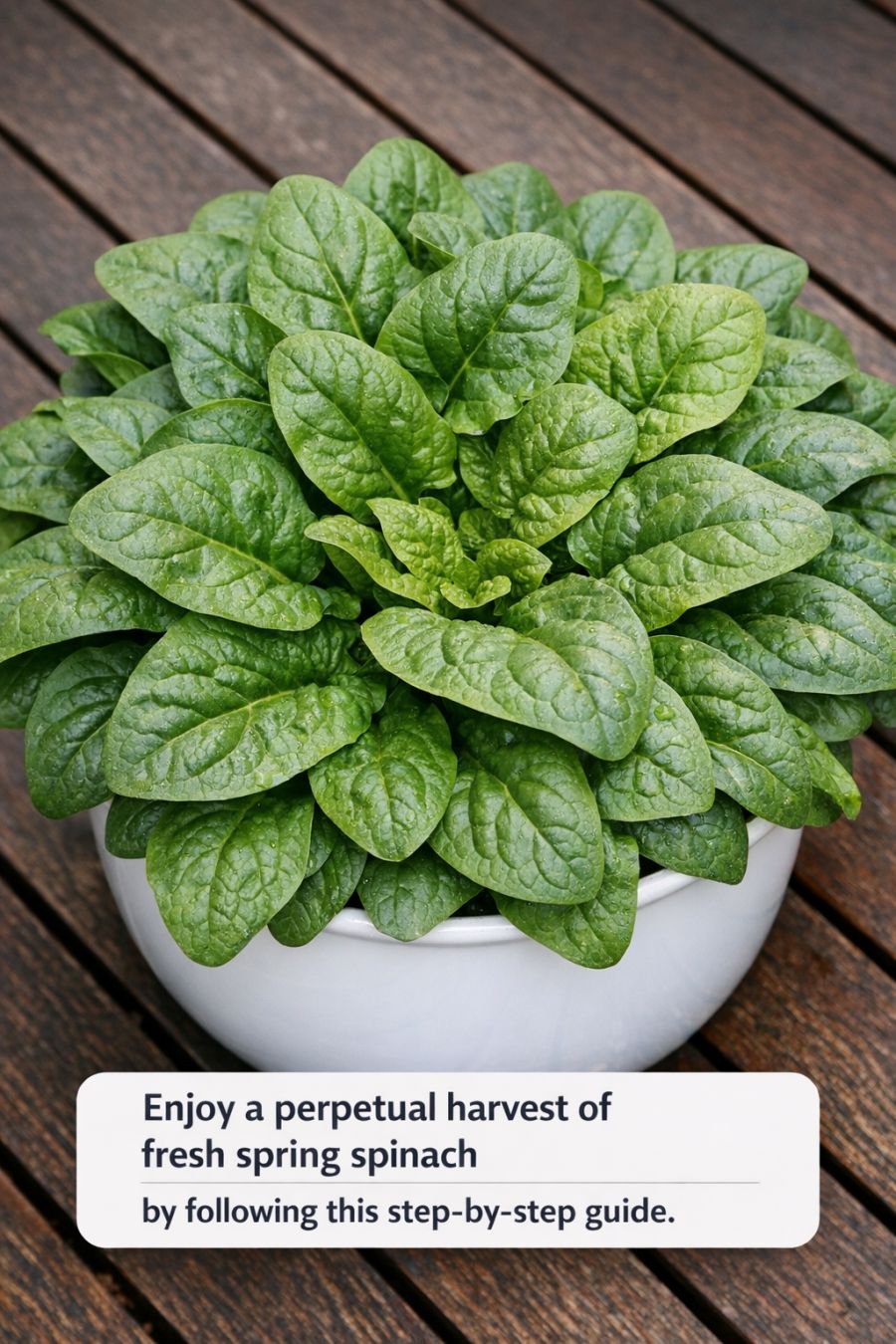
Enjoy a perpetual harvest of fresh spring spinach by following this step-by-step guide
Pages: 1 2
