
7. Inspect for Pests: Tiny Insects That Turn Pepper Leaves Pale
Certain pests, such as aphids, spider mites, and whiteflies, can cause leaves to turn pale by sucking the sap from the plant. These insects are often found on the undersides of leaves and can be identified by tiny holes, sticky residue, or webbing.
Use a magnifying glass to inspect the leaves closely. If pests are detected, consider using insecticidal soap or neem oil to treat the infestation. Regularly cleaning the leaves with water can also help remove pests and prevent them from returning.
8. Spotting Diseases: When Yellowing Signals Something Serious
Diseases such as bacterial leaf spot or fusarium wilt can cause yellowing and wilting in pepper plants. These diseases often present with additional symptoms, such as spots, wilting, or stunted growth.
If you suspect a disease, remove and destroy affected leaves to prevent the spread. Improve air circulation around the plants by spacing them adequately and avoid overhead watering to reduce the risk of fungal infections. In severe cases, consider consulting with a local extension service for specific treatment recommendations.
9. Emergency Rescue Steps to Take in the Next 24 Hours
Once you’ve identified potential causes, it’s time to take action. Begin with immediate adjustments to watering and sunlight exposure, as these are the most easily modifiable factors. If pests are present, apply a suitable treatment promptly.
For nutrient deficiencies, a liquid fertilizer can provide a quick solution. Reassess the plants after 24 hours to evaluate the effectiveness of the interventions. Taking these steps quickly can prevent further damage and set the stage for recovery.
10. How to Monitor Recovery and Decide What to Prune
After implementing corrective measures, monitor your plants closely for signs of improvement. New growth should appear vibrant and green, indicating that the plants are recovering. Yellow leaves that do not improve within a few days may need to be pruned to encourage healthy new growth.
Prune strategically by removing only the affected leaves, taking care not to over-prune, as this can stress the plant further. Regular monitoring will help you track progress and adjust care practices as needed.
11. Simple Preventive Habits to Keep Pepper Plants Green and Healthy
Prevention is the best cure, and establishing a consistent care routine can keep your pepper plants healthy. Ensure that they are planted in well-draining soil and receive adequate sunlight and nutrients. Water them consistently, allowing the soil to dry out slightly between sessions.
Regularly inspect the plants for signs of pests or disease and address issues promptly. Additionally, rotating crops and practicing good garden hygiene can reduce the risk of recurring problems. With these habits, you can enjoy thriving pepper plants and the satisfaction of successful gardening.
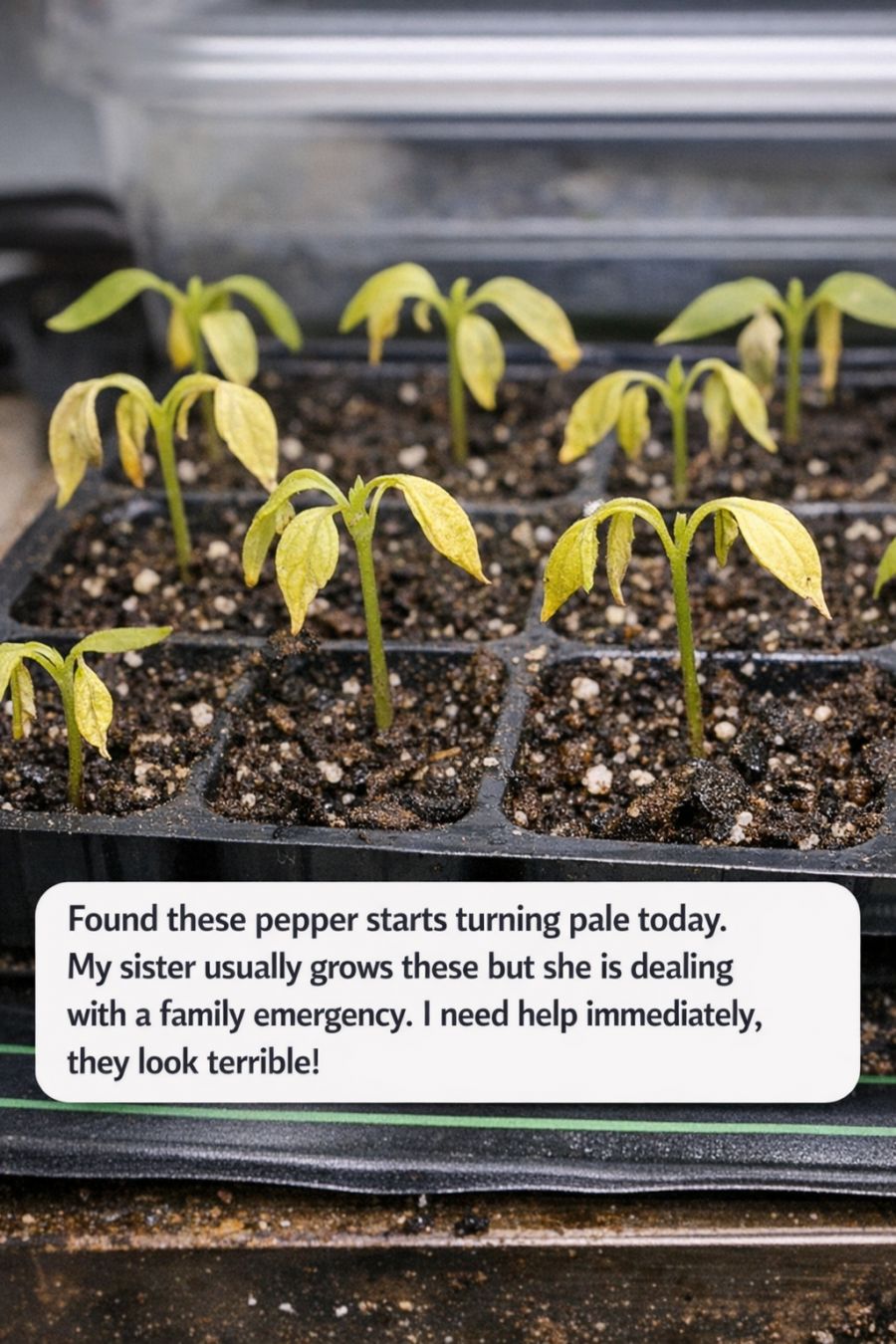
Found these pepper starts turning pale today. My sister usually grows these but she is dealing with a family emergency. I need help immediately, they look terrible!
Pages: 1 2
