
Coreopsis, a perennial favorite in gardens, is celebrated for its vibrant yellow blooms that light up any landscape. Known for its resilience and ability to thrive in various conditions, coreopsis is a gardener’s delight, especially during the summer months when its bright flowers bring endless charm. However, to ensure that these cheerful plants deliver nonstop blooms all summer long, a bit of attention in the spring is crucial.
Spring care for coreopsis involves a combination of cleaning, feeding, watering, and strategic maintenance. From dividing overgrown clumps to mastering the art of deadheading, these tasks are essential to boost the plant’s health and flowering potential. With the right care, your coreopsis can transform your garden into a sea of gold all summer long. Here are ten mandatory tips to get you started.
1. Start With a Spring Cleanup to Wake Up Coreopsis Clumps
As spring arrives, it’s time to clear away winter’s debris and prepare your coreopsis for the growing season. Begin by removing any dead foliage or stems from the previous year, using clean, sharp pruners to prevent disease spread. Cut back the old growth to about 2-3 inches above the ground to encourage new shoots to emerge.
Rake away leaves and other debris from around the base of the plants to ensure good air circulation and reduce the risk of fungal diseases. This cleanup not only tidies up your garden but also allows sunlight and warmth to reach the soil, which helps wake up the dormant clumps.
2. Divide and Replant Overgrown Coreopsis for Stronger Summer Blooming
Coreopsis plants benefit from division every 2-3 years to maintain their vigor and blooming capacity. In early spring, once the soil is workable, carefully dig up any overgrown clumps using a garden fork or spade. Divide the clump into smaller sections, ensuring each division has a healthy set of roots and shoots.
Replant the divisions in well-drained soil, spacing them about 12-18 inches apart to allow room for growth. Water the newly planted divisions thoroughly to help them settle in. Dividing not only rejuvenates the plant but also gives you more plants to spread around your garden or share with friends.
3. Feed Lightly in Spring to Fuel Flowers, Not Floppy Foliage
Coreopsis does not require heavy feeding, which can lead to excessive foliage growth at the expense of blooms. In spring, apply a balanced, slow-release fertilizer, such as a 10-10-10 formula, at half the recommended rate. Scatter the fertilizer evenly around the base of the plants and lightly scratch it into the soil.
This light feeding provides essential nutrients without promoting weak, leggy growth. Avoid high-nitrogen fertilizers, as they can cause floppy foliage and reduced flowering. The goal is to support robust flowering while maintaining a compact and tidy plant habit.
4. Master Spring Watering So Coreopsis Roots Go Deep and Tough
Proper watering is crucial for establishing a strong root system in coreopsis. In spring, water newly planted or divided coreopsis deeply but infrequently to encourage deep root growth. Aim to provide about 1 inch of water per week, either from rainfall or supplemental irrigation.
Use a soaker hose or drip irrigation to deliver water directly to the soil, minimizing leaf wetness and reducing the risk of disease. As the season progresses and the plants become established, they will require less frequent watering, as coreopsis is quite drought-tolerant once rooted deeply.
5. Prune and Pinch Early Growth for Bushier, Bloom-Laden Plants
To promote a bushier growth habit and more blooms, pinch back the tips of new growth when the plants are 6-8 inches tall. Use your fingers or pruning shears to remove the top 1-2 inches of each stem.
This early pruning encourages branching and results in a fuller plant with more flowering stems. While it may delay the initial bloom by a couple of weeks, the payoff is a longer-lasting and more prolific display of flowers throughout the summer.
6. Mulch the Right Way to Lock In Moisture Without Smothering Crowns
Apply a 2-3 inch layer of organic mulch, such as shredded bark or compost, around the base of your coreopsis plants. Mulching helps retain soil moisture, suppress weeds, and regulate soil temperature.
Be careful not to pile mulch directly against the plant crowns, as this can lead to rot. Leave a small gap of about 2 inches around the base of each plant to ensure good air circulation and prevent moisture build-up directly on the stems.
7. Scout for Pests and Diseases Before They Sabotage Summer Color
Regularly inspect your coreopsis plants for signs of pests such as aphids or spider mites, as well as common diseases like powdery mildew. Check the undersides of leaves and along stems for any unusual spots or webs.
If you notice any infestations, treat them promptly using insecticidal soap or neem oil for pests, and remove any affected plant parts to prevent disease spread. Early detection and intervention are key to keeping your plants healthy and blooming profusely.
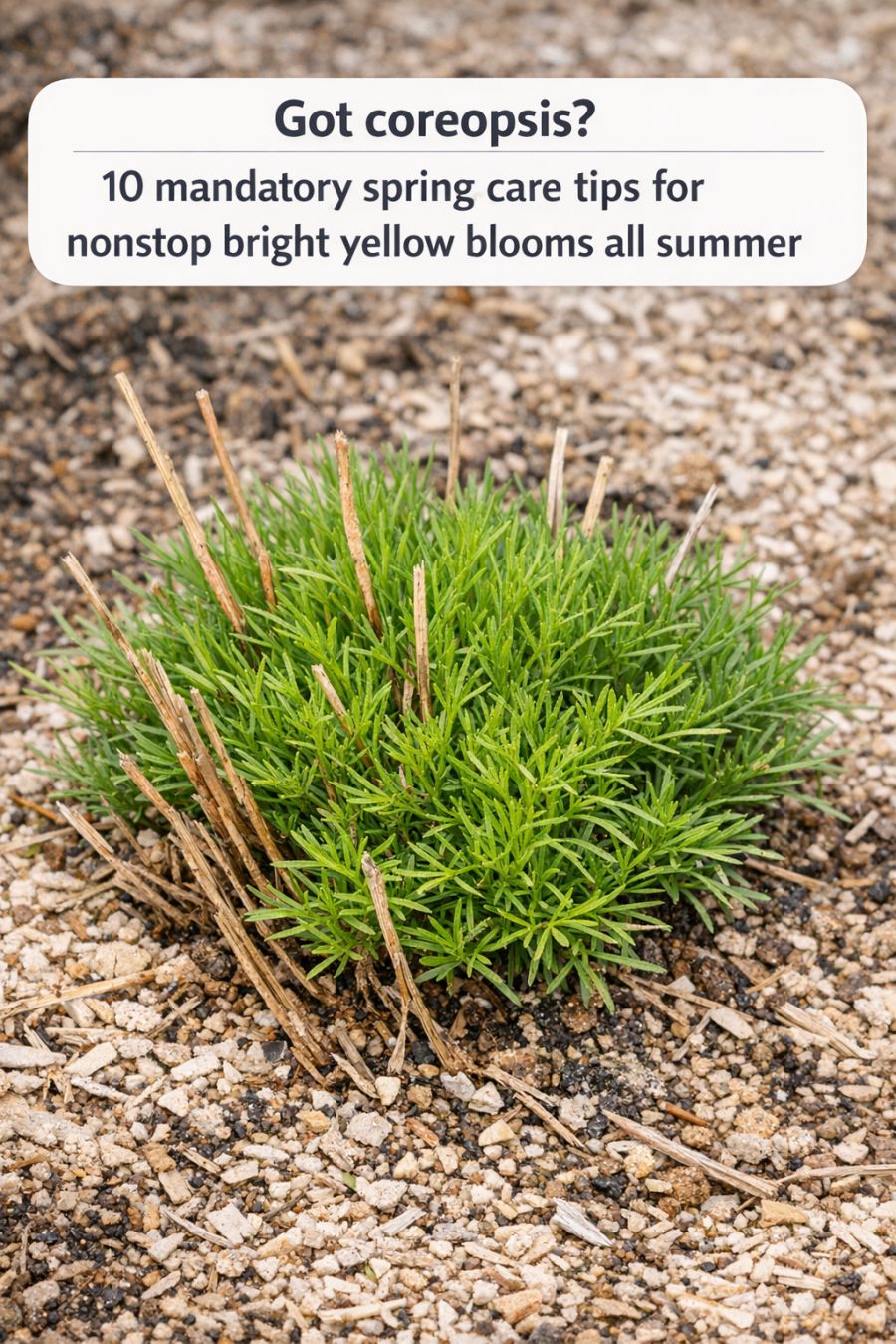
Got coreopsis? 10 mandatory spring care tips for nonstop bright yellow blooms all summer
Pages: 1 2
