
Foxgloves, with their stately flower spikes and enchanting tubular blooms, are the stars of any spring garden. These biennial or perennial plants bring vertical interest and a touch of the wild to cultivated spaces. However, achieving those breathtaking, towering spikes that reach skyward requires more than just planting and hoping for the best.
To cultivate foxgloves that are truly jaw-dropping in height, a gardener must understand the specific needs of these plants. From choosing the right varieties to providing ideal growing conditions, each step in the process contributes to the final majestic display. Whether you’re a seasoned gardener or a beginner, follow these eight essential steps this spring to ensure your foxgloves reach their full potential.
1. Start With the Right Foxglove Varieties for Towering Spikes
Not all foxglove varieties are created equal when it comes to height. Common foxgloves (Digitalis purpurea), such as the ‘Excelsior Hybrid’ or ‘Pam’s Choice’, can soar between 4 to 6 feet tall, making them ideal candidates for dramatic spikes. These varieties are known for their robust nature and impressive vertical growth.
If you’re looking for something even taller, consider Digitalis ferruginea, which can grow up to 5 to 6 feet and features slender, rusty orange spikes. The key is to select varieties that are bred for height and ensure they thrive in your specific climate conditions.
2. Time Your Spring Planting So Plants Hit Their Growth Sweet Spot
Foxgloves thrive when planted at the right time. In most regions, early spring is ideal for sowing seeds or transplanting young plants. The soil temperature should be around 60°F (15°C) to encourage germination and growth. This timing ensures that your foxgloves have ample time to establish themselves before the peak growing season.
In cooler climates, starting seeds indoors 6-8 weeks before the last frost date can give your plants a head start. Once the seedlings have a few true leaves, they can be gradually acclimated to outdoor conditions and planted in the garden once the threat of frost is past.
3. Supercharge Soil With the Drainage and Nutrients Foxgloves Crave
Foxgloves prefer well-draining soil that is rich in organic matter. Before planting, amend your garden bed with compost or well-rotted manure to enhance soil fertility. A soil pH between 6.0 and 7.0 is optimal for nutrient absorption.
To ensure excellent drainage, consider raised beds or incorporate sand into heavy clay soils. Foxgloves do best in slightly acidic to neutral soils, so testing your soil and amending as necessary is crucial. Good drainage prevents root rot, a common issue that can stunt growth and lead to plant failure.
4. Position for Perfect Light and Airflow to Stretch Those Stems
Foxgloves thrive in partial shade to full sun, depending on the climate. In cooler areas, full sun can help maximize their height, while in hotter locations, partial shade can prevent the leaves from scorching. Ensure your foxgloves receive at least 4-6 hours of sunlight per day.
Adequate spacing is also essential to promote airflow, which reduces the risk of fungal diseases. Plant foxgloves approximately 1 to 2 feet apart to allow each plant room to grow and prevent overcrowding, which can hinder their vertical potential.
5. Water the Smart Way to Fuel Height Without Flop
Watering is a balancing act with foxgloves. They need consistent moisture to fuel growth, especially during dry spells, but overwatering can lead to weak stems and disease. Water deeply once or twice per week, depending on rainfall, to encourage deep root growth.
Using mulch around the base of the plants can help retain soil moisture and reduce the need for frequent watering. Be careful not to water the foliage to prevent mildew and other moisture-related issues, especially in humid conditions.
6. Feed Strategically in Spring to Build Strong, Tall Flower Spikes
To support their rapid spring growth, foxgloves benefit from a balanced, slow-release fertilizer applied in early spring. A 10-10-10 NPK ratio works well, providing the necessary nutrients for robust stem and flower development.
Be cautious not to over-fertilize, as this can lead to lush foliage but fewer flower spikes. Supplementing with a liquid seaweed or fish emulsion every few weeks during the growing season can provide additional micronutrients that promote overall plant health and height.
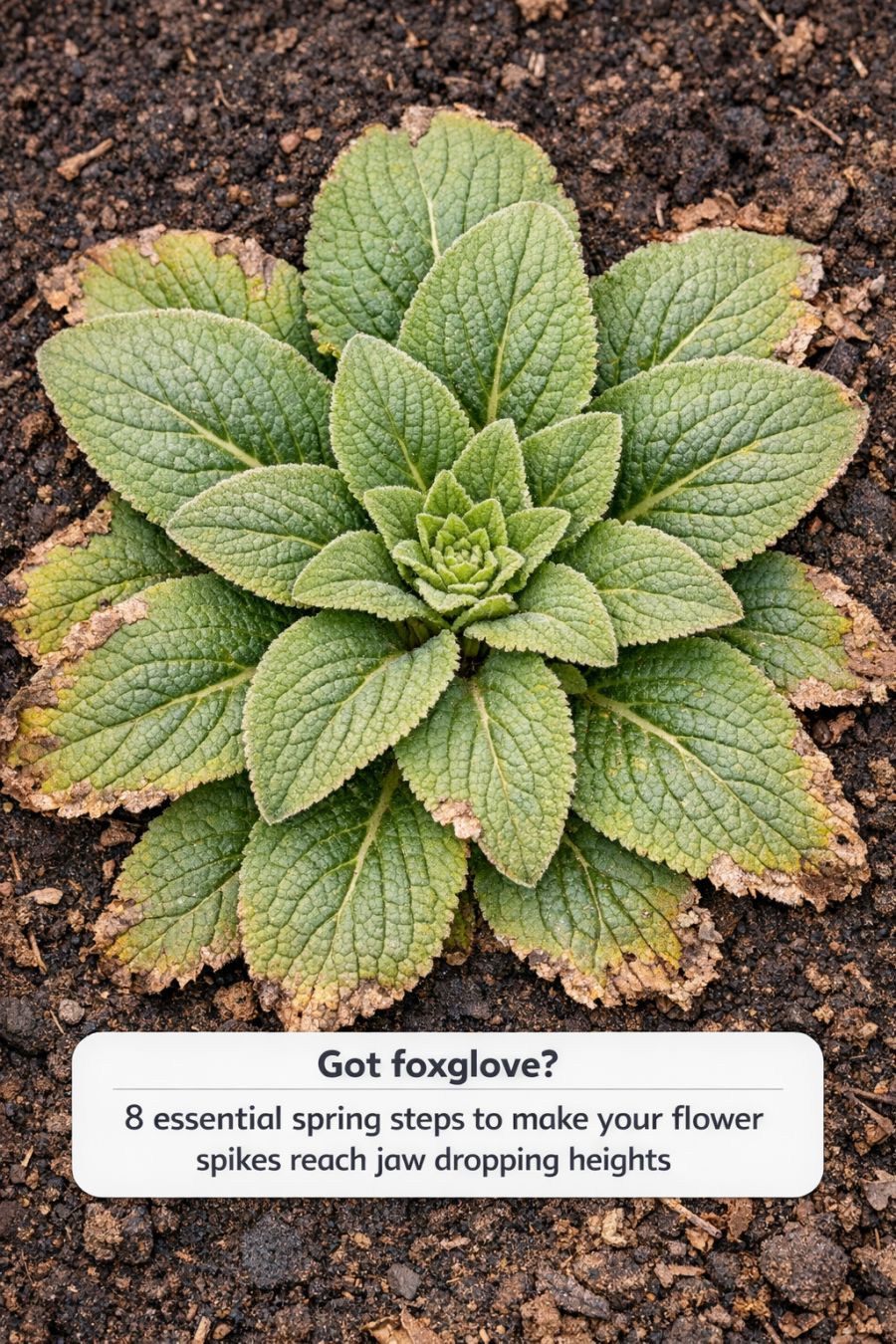
Got foxglove? 8 essential spring steps to make your flower spikes reach jaw dropping heights
Pages: 1 2
