
Before reusing potting soil, sterilize it by baking it in the oven at 180°F for 30 minutes or using a microwave to eliminate any pests. Alternatively, mix it with fresh potting soil to rejuvenate its nutrient content while reducing pest risks.
9. How Humidifiers And Pebble Trays Make Conditions Perfect For Gnats
Humidifiers and pebble trays are often used to increase humidity for tropical plants during the dry winter months. However, these methods can inadvertently create ideal conditions for fungus gnats by keeping the surrounding air and soil consistently moist.
To balance humidity without encouraging gnats, position humidifiers away from plant soil and ensure good air circulation. Regularly check pebble trays to prevent standing water, which can contribute to excessively moist soil conditions.
10. Popular Watering Hacks That Accidentally Encourage Fungus Gnats
Watering hacks, such as bottom watering or self-watering pots, can inadvertently create conditions conducive to fungus gnats by keeping soil too moist. These methods often do not allow for the top layer of soil to dry out, providing an ideal environment for gnat reproduction.
Implementing these techniques with caution and monitoring soil moisture levels can prevent these issues. Allow the top inch of soil to dry out and adjust watering frequency based on the season and plant needs.
11. Viral Soil And Propagation Trends That Spread Gnat Infestations
Trends like propagating plants in water or using unconventional soil amendments can encourage fungus gnat infestations. Water propagation, while popular, keeps roots submerged and can promote algae growth, attracting gnats.
To combat this, maintain cleanliness in propagation vessels and change water regularly. If using unique soil amendments, ensure they are well-draining and do not retain excessive moisture.
12. Why Sticky Traps Work—And What They Reveal About The Real Problem
Sticky traps are an effective way to monitor and reduce adult fungus gnat populations. These traps catch flying adults, preventing them from laying eggs in the soil and providing a visible indication of the infestation level.
While sticky traps help manage the symptoms, they do not address the root cause: overly moist soil. Regularly inspecting traps can help identify when soil moisture management needs adjustment, emphasizing the importance of addressing underlying conditions to fully resolve the issue.
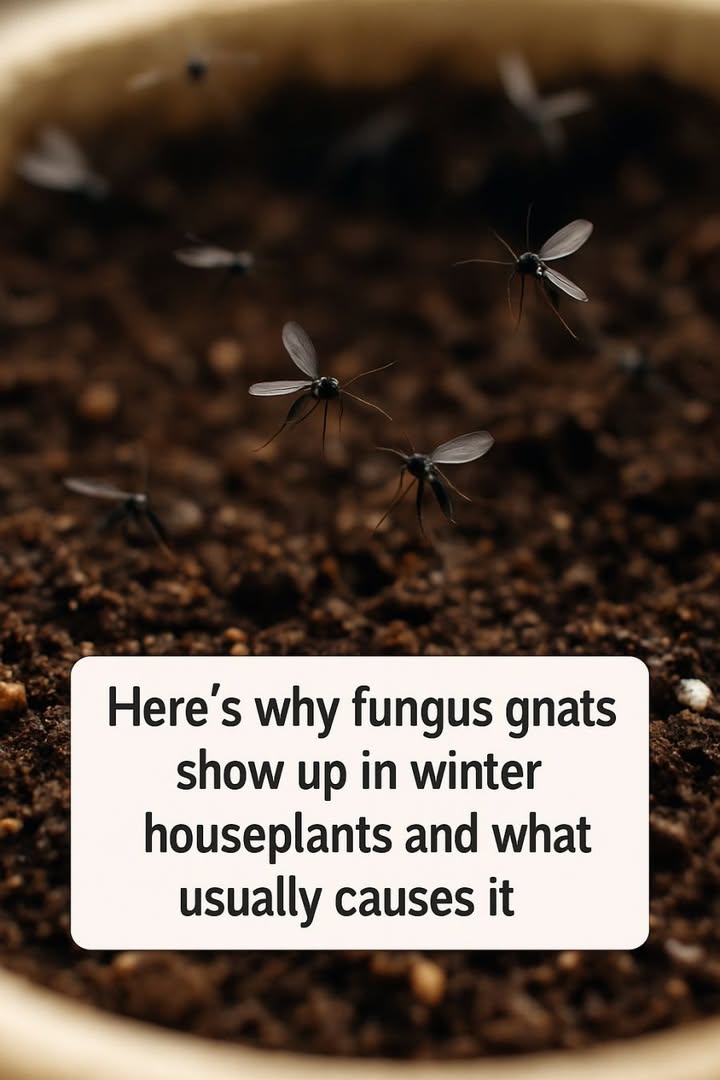
Here’s why fungus gnats show up in winter houseplants and what usually causes it
Pages: 1 2
