
7. How Long It Takes for the Egg to Break Down and Feed Plants
The decomposition time of a raw egg in soil can vary based on several factors, including soil temperature, moisture levels, and microbial activity. On average, it may take anywhere from a few weeks to a couple of months for the egg to fully decompose and release its nutrients.
Warmer soil temperatures and high microbial activity can accelerate the breakdown process, while cooler conditions may slow it down. Gardeners should be patient and trust the process, as the slow release of nutrients is part of the method’s benefit.
8. Avoiding Rot, Smell, and Pests: Common Mistakes to Skip
While the raw egg method can be effective, improper execution can lead to issues such as rot, unpleasant odors, and pest attraction. To avoid these problems, it’s crucial to bury the egg deep enough and ensure it’s completely covered with soil.
It’s also important to monitor soil moisture levels, as overly wet conditions can promote rot and odor. Using a well-draining potting mix can help maintain the right balance. Additionally, gardeners should avoid using this method in areas prone to pest infestations, as the egg’s scent might attract unwanted visitors.
9. When an Egg Hack Works Best—and When It Doesn’t
The raw egg method is particularly effective for container gardening and in soils that are naturally low in organic matter. It’s a suitable choice for gardeners seeking an organic, low-cost alternative to commercial fertilizers.
However, this method may not be ideal for large-scale gardening or in soils that are already rich in nutrients. In such cases, the additional nutrients from the egg may not significantly impact plant growth. Additionally, gardeners with pest issues or in areas with wildlife may need to consider other fertilization methods to avoid attracting animals.
10. Raw Egg vs. Store-Bought Fertilizer: Cost, Convenience, and Results
Using a raw egg as fertilizer can be a cost-effective alternative to store-bought fertilizers, especially for small-scale or container gardening. A single egg can provide a significant nutrient boost without the need for additional purchases.
However, commercial fertilizers offer convenience and precise nutrient formulations, which can be beneficial for specific plant needs or large-scale applications. Gardeners may find that combining both methods allows them to enjoy the benefits of organic fertilization while ensuring their plants receive a balanced nutrient supply.
11. Eco-Friendly Fertilizing: Turning Kitchen Scraps Into Garden Gold
The raw egg method exemplifies eco-friendly gardening by transforming a common kitchen waste item into a valuable garden resource. This approach aligns with sustainable gardening practices, reducing waste and promoting the recycling of organic materials.
In addition to eggs, gardeners can explore other kitchen scraps like coffee grounds, banana peels, and vegetable scraps to create nutrient-rich compost. By embracing these sustainable practices, gardeners contribute to a healthier environment while enhancing their plant growth naturally.
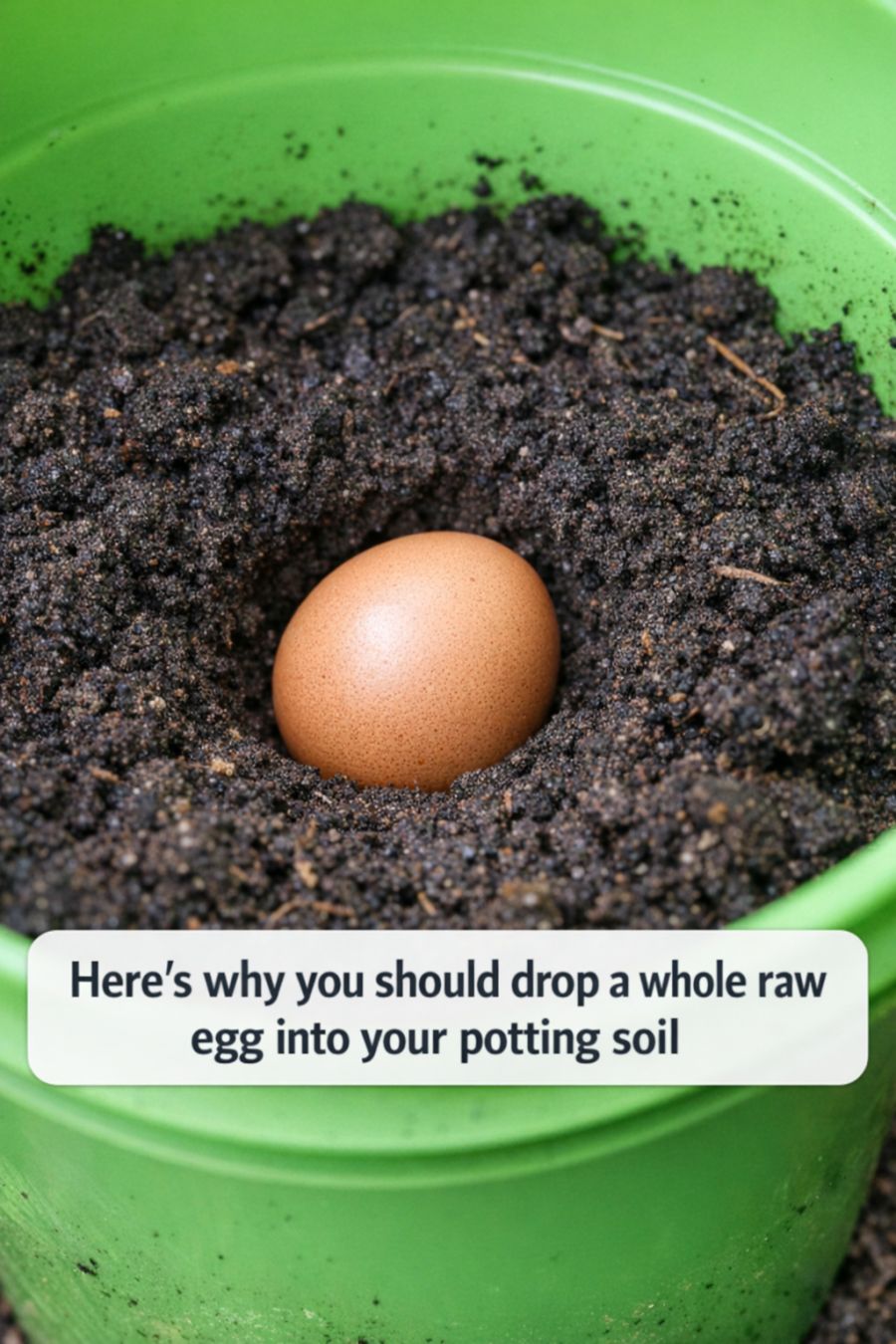
Here’s why you should drop a whole raw egg into your potting soil
Pages: 1 2
