
For centuries, gardeners have used an array of creative techniques to improve plant health and optimize growth. From soil amendments to innovative irrigation systems, the aim is always to give plants the best possible environment to thrive. But what if there was a simple, cost-effective solution that could enhance your planter’s performance significantly? Enter the humble household sponge.
While it might seem unconventional, placing a sponge at the bottom of your planter can offer a multitude of benefits. This easy gardening hack has been gaining traction among both amateur and experienced gardeners alike. In this article, we’ll explore why incorporating a sponge into your planting routine might just revolutionize the way you approach container gardening.
1. The Simple Sponge Trick Gardeners Swear By
The concept is simple: place a sponge at the bottom of your pot before adding soil and plants. This technique can be applied to any planter, regardless of size or material. The sponge acts as a reservoir, soaking up excess water and releasing it back to the plant roots as needed. This helps maintain consistent moisture levels, which is crucial for healthy plant growth.
Gardeners recommend using a clean, unused sponge to avoid introducing any potential contaminants to your soil. If you’re working with a pot that’s around 10 inches in diameter, a standard kitchen sponge should suffice. For larger planters, consider using multiple sponges to cover the bottom surface effectively.
2. How A Sponge Improves Drainage And Prevents Root Rot
One of the biggest challenges with container gardening is ensuring adequate drainage while preventing root rot. Overwatering is a common issue that can lead to soggy soil and suffocated roots. A sponge at the bottom of the planter acts as a buffer, absorbing excess water and allowing it to drain away from the roots.
This method is particularly beneficial for plants that prefer drier conditions, as the sponge can prevent the roots from sitting in waterlogged soil. Additionally, it helps create an air gap at the bottom of the pot, promoting better airflow and reducing the risk of fungal growth.
3. Keeping Soil Moist Longer (Without Overwatering)
Maintaining the right moisture balance can be tricky, especially in hot climates or during the peak of summer. A sponge can help by retaining water and slowly releasing it back into the soil as it dries out, ensuring that your plants receive a steady supply of moisture.
This not only reduces the frequency of watering but also minimizes the risk of overwatering, which can be just as damaging as underwatering. By keeping the soil consistently moist, plants are less stressed and more likely to produce vibrant blooms and healthy foliage.
4. Lighter Pots That Are Easier To Move Around
Planters filled entirely with soil can be heavy and difficult to move, especially if you like to rearrange your garden or bring plants indoors during colder months. By using a sponge, you can reduce the overall weight of the pot without sacrificing soil volume.
This is particularly advantageous for larger containers or for those who have limited mobility. The sponge adds a lightweight layer that doesn’t compromise the structural integrity of the soil, making it easier to transport your plants as needed.
5. Reducing Mess And Soil Loss From Drainage Holes
Soil loss through drainage holes is a common issue that can create a mess on patios and indoor areas. A sponge acts as a barrier, preventing soil from escaping while still allowing water to drain efficiently.
This can help keep your gardening area tidier and minimize the need for frequent cleanup. Additionally, it ensures that more of your valuable soil stays within the pot, providing a stable environment for your plants’ roots.
6. Saving Water And Fertilizer With Better Retention
Water conservation is an important consideration for environmentally conscious gardeners. A sponge can help reduce water waste by capturing what would otherwise drain away and evaporate. This means you can water less frequently, saving both water and time.
Moreover, the sponge can also help retain fertilizers dissolved in the water, ensuring that more nutrients remain available to your plants rather than being washed away. This can lead to healthier growth and more efficient use of resources.
7. Repurposing Old Household Sponges For Sustainable Gardening
Using sponges in planters is not only beneficial for your plants but also a great way to repurpose old household items. Instead of discarding worn-out sponges, you can give them a new life in your garden.
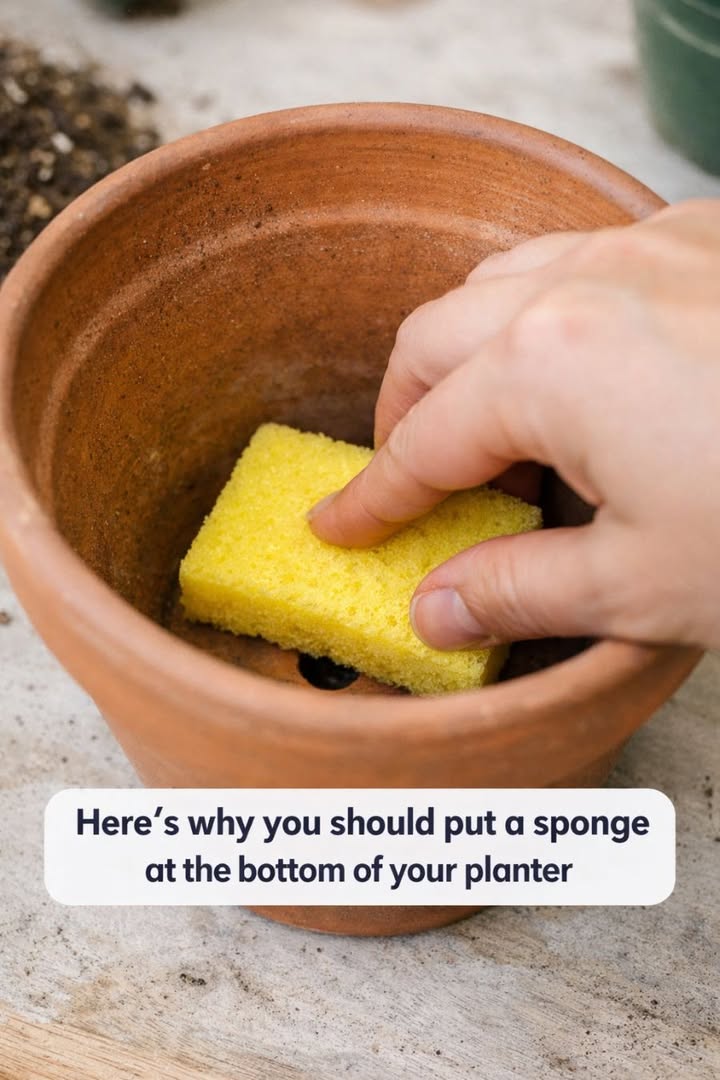
Here’s why you should put a sponge at the bottom of your planter
Pages: 1 2
