
When planting new roses, mix one tablespoon of Epsom salt into the soil at the bottom of the planting hole. This initial dose of magnesium and sulfur can help the roots establish more quickly and reduce the stress associated with transplanting. Follow up with regular applications to support continued growth and health.
7. A Gentle, Budget-Friendly Alternative to Harsh Fertilizers
Epsom salt is a gentle and cost-effective alternative to commercial fertilizers, which can sometimes be harsh on plants and the environment. Unlike many synthetic fertilizers, Epsom salt does not contribute to soil acidification or nutrient runoff, making it an eco-friendly choice for gardeners.
At just a few dollars per pound, Epsom salt is an affordable option for enhancing soil health and plant growth. Its natural composition and ease of use make it an excellent choice for gardeners looking to maintain a healthy and sustainable garden without breaking the bank.
8. How and When to Sprinkle Epsom Salt Around Rose Bushes
To use Epsom salt effectively, it’s important to apply it correctly and at the right times. During the growing season, apply Epsom salt to your rose bushes every six weeks. Sprinkle one tablespoon around the base of each bush, ensuring even coverage, and then water the plants thoroughly.
For best results, apply Epsom salt in the early morning or late afternoon when temperatures are cooler. This helps prevent evaporation and ensures that the nutrients reach the roots where they are needed most. By incorporating Epsom salt into your regular rose care routine, you can promote healthier, more vibrant plants.
9. Common Mistakes to Avoid So You Don’t Overdo It
While Epsom salt can be beneficial for roses, it’s important to avoid over-application, which can lead to nutrient imbalances and potentially harm your plants. Excessive magnesium can interfere with the uptake of other essential nutrients like calcium and potassium.
To avoid overdoing it, stick to the recommended application rate of one tablespoon per bush every six weeks. Monitor your plants for signs of nutrient excess, such as leaf burn or discoloration, and adjust your application rate if necessary. By using Epsom salt judiciously, you can ensure your roses receive the right balance of nutrients for optimal growth.
10. Natural Garden Pairings: Other Plants That Love Epsom Salt Too
Epsom salt is not just beneficial for roses; many other plants can also benefit from its nutritional properties. Vegetables like tomatoes, peppers, and potatoes are known to thrive with the addition of Epsom salt, as these plants often have high magnesium requirements.
Additionally, flowering plants such as azaleas, rhododendrons, and gardenias can benefit from Epsom salt applications. By incorporating Epsom salt into your gardening routine for a variety of plants, you can promote healthier growth and more abundant blooms across your entire garden.
11. What Science Says: Separating Epsom Salt Myths From Reality
While anecdotal evidence supports the benefits of Epsom salt for plant growth, scientific studies on its effectiveness are limited. Some research suggests that magnesium sulfate can improve plant health in magnesium-deficient soils, but results can vary depending on soil composition and environmental conditions.
It’s important to approach Epsom salt use with a balanced perspective, recognizing its potential benefits while also considering the specific needs of your garden. Regular soil testing can help determine whether Epsom salt is a suitable addition for your plants. By staying informed and making data-driven decisions, you can effectively incorporate Epsom salt into your gardening practices.
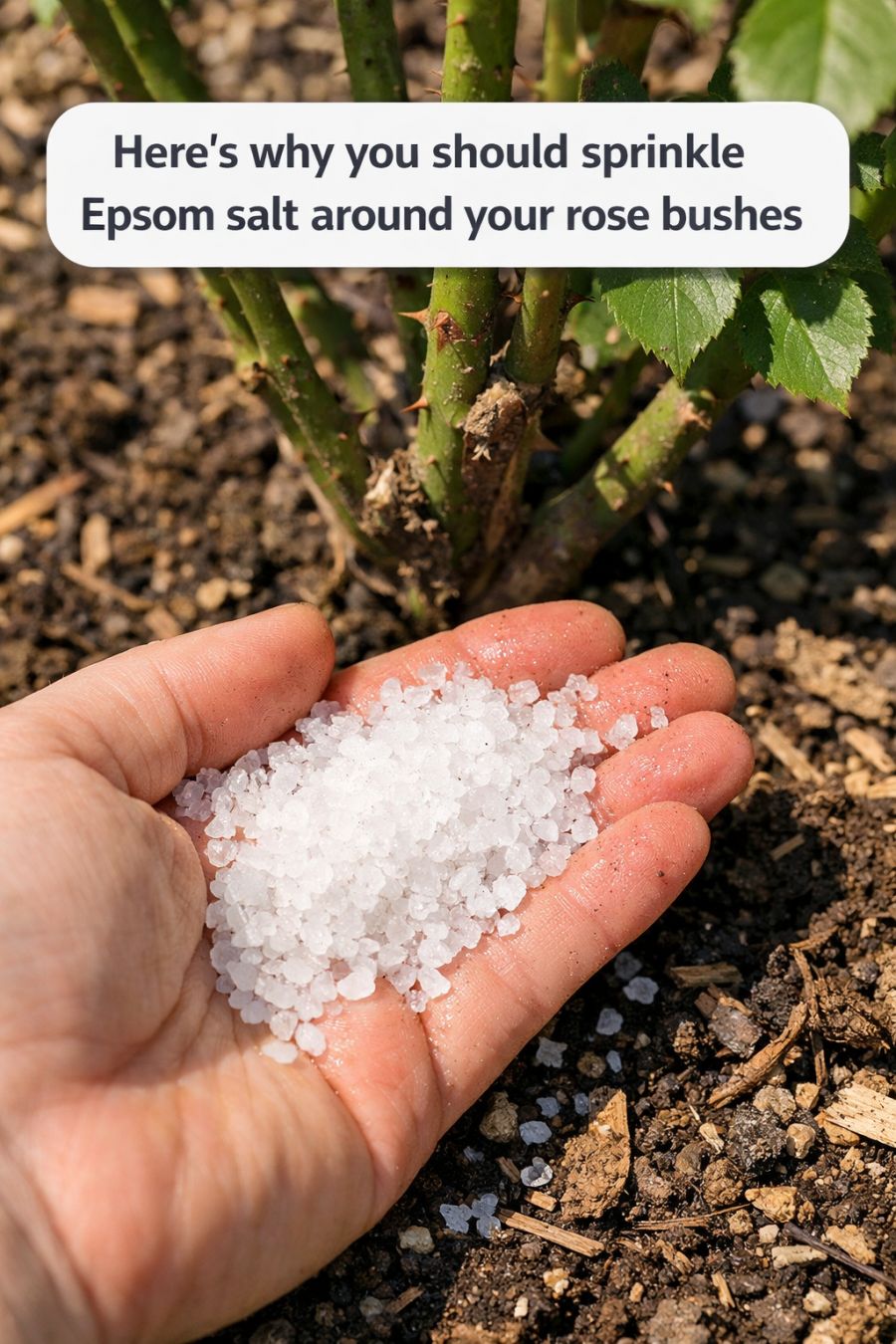
Here’s why you should sprinkle Epsom salt around your rose bushes
Pages: 1 2
