
6. Reducing Fungal Problems in Damp Garden Beds
Copper is known for its antifungal properties, which can be particularly beneficial in damp garden beds where fungal diseases are more likely to thrive. Copper ions can inhibit the growth of fungal spores, reducing the incidence of common plant diseases such as blight and powdery mildew.
By placing copper wire-wrapped sticks near vulnerable plants, gardeners can create an environment that is less conducive to fungal growth. This preventive measure is an excellent addition to regular garden maintenance practices, especially in regions with high humidity or frequent rainfall.
7. Boosting Micronutrient Availability for Healthier Growth
Copper is an essential micronutrient for plants, vital for the formation of lignin, which strengthens cell walls. A deficiency in copper can lead to poor plant development and reduced crop yields. By introducing copper wire into the garden, gardeners can help ensure that plants receive sufficient copper to support healthy growth.
The slow release of copper ions from the wire allows for a gradual supplementation of this micronutrient, promoting optimal plant health without the risk of toxicity, which can occur if copper levels become too high.
8. When This Hack Works Best (And When It Doesn’t)
The effectiveness of the copper wire and stick method can vary depending on several factors, including soil composition, climate, and the types of plants being grown. This technique tends to work best in gardens where copper deficiency is a concern or where pest problems are prevalent.
However, it may not be as effective in very sandy or alkaline soils where copper ions may not be readily available to plants. Additionally, in gardens with a significant pest infestation, this method should be used in conjunction with other integrated pest management strategies for the best results.
9. Choosing the Right Copper Wire and Stick for Your Setup
Selecting the appropriate materials is crucial for the success of this gardening technique. A 12-gauge copper wire is recommended for its balance of flexibility and durability. The wire should be long enough to wrap around the stick multiple times while leaving extra length to reach the soil.
The stick itself should be sturdy and resistant to decay, with bamboo or treated wood being excellent choices. The height of the stick should be tailored to the size of the plants being supported, ensuring that it provides adequate support without overshadowing smaller plants.
10. Step-By-Step: How to Wrap and Place Copper Next to Veggies
To implement this method, begin by selecting a stick that is approximately 2 feet tall and a length of 12-gauge copper wire. Wrap the wire around the stick in a loose spiral, starting from the top and working your way down, leaving enough wire at the bottom to extend into the soil.
Insert the stick into the ground about 6 inches away from the plant stem, ensuring that the copper wire makes contact with the soil. This placement allows for optimal interaction between the copper ions and the plant’s root system. Regularly check the positioning and condition of the wire and stick, making adjustments as necessary.
11. Safety, Sustainability, and Common Myths About Copper in the Garden
While copper is beneficial in moderation, excessive amounts can be harmful to plants and soil health. It’s important to monitor copper levels in your garden and avoid overuse. Sustainable gardening practices should always prioritize balance and moderation.
Common myths about copper include the belief that it can solve all pest problems or that it is a cure-all for nutrient deficiencies. In reality, copper should be used as part of a comprehensive gardening strategy. It’s also worth noting that while copper is a natural element, it is not biodegradable in the same way organic materials are, so its application should be considered carefully in the context of long-term soil health.
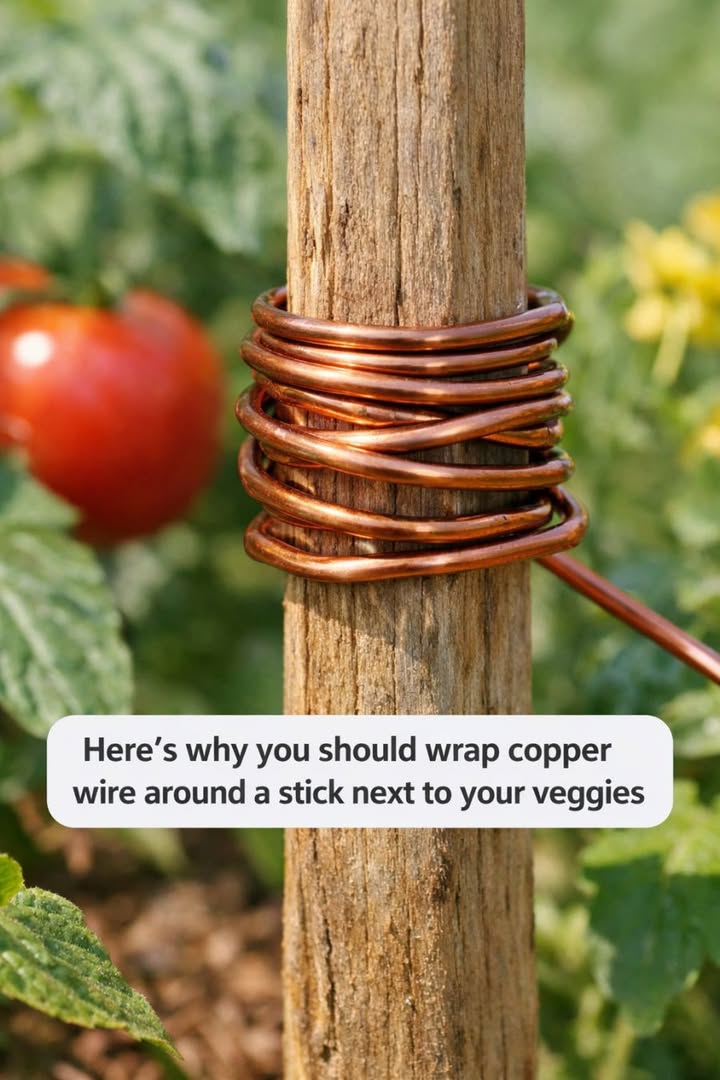
Here’s why you should wrap copper wire around a stick next to your veggies
Pages: 1 2
