
Growing lilacs from cuttings is a rewarding gardening endeavor that allows you to propagate these fragrant and beautiful shrubs right in your own backyard. However, many gardeners find themselves frustrated when their lilac cuttings fail to thrive. This is often due to a lack of understanding of the specific needs and conditions required for successful rooting.
In this comprehensive guide, we will walk you through the precise steps to ensure that your lilac cuttings take root and flourish. From selecting the right parent plant to creating the ideal environment for growth, you’ll learn the key techniques that will increase your chances of success. Let’s dive into the details to help you cultivate stunning lilac plants from cuttings.
1. Why Lilac Cuttings Fail So Often
Lilac cuttings often fail due to improper timing, incorrect cutting selection, and unsuitable environmental conditions. Many gardeners make the mistake of taking cuttings during the wrong season, which can result in poor rooting success. Additionally, using old or damaged wood can hinder the cutting’s ability to develop roots.
Another common issue is the lack of humidity and the wrong soil mix, which are crucial for successful rooting. Without the right balance of moisture and air circulation, the cuttings can dry out or become susceptible to rot. Understanding these common pitfalls is the first step in ensuring your lilac cuttings thrive.
2. Choosing the Right Lilac Variety and Parent Plant
Not all lilac varieties root equally well from cuttings. Generally, the common lilac (Syringa vulgaris) and its hybrids are more likely to root successfully. When selecting a parent plant, look for a healthy, disease-free specimen with vigorous growth. The parent plant should be at least three years old, as younger plants may not have the mature wood necessary for successful cutting propagation.
It’s also important to choose a parent plant that has desirable traits, such as vibrant flower color and strong fragrance, as these characteristics will be passed on to the new plants. Select a plant that has proven to thrive in your climate to ensure the best results.
3. The Perfect Time of Year to Take Lilac Cuttings
The optimal time to take lilac cuttings is during the late spring to early summer, when the plant is actively growing. Aim for a period after the lilac has finished blooming, as this is when the plant’s energy will be focused on producing new growth rather than flowers.
During this time, the new wood is semi-hard and pliable, making it ideal for rooting. Avoid taking cuttings during the fall or winter, as the plant will be in a dormant state and less likely to produce roots.
4. Selecting and Preparing the Ideal Cutting Wood
Choose healthy, semi-hardwood stems that are about 6 to 8 inches long and have at least two to three nodes. The wood should be firm but still flexible, indicating that it is mature enough to root but not so old that it becomes woody and difficult to handle.
Use a clean, sharp knife or pruning shears to make a clean cut just below a node, as this is where the highest concentration of rooting hormones is found. Remove any flowers or buds from the cutting, as these will divert energy away from root development.
5. Making the Correct Cuts: Length, Nodes, and Leaves
When preparing your cutting, aim for a length of 6 to 8 inches with at least two nodes. The bottom cut should be made just below a node, as this is where new root growth will emerge. Remove the leaves from the lower half of the cutting, leaving only one or two pairs of leaves at the top.
Trimming the leaves in half can also help reduce water loss through transpiration, allowing the cutting to focus its energy on developing roots. Ensure that the cutting is free from any signs of disease or damage before proceeding.
6. The Right Rooting Hormone and How to Apply It
Using a rooting hormone can significantly increase the success rate of lilac cuttings. A powdered or liquid hormone that contains indole-3-butyric acid (IBA) is ideal for lilacs. Before applying the hormone, lightly moisten the base of the cutting to help the hormone adhere.
Dip the basal end of the cutting into the rooting hormone, ensuring that it is evenly coated. Gently tap off any excess hormone to prevent clumping, which can hinder root development. The hormone will stimulate root formation at the base of the cutting, increasing your chances of success.
7. Soil Mix, Containers, and Drainage That Actually Work
A well-draining soil mix is crucial for rooting lilac cuttings. A mixture of equal parts perlite and peat moss or coconut coir provides excellent drainage and aeration. Alternatively, a commercial seed starting mix can also be used.
Select containers that have adequate drainage holes to prevent waterlogging, which can lead to rot. Small pots or trays that are at least 4 inches deep are ideal for accommodating the cutting’s root system as it develops. Ensure that the containers are clean and sterilized before use to prevent contamination.
8. Creating the Humid, Bright Environment Lilacs Need to Root
Lilac cuttings require a humid environment to prevent desiccation and promote rooting. Cover the containers with a clear plastic dome or a plastic bag to create a mini-greenhouse effect, retaining moisture while allowing light to penetrate.
Place the containers in a bright location with indirect sunlight, as direct sun can scorch the cuttings. A north-facing window or a spot with filtered light is ideal. Maintain a consistent temperature of around 70-75°F (21-24°C) to encourage root growth.
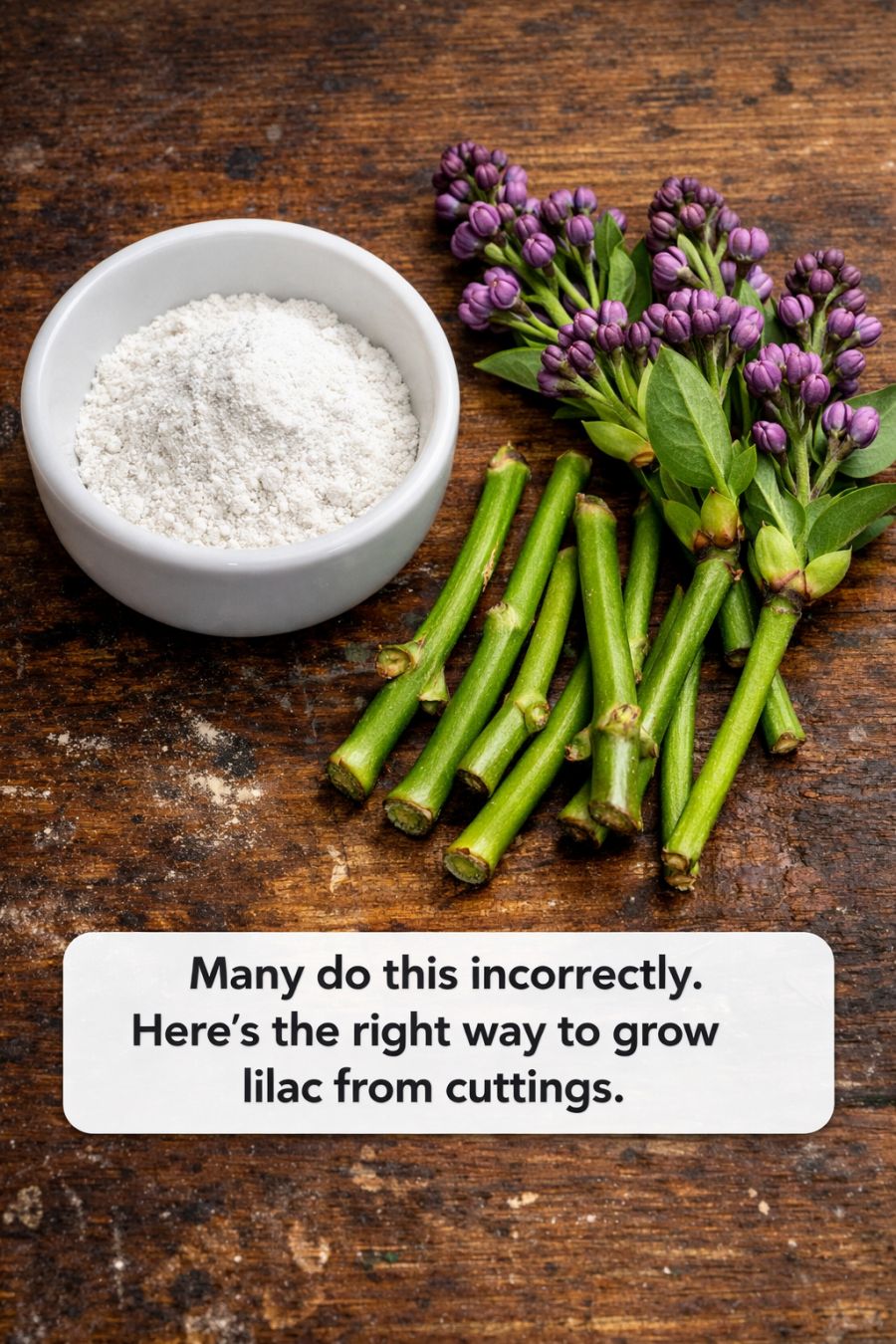
Many do this incorrectly. Here’s the right way to grow lilac from cuttings.
Pages: 1 2
