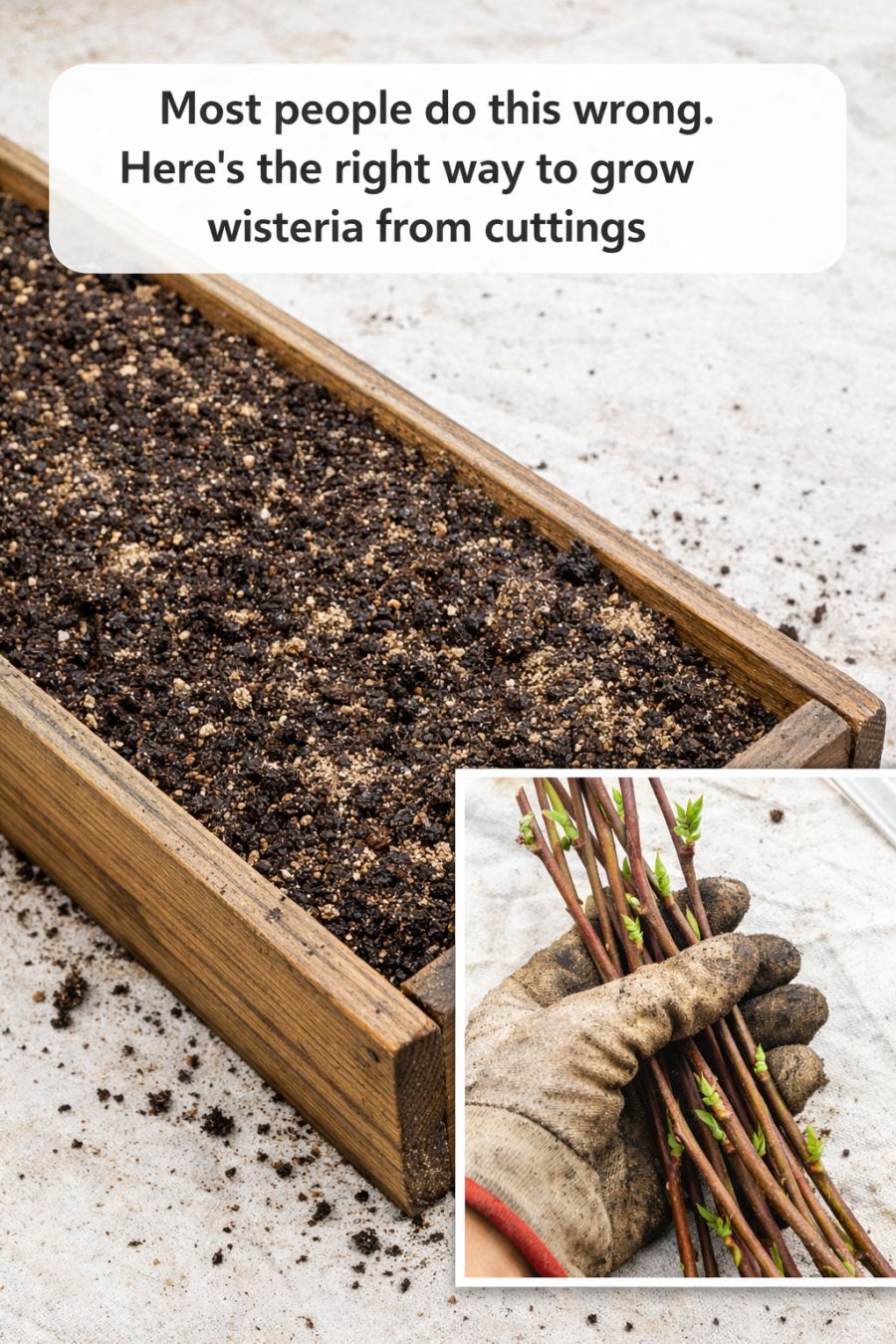
Wisteria, with its cascading blooms and enchanting fragrance, is a favorite among gardeners looking to add a touch of elegance to their landscapes. While many are captivated by its beauty, few realize the challenges involved in propagating this stunning vine. Growing wisteria from cuttings can be a rewarding endeavor, but it requires a keen understanding of the plant’s needs and some horticultural know-how.
For those who have attempted to propagate wisteria and found their efforts in vain, fear not. This guide will walk you through the common pitfalls and provide you with the step-by-step instructions needed to successfully grow wisteria from cuttings. With the right approach and a little patience, you can cultivate your own thriving wisteria vine, adding a personal touch of nature’s artistry to your garden.
1. The Big Mistake: Why Most Wisteria Cuttings Fail
One of the most common mistakes gardeners make when trying to propagate wisteria is neglecting the specifics of the cutting process. Many assume that simply sticking a cutting into the soil will suffice, but wisteria requires a more deliberate approach. The plant’s natural inclination is to grow vigorously once established, but getting it to root from a cutting is where most challenges arise.
Failure often occurs due to improper timing, incorrect choice of cutting type, or poor environmental conditions. For instance, taking cuttings at the wrong time of year or from unsuitable parts of the vine can lead to poor results. Additionally, neglecting factors such as humidity and soil composition can hinder the rooting process, leaving hopeful gardeners with nothing more than a withering stem.
2. Choose the Right Parent Vine: Age, Health, and Variety Matter
The success of propagating wisteria from cuttings begins with selecting the right parent vine. Opt for a mature vine that has demonstrated robust growth and disease resistance. Ideally, the parent plant should be at least three to five years old, as younger plants might not have the vigor needed to produce strong cuttings.
Health is paramount; avoid vines that show signs of disease or pest infestations. Additionally, consider the variety of wisteria you wish to propagate. Different varieties may have varying growth habits and flowering characteristics. Choose one that best suits your climate and aesthetic preferences.
3. Timing It Perfectly: When To Take Wisteria Cuttings for Best Results
Timing is crucial when taking cuttings from wisteria. The optimal period is during the early summer months, typically from late June to early July, when the plant is actively growing. During this time, the plant’s energy is focused on growth, making it more likely that cuttings will successfully root.
Avoid taking cuttings in the fall or winter when the plant is dormant, as these cuttings are less likely to root successfully. By taking cuttings during the peak growing season, you maximize the chances that the cutting will establish itself and thrive.