
9. Tools, Cuts, And Hygiene That Help Trees Heal And Bloom Better
Using the right tools and maintaining their sharpness is vital for making clean cuts that heal quickly. Pruning shears, loppers, and saws should be regularly cleaned and disinfected to prevent the spread of disease.
When making cuts, aim for a 45-degree angle just above an outward-facing bud. This allows water to drain away from the cut surface, reducing the risk of rot and infection. Proper tool hygiene and technique ensure that trees recover swiftly and bloom profusely.
10. Common Pruning Timing Mistakes That Kill Blooms And How To Avoid Them
One common mistake is pruning too late in the spring, which can remove fruiting buds and drastically reduce the harvest. Another error is over-pruning, which can shock the tree and lead to diminished vigor.
To avoid these pitfalls, it is essential to understand the specific pruning needs of each tree species and adhere to recommended timelines. When in doubt, seek advice from local horticultural experts or extension services to tailor your pruning practices to your specific environment.
11. Simple Yearly Pruning Calendar To Maximize Flowers And Fruit
Creating a yearly pruning calendar can help ensure timely and effective pruning practices. For most deciduous trees, plan for major pruning in late winter, with summer trimming reserved for size control and light penetration.
For citrus and other evergreen fruit trees, early spring is a suitable time for pruning. By organizing your pruning schedule in advance, you can stay on track and make adjustments based on seasonal variations, ensuring a consistent and productive harvest year after year.
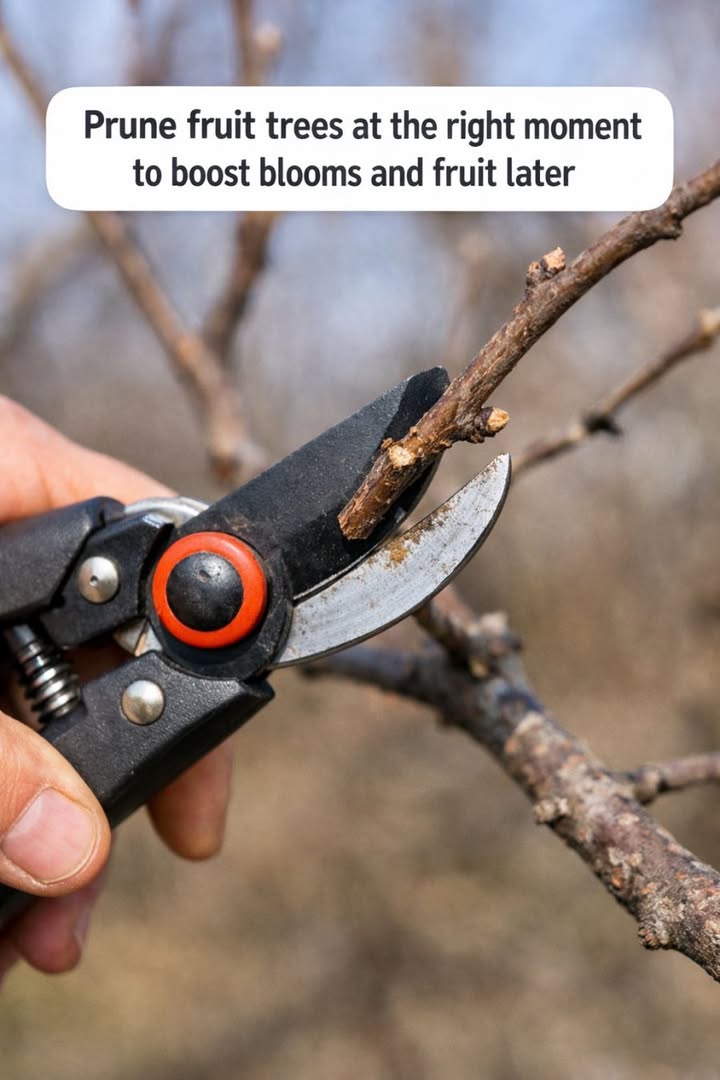
Prune fruit trees at the right moment to boost blooms and fruit later
Pages: 1 2
