
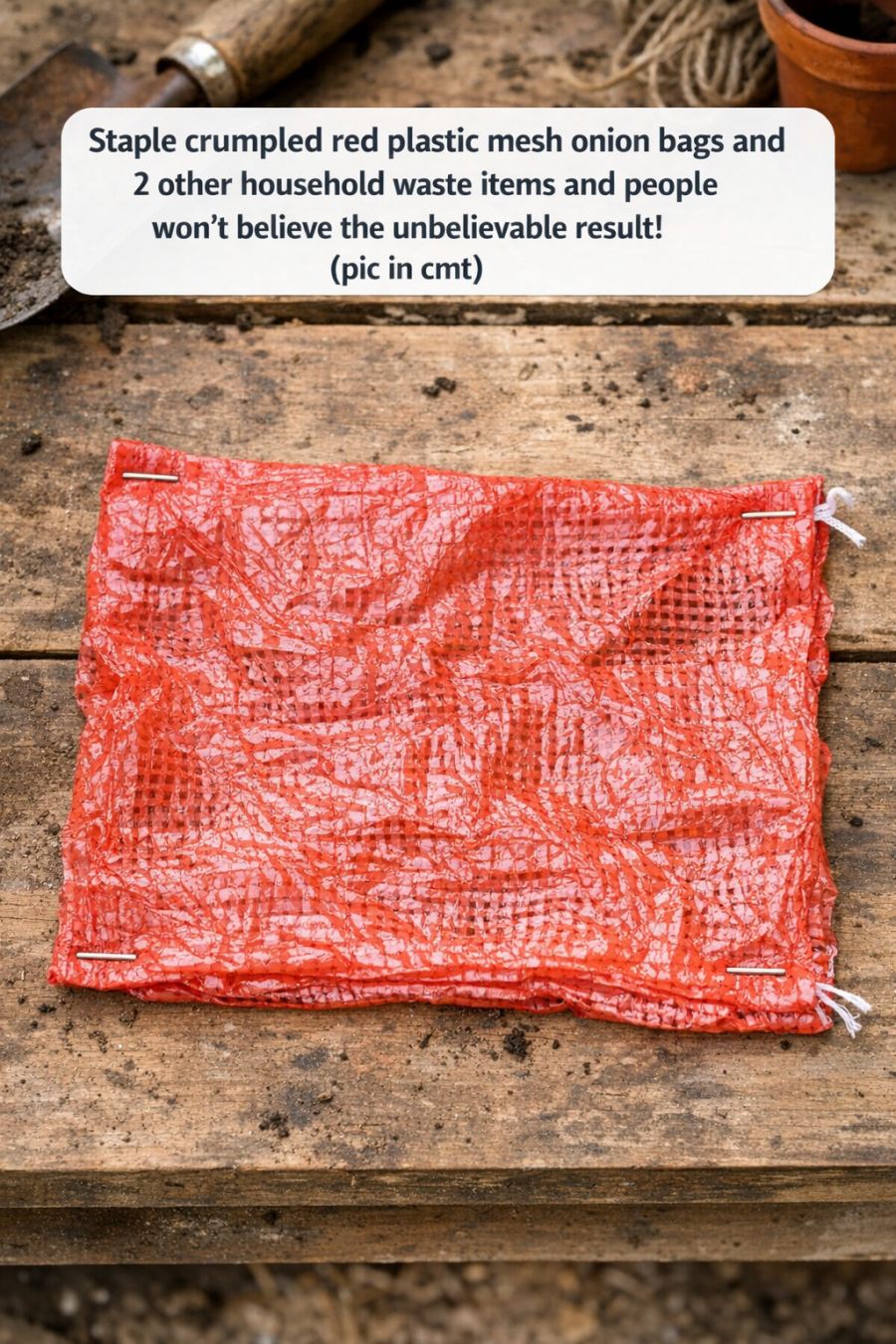
Transform your leftover red plastic mesh onion bags and other common household waste into a practical and eco-friendly solution for feeding birds in your garden. This DIY project offers an innovative way to repurpose materials that would otherwise end up in the trash, while attracting feathered friends to your outdoor space. Perfect for any season, these hanging suet bird feeders provide essential nourishment to birds, especially during the colder months when food is scarce. By creating these feeders, you’re supporting local wildlife and enhancing your garden’s ecosystem.
Integrate these hanging suet bird feeders into a cottage-style or rustic garden setting, where natural elements and repurposed materials blend seamlessly. Hang them near flowering shrubs like lilacs or hydrangeas, or from tree branches in a woodland-themed garden. They can also be placed near vegetable patches to encourage pollinators and pest control. The rustic charm of these feeders complements raised beds filled with herbs such as rosemary and thyme, or borders lined with vibrant marigolds and zinnias.
3-Material Hanging Suet Bird Feeders with Onion Bags
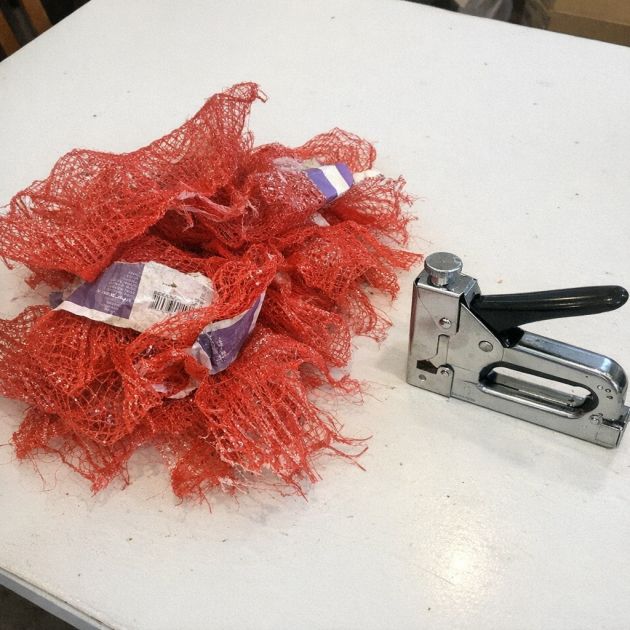
Materials
Red plastic mesh onion bags (2-3)
Twist ties or garden wire (4 pieces, 6 inches each)
Stapler with staples
Suet or bird feed blocks (2-3)
Directions
Flatten a red plastic mesh onion bag on a wooden surface, ensuring it’s free of any remnants.
Crumple and fold the mesh bag into a compact rectangle, ensuring it can securely hold the suet block.
Use a stapler to staple the edges of the folded mesh, creating a pocket to hold the suet block.
Insert a suet block into the mesh pocket, adjusting the mesh as needed to fully enclose it.
Use twist ties or garden wire to securely close the top of the mesh pocket, leaving extra length for hanging.
Repeat steps 1-5 for each additional suet block or bird feed block you wish to create.
Hang the completed feeders from branches or hooks in your garden, ensuring they are easily accessible to birds.
Pages: 1 2
