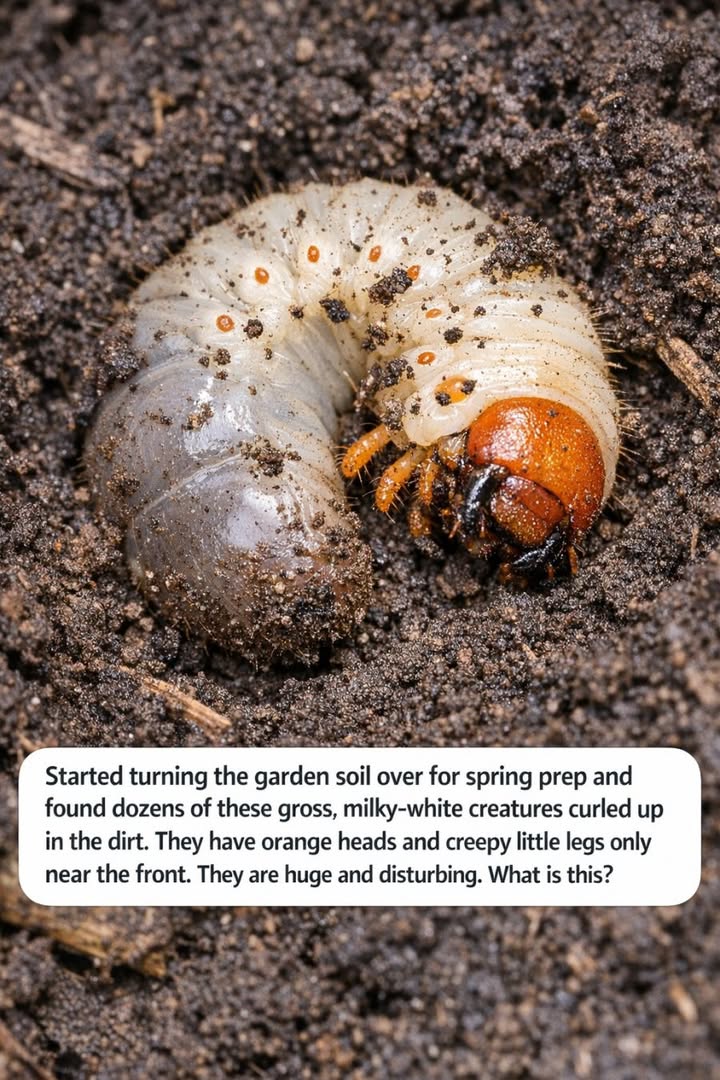
2. How To Positively Identify White Grubs in Your Garden
To identify white grubs accurately, examine their physical characteristics closely. They should have a distinct C-shape when unearthed, with a soft, milky-white body and a harder, brownish head. Look for the presence of three pairs of legs located near the head, which is a key identifying feature.
To further confirm their identity, consider their location and behavior. Grubs typically inhabit the top few inches of soil, particularly in areas rich in organic matter. If you find them in your garden, they’re likely feasting on plant roots or decaying organic material.
3. The Life Cycle: From Beetle Egg to Lawn-Destroying Grub
White grubs undergo a fascinating life cycle that begins when adult beetles lay eggs in the soil during the summer months. These eggs hatch into larvae, the grubs, which feed on roots and organic matter throughout the fall.
As temperatures drop, the grubs burrow deeper into the soil to overwinter. In spring, they return to the upper soil layers to resume feeding before pupating into adult beetles. This cycle can take one to three years, depending on the species and environmental conditions.
4. Why They’re Hiding in Your Spring Garden Soil
White grubs are particularly active in spring, as the warming soil signals their emergence from winter dormancy. They move closer to the surface to feed on the tender roots of newly emerging plants, which provide a rich source of nutrients.
Your garden soil offers the ideal habitat for these grubs, providing ample food and the right conditions for their development. As a result, it’s not uncommon to find them in abundance when preparing your garden beds for planting.
5. Are These Grubs Dangerous to You, Pets, or Plants?
While white grubs might look unsettling, they pose no direct threat to humans or pets. They do not bite or sting and are not known to carry diseases. However, their impact on plants can be significant, especially when present in large numbers.
Grubs primarily feed on plant roots, which can weaken or kill young plants and grasses. This feeding activity can lead to yellowing, wilting, and even the death of affected plants, making them a concern for gardeners and lawn enthusiasts.
6. The Damage They Do: Roots, Lawns, and Vegetable Beds at Risk
White grubs are notorious for the damage they cause to lawns, where they feed on grass roots, leading to brown patches and weakened turf. In severe cases, the grass can be easily lifted from the soil, revealing the grubs underneath.
In vegetable gardens, grubs can attack the roots of tender seedlings, stunting growth or causing plants to die altogether. This damage is particularly concerning for crops that rely heavily on healthy root systems for nutrient uptake and stability.
7. When to Worry: How Many Grubs Is Too Many?
A few grubs in your garden are typically not a cause for concern, as they are a natural part of the soil ecosystem. However, when their numbers exceed a certain threshold, they can become problematic. For lawns, a general rule of thumb is that more than 10 grubs per square foot can lead to noticeable damage.
In vegetable gardens, even a smaller number of grubs can be detrimental, especially if they are targeting vulnerable seedlings. Monitoring and managing grub populations can help prevent significant damage to your plants.