
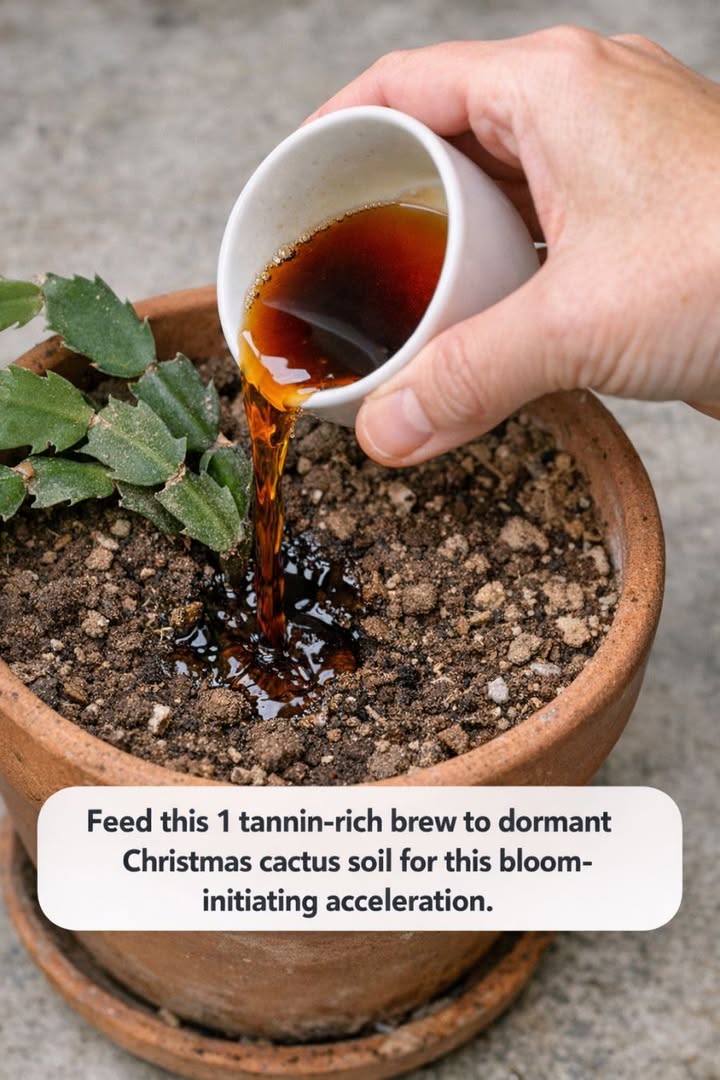
The Christmas cactus, known for its vibrant blooms during the holiday season, often requires specific care to ensure a robust flowering period. While many gardeners focus on lighting and watering schedules, there’s a lesser-known method for stimulating blooms: using a tannin-rich brew.
In this article, we’ll uncover how a simple solution involving black tea can enhance your Christmas cactus’s blooming potential. Whether you’re a seasoned gardener or a beginner, this guide will provide you with practical steps to invigorate your plant’s dormant soil into a bloom-initiating powerhouse.
1. Why Dormant Christmas Cactus Soil Is the Key to Bigger Blooms
During its dormancy, the Christmas cactus requires a period of rest to build up energy for its next blooming cycle. The soil plays a crucial role in this phase, acting as a reservoir for nutrients and moisture. Ensuring the soil is properly amended during dormancy can significantly impact the size and vibrancy of the blooms.
By enriching the soil with the right substances, you can improve root health and promote nutrient uptake. This preparation will set the stage for a spectacular flowering display once dormancy ends.
2. The Science of Tannins: How a Simple Brew Primes Flower Buds
Tannins are naturally occurring compounds found in many plants, including tea. They have astringent properties that can enhance soil structure and root health. By incorporating tannins into the soil, you can create an environment that supports the development of flower buds.
Research has shown that tannins can help regulate soil pH and improve nutrient availability, making them an excellent addition to the soil of flowering plants like the Christmas cactus.
3. Why Diluted Black Tea Works as a Bloom-Boosting Soil Tonic
Black tea is rich in tannins, making it an ideal candidate for a soil tonic. When diluted appropriately, it can provide the benefits of tannins without overwhelming the plant’s roots. The antioxidants in black tea also promote plant health by combating oxidative stress.
This simple, cost-effective solution not only boosts blooming potential but also supports overall plant vitality, making it a valuable addition to your Christmas cactus care routine.
4. Choosing the Right Black Tea and Strength for Safe Use
Not all black teas are created equal when it comes to gardening. Opt for a high-quality, organic black tea to minimize the risk of chemical residues. The strength of the tea is also important; a weak brew will not provide enough tannins, while a brew that’s too strong can cause root damage.
A general guideline is to use one tea bag per liter of water, steeped for no more than 5 minutes. This ensures a balanced concentration of tannins without risking harm to the plant.
5. How to Brew the Perfect Tannin-Rich Tea for Your Christmas Cactus
Start by boiling water and allowing it to cool slightly. Add one black tea bag to a liter of water and let it steep for 3 to 5 minutes. Remove the tea bag and allow the brew to cool to room temperature.
This simple process creates a tannin-rich solution that can be used to enhance your Christmas cactus’s soil, promoting healthy root growth and preparing the plant for a burst of blooms.
6. The Exact Dilution Ratio to Avoid Root Burn and Salt Buildup
To avoid root burn and salt buildup, it’s important to dilute the tea properly. A safe dilution ratio is one part brewed tea to ten parts water. This ensures that the concentration of tannins is beneficial rather than harmful.
Regularly monitor the soil’s condition and adjust the dilution ratio as needed based on the plant’s response and any visible signs of distress.
7. When to Start the Black Tea Soak in the Dormancy Cycle
Timing is crucial when introducing the black tea soak. Begin the treatment at the onset of the dormancy period, typically in late fall, several weeks before the plant is expected to start its blooming cycle.
This allows the plant to absorb the tannins and prepare its buds during the dormancy phase, leading to a more vigorous flowering season.
8. Step-by-Step: Feeding Tea to Dormant Soil for Faster Bud Set
1. Prepare your tannin-rich tea as described.
2. Dilute the tea with water at a ratio of 1:
10. 3. Water the plant’s soil evenly with the diluted solution, ensuring it reaches the root zone.
4. Repeat the process every two weeks during dormancy.
The Christmas cactus, known for its vibrant blooms during the holiday season, often requires specific care to ensure a robust flowering period. While many gardeners focus on lighting and watering schedules, there’s a lesser-known method for stimulating blooms: using a tannin-rich brew. In this article, we’ll uncover how a simple solution involving black tea can enhance your Christmas cactus’s blooming potential. Whether you’re a seasoned gardener or a beginner, this guide will provide you with practical steps to invigorate your plant’s dormant soil into a bloom-initiating powerhouse. 1. Why Dormant Christmas Cactus Soil Is the Key to Bigger Blooms During its dormancy, the Christmas cactus requires a period of rest to build up energy for its next blooming cycle. The soil plays a crucial role in this phase, acting as a reservoir for nutrients and moisture. Ensuring the soil is properly amended during dormancy can significantly impact the size and vibrancy of the blooms. By enriching the soil with the right substances, you can improve root health and promote nutrient uptake. This preparation will set the stage for a spectacular flowering display once dormancy ends. 2. The Science of Tannins: How a Simple Brew Primes Flower Buds Tannins are naturally occurring compounds found in many plants, including tea. They have astringent properties that can enhance soil structure and root health. By incorporating tannins into the soil, you can create an environment that supports the development of flower buds. Research has shown that tannins can help regulate soil pH and improve nutrient availability, making them an excellent addition to the soil of flowering plants like the Christmas cactus. 3. Why Diluted Black Tea Works as a Bloom-Boosting Soil Tonic Black tea is rich in tannins, making it an ideal candidate for a soil tonic. When diluted appropriately, it can provide the benefits of tannins without overwhelming the plant’s roots. The antioxidants in black tea also promote plant health by combating oxidative stress. This simple, cost-effective solution not only boosts blooming potential but also supports overall plant vitality, making it a valuable addition to your Christmas cactus care routine. 4. Choosing the Right Black Tea and Strength for Safe Use Not all black teas are created equal when it comes to gardening. Opt for a high-quality, organic black tea to minimize the risk of chemical residues. The strength of the tea is also important; a weak brew will not provide enough tannins, while a brew that’s too strong can cause root damage. A general guideline is to use one tea bag per liter of water, steeped for no more than 5 minutes. This ensures a balanced concentration of tannins without risking harm to the plant. 5. How to Brew the Perfect Tannin-Rich Tea for Your Christmas Cactus Start by boiling water and allowing it to cool slightly. Add one black tea bag to a liter of water and let it steep for 3 to 5 minutes. Remove the tea bag and allow the brew to cool to room temperature. This simple process creates a tannin-rich solution that can be used to enhance your Christmas cactus’s soil, promoting healthy root growth and preparing the plant for a burst of blooms. 6. The Exact Dilution Ratio to Avoid Root Burn and Salt Buildup To avoid root burn and salt buildup, it’s important to dilute the tea properly. A safe dilution ratio is one part brewed tea to ten parts water. This ensures that the concentration of tannins is beneficial rather than harmful. Regularly monitor the soil’s condition and adjust the dilution ratio as needed based on the plant’s response and any visible signs of distress. 7. When to Start the Black Tea Soak in the Dormancy Cycle Timing is crucial when introducing the black tea soak. Begin the treatment at the onset of the dormancy period, typically in late fall, several weeks before the plant is expected to start its blooming cycle. This allows the plant to absorb the tannins and prepare its buds during the dormancy phase, leading to a more vigorous flowering season. 8. Step-by-Step: Feeding Tea to Dormant Soil for Faster Bud Set 1. Prepare your tannin-rich tea as described. 2. Dilute the tea with water at a ratio of 1: 10. 3. Water the plant’s soil evenly with the diluted solution, ensuring it reaches the root zone. 4. Repeat the process every two weeks during dormancy. By following these steps, you’ll create optimal conditions for bud set and a vibrant bloom. 9. Pairing the Tea Treatment With Light, Temperature, and Watering Tweaks In addition to the tea treatment, adjust the plant’s environment to further support blooming. Ensure the cactus is in a cool room with temperatures between 50-55°F (10-13°C) during dormancy. Limit watering to encourage bud formation, and gradually increase light exposure as the blooming period approaches. These adjustments work synergistically with the tannin treatment to maximize flowering potential. 10. Signs the Tannin Tea Hack Is Working—And When to Stop Look for signs of healthy bud development, such as swelling at the stem joints, and increased foliage vibrancy. These are indicators that the tannin treatment is effective. Once the plant begins to bloom, discontinue the tea treatment to avoid overloading the soil with tannins. Focus on regular care practices to maintain the plant’s health throughout the blooming period.
Pages: 1 2
