
Some regions may have monitoring programs in place, so providing location details can assist with broader control efforts.
4. Modify Gardening and Landscaping Practices
Reduce Soil Disturbance: Limit digging and tilling, as this can spread worm egg cases (cocoons) throughout the soil.
Apply Mulch or Organic Ground Covers: A thick layer of mulch, wood chips, or leaves can create an environment less favorable to jumping worms.
Use Heat to Kill Cocoons: If moving soil or compost, consider solarizing it by placing black plastic over it in direct sunlight for several days to raise temperatures above 104°F (40°C), which can kill worm cocoons.
5. Avoid Spreading the Worms Unintentionally
Check for worms and cocoons in purchased mulch, compost, or potted plants before using them in your garden.
Clean tools, boots, and gardening equipment after working in infested areas to prevent accidental transport of cocoons.
Be cautious when sharing plants or soil with neighbors—inspect and rinse plant roots thoroughly before transferring.
6. Engage with Community Efforts
Participate in local invasive species workshops and management programs.
Educate neighbors and fellow gardeners about jumping worms and encourage preventative measures.
Advocate for responsible landscaping and gardening practices to slow the spread of this invasive species.
Conclusion and Call to Action
Jumping worms represent a growing threat to the ecological balance of many regions in the United States. By understanding their characteristics, impact, and spread, individuals can take informed actions to mitigate their effects. It is essential for communities to work together, sharing information and resources, to combat this invasive species. By remaining vigilant and proactive, we can help protect our environments from the damaging influence of jumping worms.
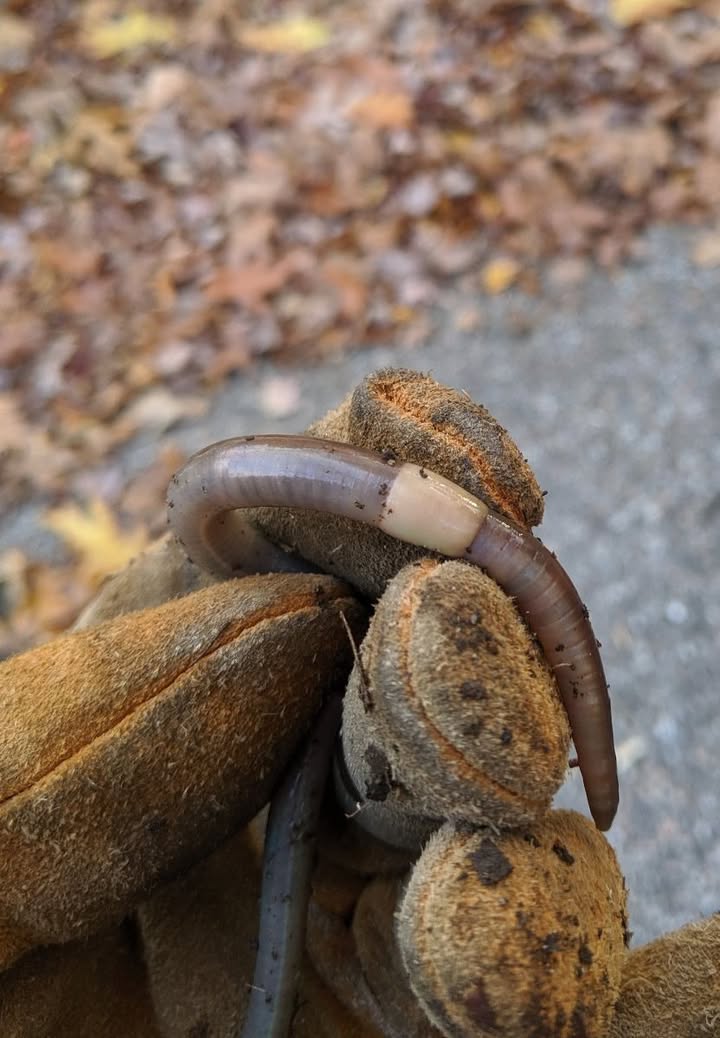
These guys cause massive damage, and they are spreading across the US. Here’s how to recognize them and what you should do next
Pages: 1 2
