
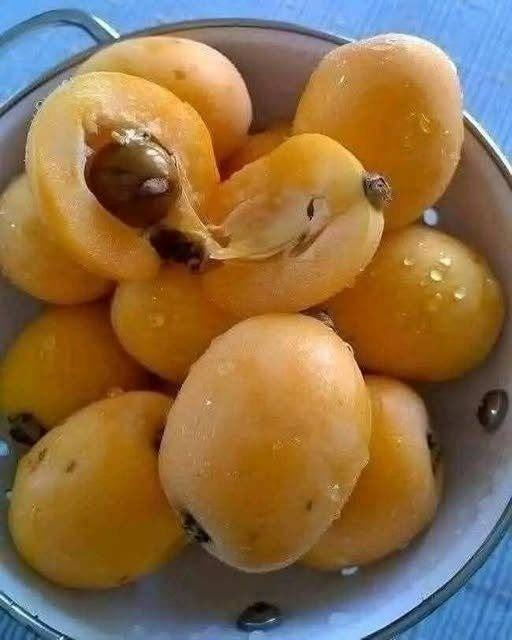
There’s something deeply nostalgic about the scent of simmering apricots—a golden perfume that fills the kitchen with the essence of summer. It’s the smell of July afternoons, of fruit-heavy branches bending toward the sun, of grandmothers stirring pots with patient, weathered hands.
This Traditional Apricot (Mishmish) Jam captures that fleeting sweetness in a jar, preserving the sun-ripened flavor of fresh fruit without a single additive or artificial pectin. By gently macerating the apricots with sugar and lemon, you coax out their natural juices, creating a jam that’s luxuriously glossy, deeply aromatic, and perfectly balanced between bright tartness and honeyed warmth.
It’s slow food at its finest: simple, honest, and utterly delicious.
Why You’ll Love This Recipe
This isn’t just jam—it’s summer in a spoon.
-
Old-world method – Maceration draws out the fruit’s essence before cooking, resulting in richer, more complex flavor than quick-boil versions
-
No commercial pectin – No chalky aftertaste, just pure, velvety fruit
-
Simple ingredients – Apricots, sugar, lemon—that’s it
-
Customizable – Adjust sweetness, add vanilla or spices, make it your own
-
Beautiful gift – Tie a ribbon around a jar and share summer with someone you love
-
Endless uses – Spread on toast, swirl into yogurt, spoon over ice cream, or eat by the spoonful
Every batch is a small act of preservation, turning fragile summer bounty into year-round joy.
The Ingredients
Ingredient Amount Notes
Fresh apricots 2 lbs Ripe but not mushy; about 6-8 cups halved and pitted
Granulated sugar 2½ cups Adjust based on sweetness of fruit
Fresh lemon juice 3 tablespoons About 1 large lemon
Lemon zest 1 teaspoon Optional, but adds brightness
Water ¼ cup Only if needed
Yield: About 3-4 half-pint jars
The Method: Macerate, Simmer, Jar, Treasure
Step 1: Prepare the Apricots
Wash the apricots thoroughly. Cut them in half, remove the pits, and chop into quarters or smaller pieces if desired. Some people prefer chunkier jam; others like it smoother. Your choice.
Step 2: Macerate Overnight
In a large, non-reactive bowl (glass, ceramic, or stainless steel), combine:
Apricots
Sugar
Lemon juice
Lemon zest (if using)
Stir gently to coat the fruit. Cover and refrigerate for 8-12 hours or overnight. During this time, the sugar draws out the natural juices from the apricots, creating a syrupy liquid. This step is essential for deep flavor.
Step 3: Prepare for Canning (If Preserving)
If you plan to can your jam for shelf storage, sterilize your jars and lids now. Place jars in boiling water for 10 minutes. Keep them hot until ready to fill.
Step 4: Cook the Jam
Transfer the apricot mixture to a wide, heavy-bottomed pot (a Dutch oven or preserving pan is ideal). The wide surface area helps liquid evaporate quickly.
Bring to a boil over medium-high heat, stirring frequently to prevent sticking.
Reduce heat to medium and cook, stirring often, for 20-40 minutes, depending on how thick you like your jam.
How to tell when it’s done:
The plate test: Place a small plate in the freezer for a few minutes. Drop a spoonful of jam onto the cold plate. Let it sit for 30 seconds, then push it with your finger. If it wrinkles and holds its shape, it’s done.
Temperature: The jam should reach 220°F (105°C) on a candy thermometer.
Visual: It should be thick, glossy, and coat the back of a spoon.
Step 5: Remove Scum (Optional)
As jam cooks, foam may rise to the surface. Skim it off with a spoon for a clearer final product.
