
Incorporating old mulch into the compost or using it as a base layer in garden beds can enhance the microbial activity in your soil. Ensure that any mulch used is free from disease and pests to prevent spreading these issues in your garden.
7. Spent Flowers and Trimmings: Bloom-Boosting Organic Matter
Spent flowers and plant trimmings are often overlooked but can be valuable additions to your compost. Rich in potassium, they can enhance flower and fruit development in your garden.
When composting spent flowers, remove any seed heads to prevent unwanted plants from sprouting. This organic matter should be mixed with other compost materials to ensure a balanced decomposition process, ultimately enriching your compost with nutrients that promote lush blooms.
8. Pine Needles and Cones: Acid-Loving Plant Ally
Pine needles and cones are often considered waste, but they are a boon for acid-loving plants such as blueberries, azaleas, and rhododendrons. When used as mulch, they help acidify the soil, creating an ideal environment for these plants.
Pine needles decompose slowly, providing a long-lasting mulch that also suppresses weeds and conserves moisture. However, they should be applied in moderation and not mixed into the soil of plants that prefer neutral or alkaline conditions.
9. Moss and Thatch: Soil Conditioner When Properly Composted
Moss and thatch, often raked away as nuisances, can be valuable when composted properly. They add bulk and structure to the compost, improving aeration and water retention in the final product.
To use moss and thatch effectively, ensure they are well-mixed with other compost materials to prevent matting. When broken down, they contribute to a richer, loamier soil, perfect for improving garden beds and potted plants.
10. Shed Bark and Tree Litter: Mini Forest Floor for Your Beds
Shed bark and tree litter can transform garden beds into mini forest floors, mimicking the natural ecosystem. This organic matter is rich in carbon and helps improve soil texture and fertility.
Using bark and litter as mulch provides a natural look while suppressing weeds and retaining soil moisture. As they decompose, they enrich the soil with nutrients, supporting healthy plant growth. It’s essential to lay them down in a thick enough layer to be effective, typically about 2-3 inches.
11. Storm Debris and Broken Plant Parts: Emergency Compost Fuel
Storm debris, often seen as a burden, can be a quick and easy addition to your compost pile. Broken branches and plant parts are typically high in carbon, which is essential for a balanced compost.
To utilize storm debris, break it down into smaller pieces to accelerate decomposition. Mixing it with green materials like kitchen scraps or fresh grass clippings will create the perfect environment for composting, turning what could be considered waste into valuable garden fuel.
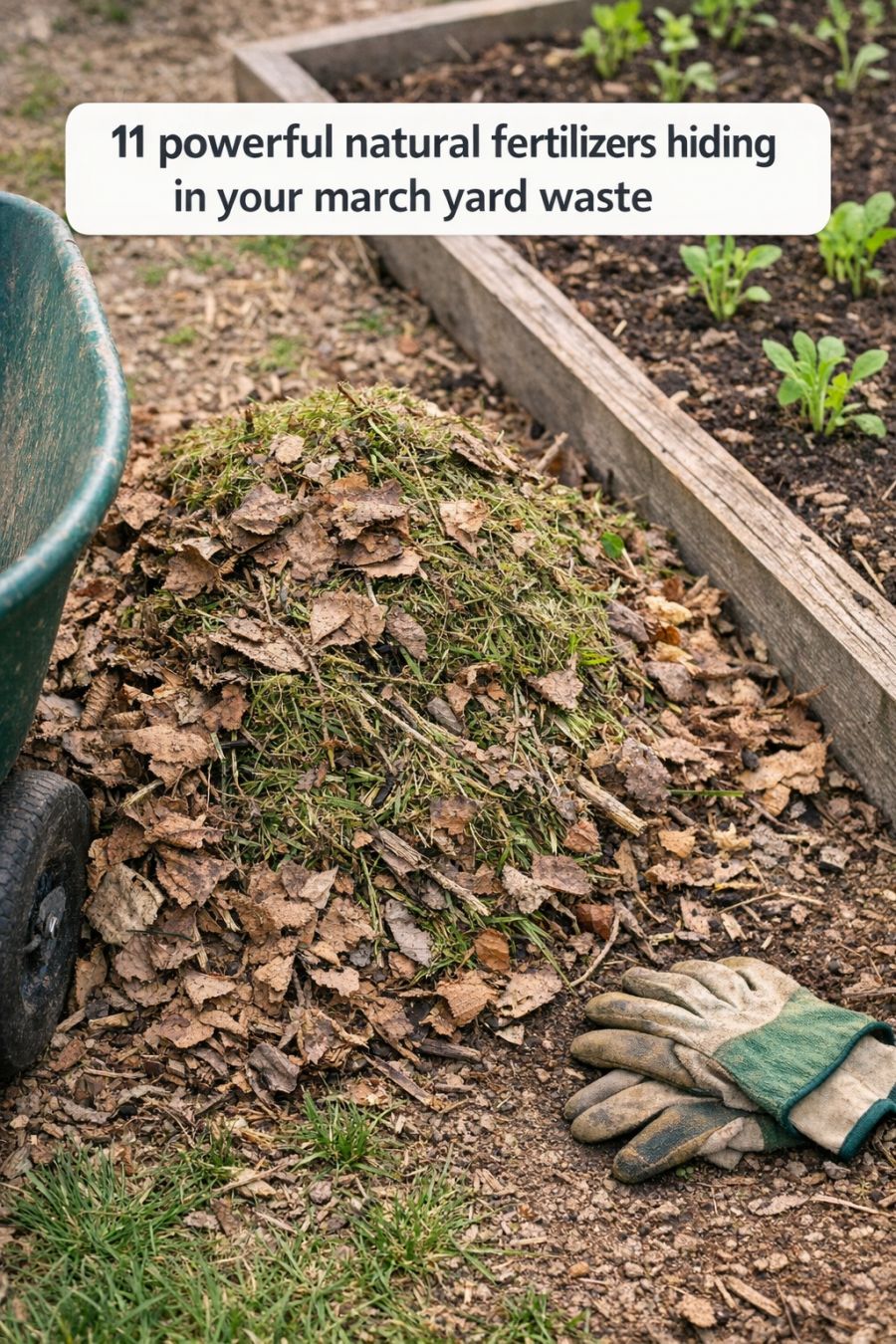
11 powerful natural fertilizers hiding in your march yard waste
Pages: 1 2
