Bury rusty metal muffin tins and 3 basic shed scraps and watch this turn into the ultimate backyard solution!
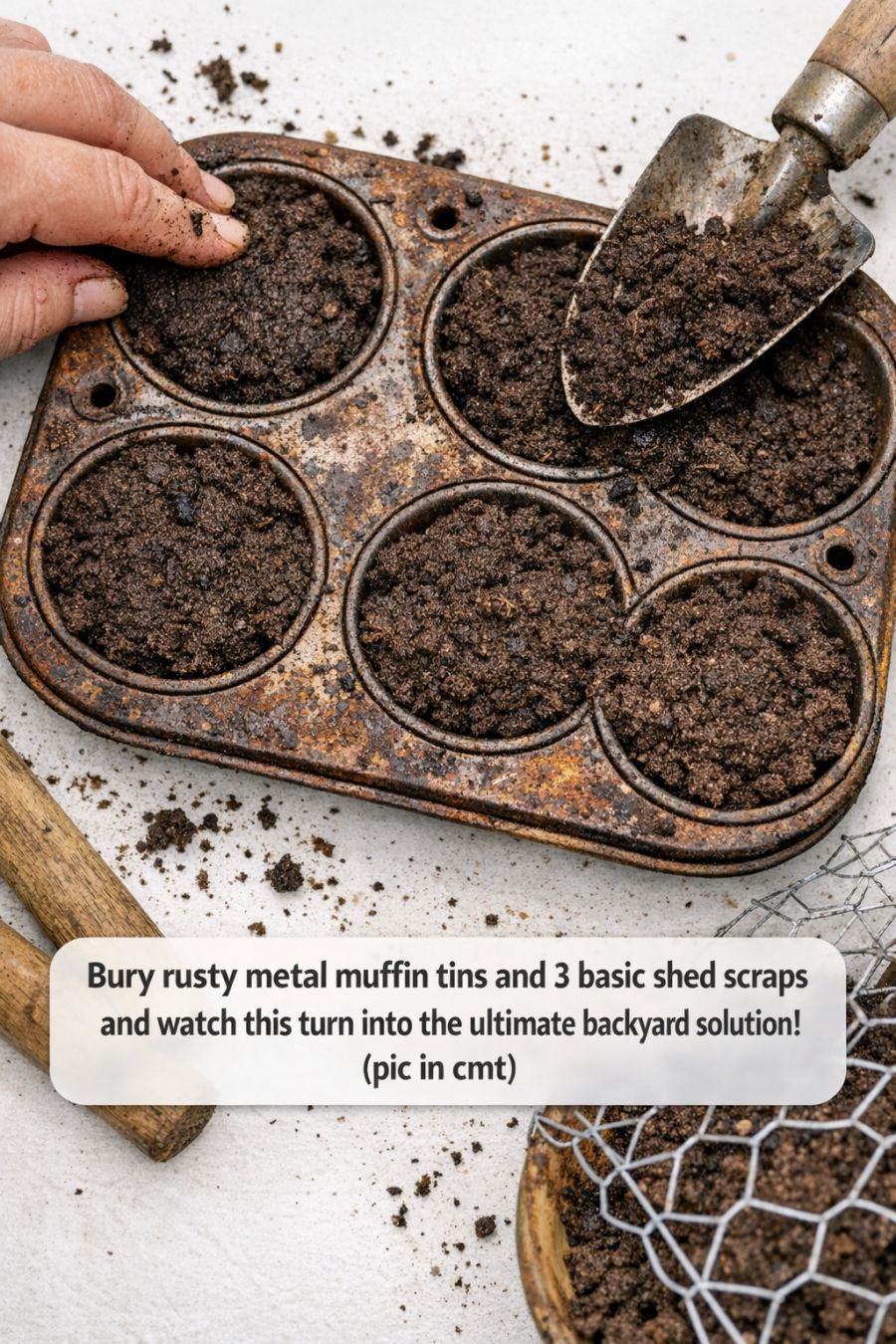
In the world of gardening, a common challenge is managing the growth and spread of roots, particularly when different plant species are grown close together. Creating an underground root separator can help maintain the health and productivity of your garden by preventing root competition and ensuring that each plant gets the nutrients it needs. This … Read more

This brings back Sunday dinners without the carb overload. Comforting and foolproof

This 6-ingredient low carb meatloaf is one of those weeknight heroes I lean on when work runs late but I still want something cozy and homemade. It keeps all the classic meatloaf comfort—juicy beef, savory seasoning, a little tangy sweetness on top—without the usual breadcrumbs or sugary glaze. Meatloaf has always felt like the ultimate … Read more

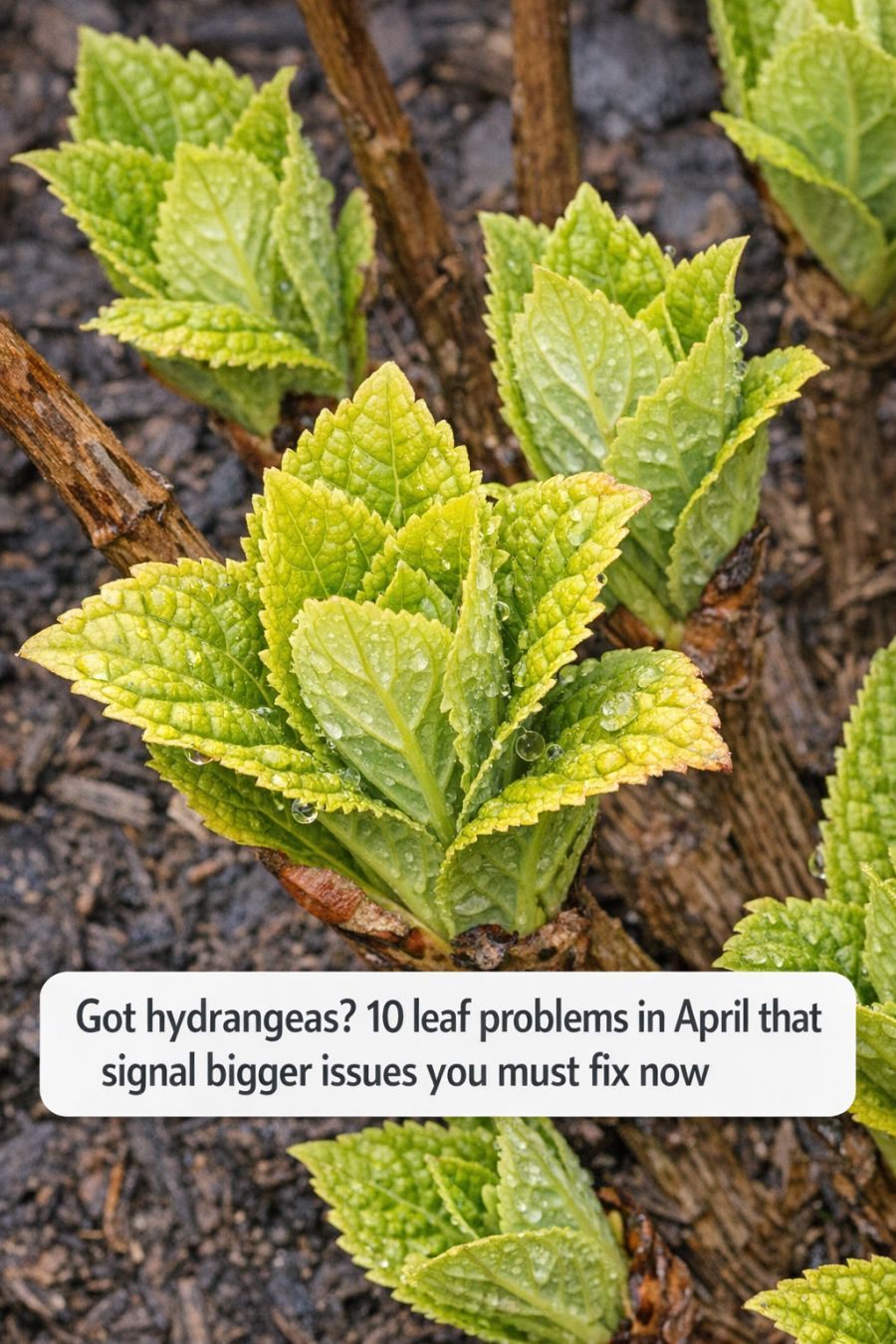
Got hydrangeas? 10 leaf problems in April that signal bigger issues you must fix now

Hydrangeas are beloved for their lush blooms and vibrant colors, making them a staple in many gardens. However, these beautiful plants can face numerous challenges, especially as spring unfolds. April is a critical month for hydrangeas as they begin to emerge from dormancy and prepare for the growing season. During this time, paying close attention … Read more

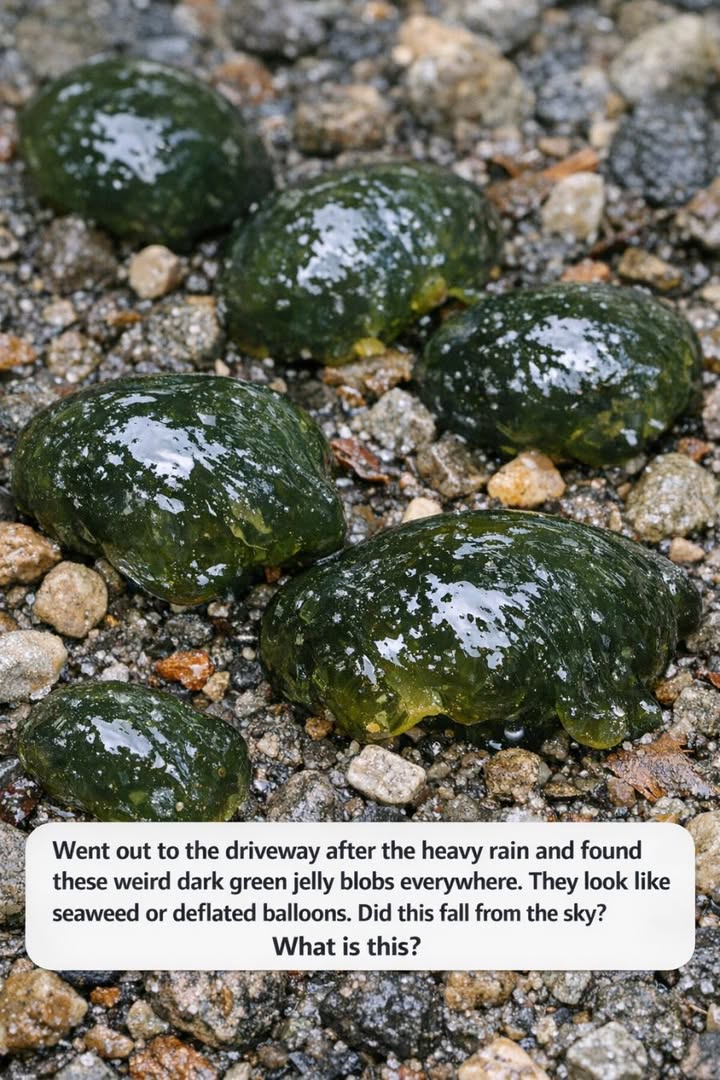
Went out to the driveway after the heavy rain and found these weird dark green jelly blobs everywhere. They look like seaweed or deflated balloons. Did this fall from the sky? What is this?

After a night of heavy rain, you step outside to assess any potential damage or changes to your property, and are met with an unusual sight. Strewn across the driveway, odd dark green jelly blobs are scattered, resembling something out of a science fiction movie. These peculiar masses, looking like seaweed or deflated balloons, raise … Read more

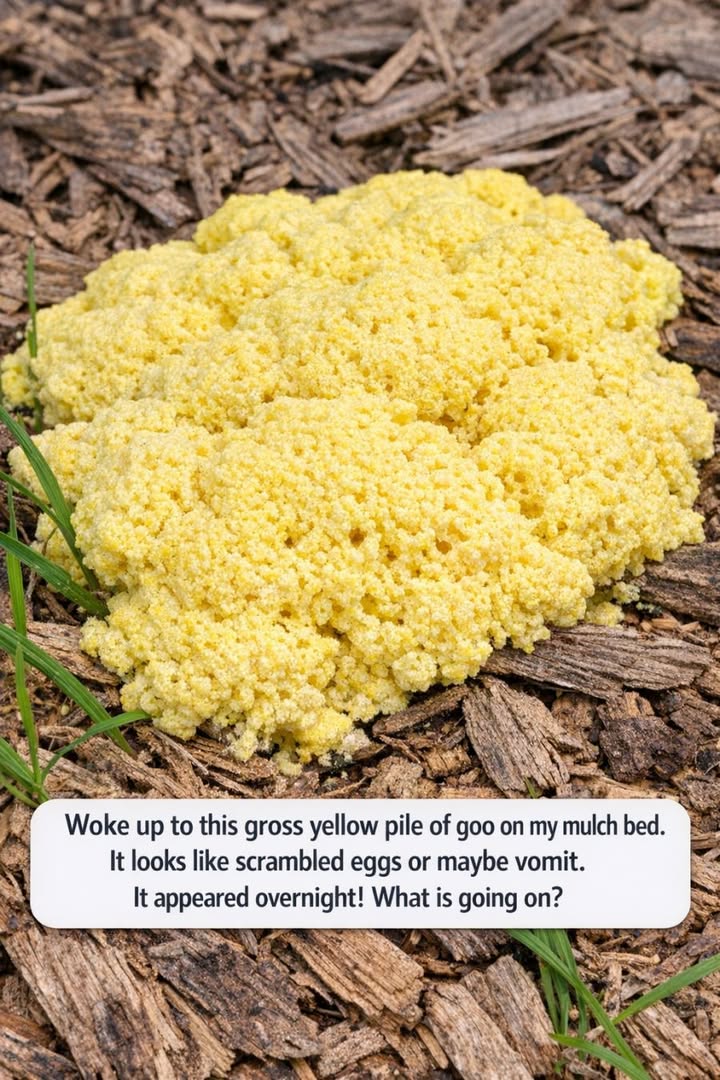
Woke up to this gross yellow pile of goo on my mulch bed. It looks like scrambled eggs or maybe vomit. It appeared overnight! What is going on?

Imagine waking up in the morning, grabbing your coffee, and stepping outside to enjoy your garden, only to be greeted by a startling sight—a bright yellow, gooey mass sprawled across your mulch bed. It looks suspiciously like scrambled eggs, or worse, a puddle of vomit, and it seems to have appeared overnight. You’re left wondering … Read more

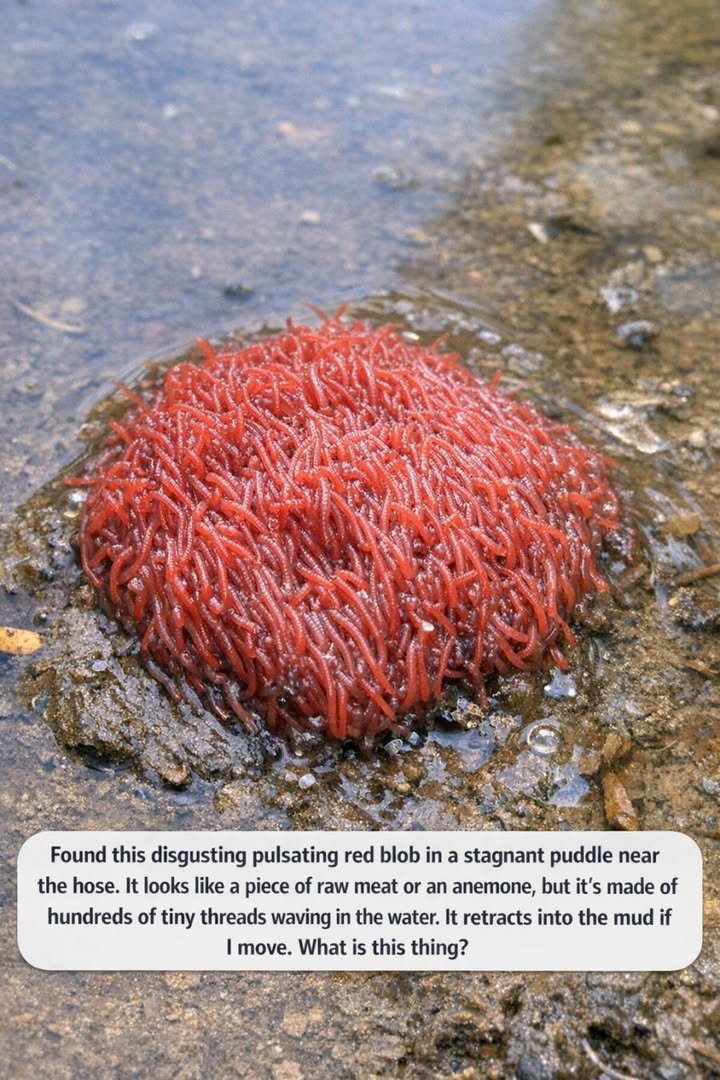
If you’ve stumbled upon a bizarre, pulsating red blob in your backyard, you might have initially recoiled in disgust or curiosity. Resembling a piece of raw meat or even a strange underwater anemone, this peculiar sight can be both fascinating and unsettling. Such discoveries are not uncommon, especially in areas where water collects and becomes stagnant. These blobs, often found in puddles or near garden hoses, are not just random occurrences. They are part of a larger ecological system that thrives in specific environmental conditions. As you delve deeper into understanding what these blobs are, you’ll uncover a world of microscopic wonders and complex biological interactions that explain their presence and behavior. 1. The Shocking Sight: A Pulsating Red Blob in Your Backyard Seeing a pulsating red blob in your backyard can be quite alarming. These blobs can measure anywhere from a few centimeters to a foot in diameter, depending on the size of the colony. Their vibrant red color and rhythmic pulsations can make them look alive, which in a way, they are. These blobs are typically found in stagnant water, such as puddles or areas with poor drainage. They may appear to be a single entity, but upon closer inspection, you will find that they are composed of numerous tiny threads waving in the water. This sight can be both mesmerizing and disturbing, as the blobs seem to respond to movement and stimuli in their environment. 2. Why It Looks Like Raw Meat or a Strange Anemone The appearance of these blobs can be deceiving. They often look like a piece of raw meat due to their fleshy red color and semi-translucent nature. The way the mass undulates in the water can also give it the appearance of an anemone, with its tentacle-like threads swaying in the current. These visual similarities are due to the structure and behavior of the individual organisms that make up the blob. The reddish hue is a result of hemoglobin present in the tiny worms, which helps them survive in low-oxygen environments. The movement is a collective effort of thousands of worms interacting with their surroundings, giving an illusion of a single, cohesive creature. 3. The Real Culprit: Meet the Tubifex Worm Colony The red blob you’ve encountered is actually a colony of tubifex worms, also known as sludge worms. These tiny segmented worms, belonging to the family Tubificidae, are often found in nutrient-rich, muddy environments. Tubifex worms can grow up to 20 millimeters in length and are characterized by their reddish color, which comes from their blood rich in hemoglobin. The worms live in dense colonies, forming large, gelatinous masses that can often be seen pulsating as they contract and expand to circulate water and nutrients. These colonies can thrive in conditions that would be inhospitable to many other organisms, such as low-oxygen, polluted environments. 4. How Hundreds of Tiny Worms Act Like One Creepy Organism A tubifex worm colony behaves like a single organism due to the coordinated movement of its individual members. Each worm is capable of independent motion, but together they create a synchronized pulsation that helps with their collective survival. This movement facilitates the circulation of water and nutrients throughout the colony, ensuring that each worm has access to the resources it needs. The worms communicate with each other through chemical signals and physical contact, allowing them to respond quickly to changes in their environment. This coordination allows the colony to retract into the mud when disturbed, a defensive mechanism that protects them from potential threats. 5. Why It Pulsates and Retracts When You Move The pulsating motion of a tubifex worm colony is primarily a result of the worms’ collective effort to facilitate water flow and nutrient exchange. This rhythmic contraction and expansion are essential for their survival in stagnant water environments where oxygen levels are low. When the colony senses movement or vibrations, it will often retract into the mud as a protective response. This behavior is a survival strategy, as it helps the worms avoid predation or other disturbances. The retraction is a rapid contraction of the worms, pulling the entire mass into the sediment where it can remain hidden from view. 6. Where Tubifex Worm Blobs Usually Form and Thrive Tubifex worm colonies are commonly found in environments with stagnant or slow-moving water, such as puddles, ponds, and marshes. They thrive in areas rich in organic matter, which provides them with the nutrients they need to survive. These conditions are often found in poorly drained areas of gardens or near water sources like hoses and drains. These worms are particularly adept at surviving in polluted environments, as they can tolerate low oxygen levels and high concentrations of organic pollutants. This resilience makes them a common sight in areas with poor water quality or where human activity has led to increased organic matter in the water. 7. Are Tubifex Worms Dangerous to Humans or Pets? Tubifex worms are generally not considered dangerous to humans or pets. They do not pose any direct threat and are not known to carry diseases that can be transmitted to humans. However, the environments in which they are found can sometimes harbor harmful bacteria or pollutants, so it is advisable to avoid direct contact with the water or soil where they are present. For pets, the primary concern would be if a dog or cat ingests the worms, which could potentially lead to gastrointestinal upset. However, this is more related to the environment and not the worms themselves. It is always a good idea to prevent pets from drinking or playing in stagnant water to avoid any potential health issues. 8. What Their Presence Says About Your Water and Soil Quality The presence of tubifex worms in your backyard can be an indicator of poor water and soil quality. These worms thrive in environments with high levels of organic matter and low oxygen, conditions often associated with pollution and poor drainage. If you find a tubifex worm colony, it may suggest that the area is experiencing waterlogging or that there is an accumulation of organic waste. This could be a result of runoff from gardens, fertilizers, or other sources of organic debris. Addressing these issues can improve the overall health of your garden and potentially reduce the presence of these worm colonies. 9. Safe Ways to Remove or Relocate a Tubifex Worm Cluster If you wish to remove or relocate a tubifex worm cluster, it’s important to do so carefully to avoid harming the worms or disrupting the local ecosystem. One method is to gently scoop the colony with a small net or a container, ensuring you collect as much of the mass as possible. Once collected, you can relocate the worms to a more suitable environment, such as a pond or wetland area. Alternatively, improving the drainage and reducing the organic matter in the area can naturally discourage the worms from returning. This might include redirecting water flow, aerating the soil, or reducing the use of fertilizers that contribute to organic buildup. 10. When to Worry and When to Simply Leave Them Alone In most cases, tubifex worm colonies are harmless and can be left alone, as they play a role in breaking down organic matter and contributing to the ecosystem. However, if their presence is accompanied by foul odors or significant changes in water quality, it may indicate a more serious underlying issue that needs to be addressed. If you notice frequent or large colonies forming, it may be worth investigating the cause and taking steps to improve the water and soil conditions. Otherwise, these worms can be left to perform their natural role in the environment without concern. 11. Other Bizarre Backyard Blobs You Might Mistake for Tubifex Worms There are several other organisms and formations that might be mistaken for tubifex worm colonies. One common example is bryozoans, which are colonial animals that form gelatinous masses in water. These can also appear as pulsating blobs but have a different structure and are more commonly found attached to submerged surfaces. Another example is slime molds, which can form brightly colored, amorphous masses on decaying wood or in moist areas. Unlike tubifex worms, slime molds are not composed of individual organisms but are a single, multinucleate cell that moves and feeds on microorganisms. Understanding the differences between these organisms can help you accurately identify the peculiar blobs you encounter in your backyard.

If you’ve stumbled upon a bizarre, pulsating red blob in your backyard, you might have initially recoiled in disgust or curiosity. Resembling a piece of raw meat or even a strange underwater anemone, this peculiar sight can be both fascinating and unsettling. Such discoveries are not uncommon, especially in areas where water collects and becomes … Read more

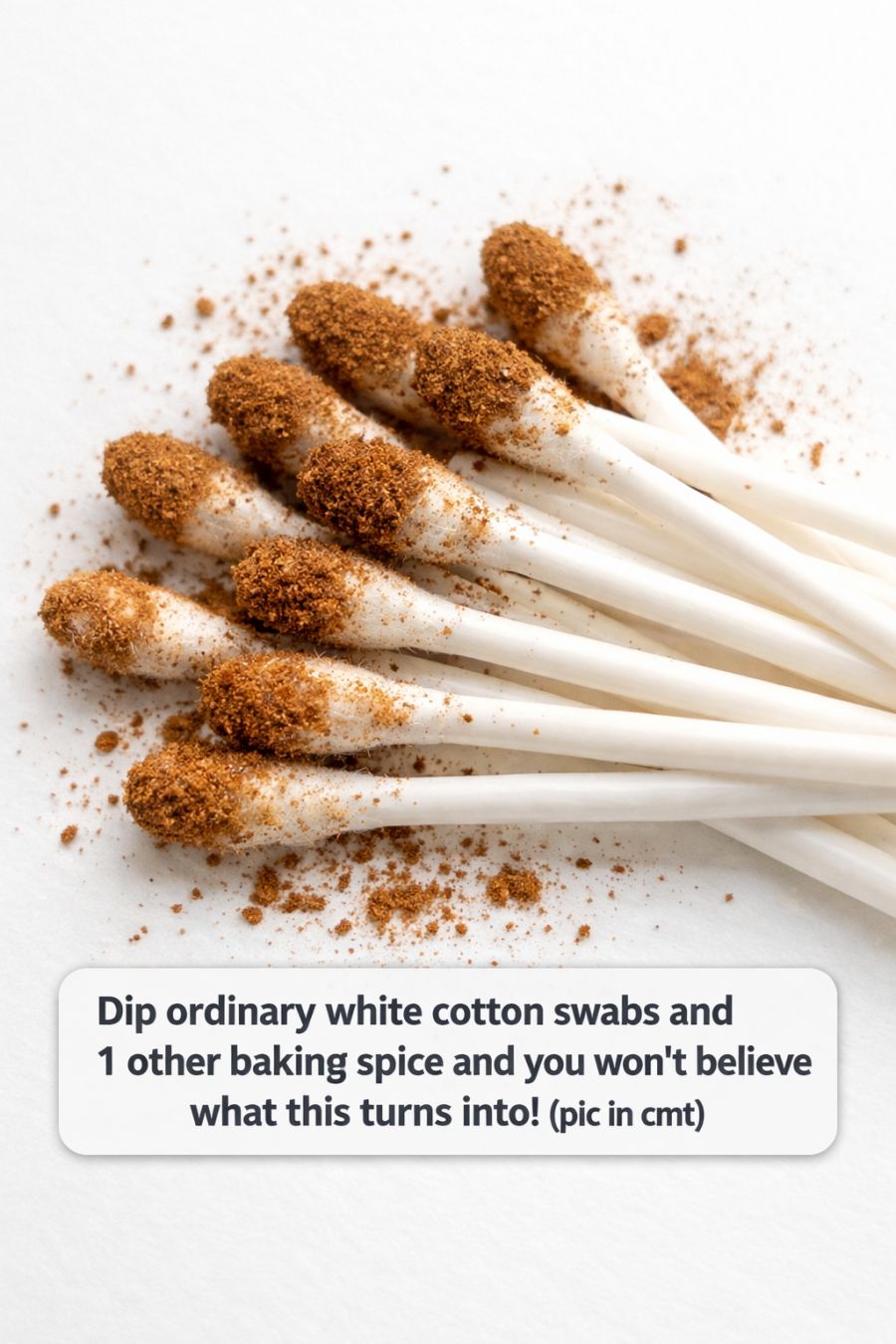
Dip ordinary white cotton swabs and 1 other baking spice and you won’t believe what this turns into!

In the world of gardening, successful pollination is key to bountiful harvests and thriving plants. However, many gardeners face challenges with fungal infections affecting their pollinators. This DIY project offers a simple and effective solution by creating fungal-resistant hand pollinators using just two materials. Ideal for those looking to enhance their garden’s health and yield, … Read more

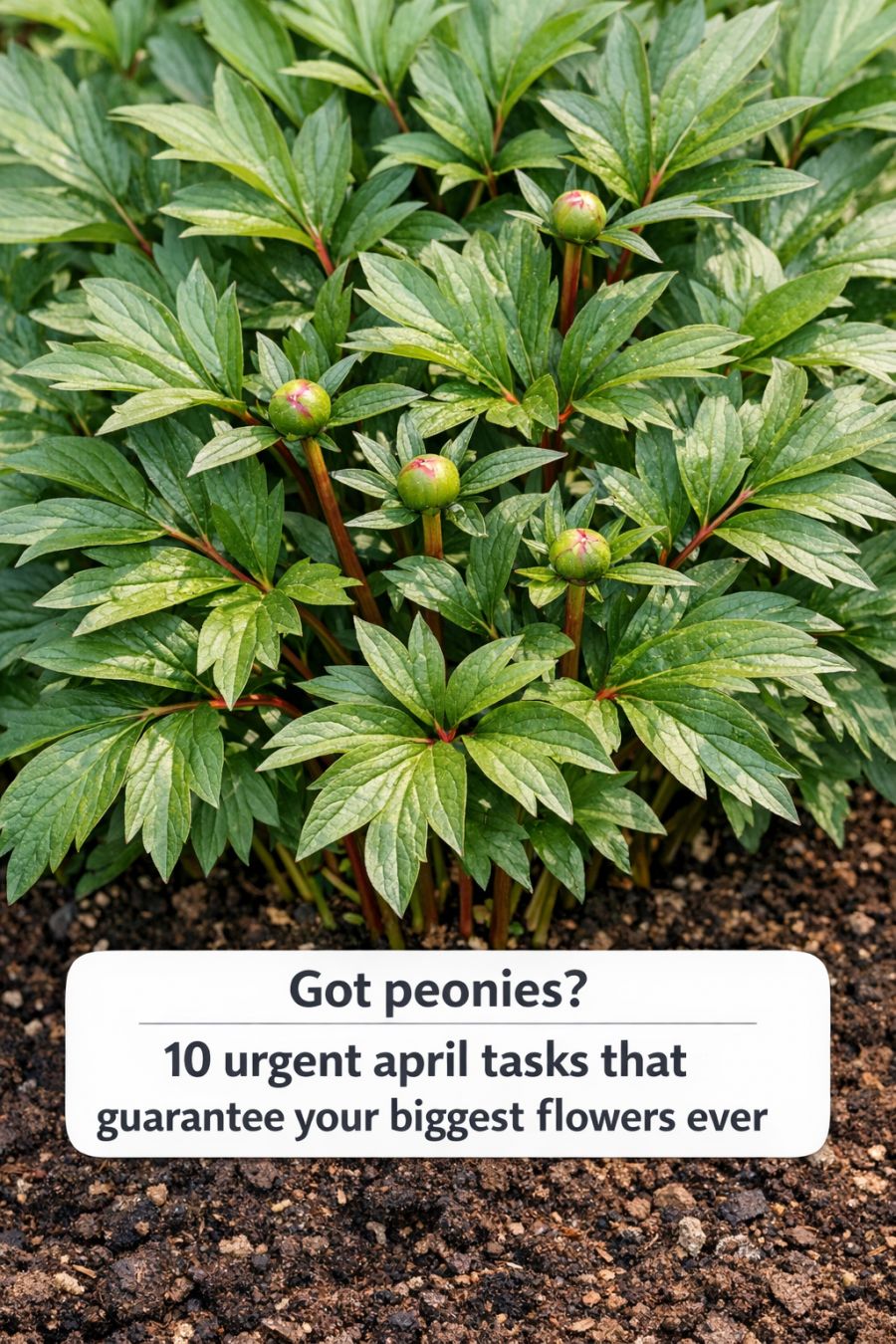
Peonies are the crown jewels of the spring garden, known for their lush, romantic blooms and intoxicating fragrance. But getting those jaw-dropping flowers requires some strategic April tasks to set the stage for a spectacular show. Whether you’re a seasoned gardener or a peony newcomer, April is the perfect time to prepare your peony plants for a bountiful bloom season. In this article, we’ll outline ten urgent tasks that every peony grower should tackle in April to ensure their plants produce the biggest, most beautiful blooms possible. From health checks to strategic feeding, each step is designed to address the specific needs of peonies as they emerge from winter dormancy. Let’s dive into the details and get your peonies ready to impress! 1. Start With A Spring Health Check Of Every Peony Begin your peony care routine with a thorough health check. Look for any signs of disease or damage that may have occurred over the winter. Inspect the crowns for rot or soft spots, which can indicate fungal problems. Check that the buds are firm and healthy; any that are discolored or mushy should be removed. This is also a good time to cut back any dead stems to about one inch above the ground. Take note of any plants that seem weaker or less vigorous than others. These may require extra attention during the growing season. Make a note of any peonies that might need to be divided or transplanted, as crowding can reduce bloom size and plant health. 2. Clear Winter Debris So Sun And Air Reach The Buds Clear away any leaves, mulch, or other debris that may have accumulated around your peonies over the winter. This will help prevent fungal diseases by allowing air to circulate freely around the plants. Be careful not to damage emerging shoots as you work. Removing debris also helps the soil warm up faster, encouraging early growth and bud development. Aim to clear a circle of about 12 to 18 inches in diameter around each plant. This will ensure that the buds receive plenty of sunlight, which is crucial for strong, healthy growth. 3. Feed For Giant Blooms: The Exact April Fertilizer Formula In April, it’s time to start feeding your peonies with a balanced fertilizer to promote strong growth and large blooms. Apply a slow-release granular fertilizer with a ratio of 10-10-10 or similar, following the manufacturer’s instructions for application rates. Sprinkle the fertilizer evenly around the base of each plant, being careful not to let it touch the stems or leaves, as this can cause burning. Water the area thoroughly after applying the fertilizer to help it penetrate the soil and reach the roots. This will provide your peonies with the nutrients they need to produce their biggest flowers yet. 4. Divide Or Transplant Crowded Clumps Before Growth Explodes If your peonies have been in the same spot for several years, they may be overcrowded. April is the perfect time to divide or transplant them before new growth becomes too vigorous. Carefully dig up the clump, taking care to preserve as much of the root system as possible. Use a sharp knife or spade to divide the clump into sections, ensuring that each section has at least three to five eyes or buds. Replant the divisions at the correct depth, with the eyes no more than 1 to 2 inches below the soil surface. Water the newly planted divisions well to help them establish quickly. 5. Fix Planting Depth Mistakes That Are Killing Your Flower Count Peonies are particularly sensitive to planting depth, and incorrect depth can lead to poor blooming. If your peonies are not producing well, check the planting depth. The buds or ‘eyes’ should be no more than 1 to 2 inches below the soil surface. If necessary, carefully dig up the plant and adjust the planting depth. Add or remove soil as needed to position the eyes correctly. Replant and water thoroughly. Correcting planting depth can significantly improve bloom production and overall plant health. 6. Install Stealth Support Now So Stems Never Flop Later Peony stems are notorious for flopping over when the heavy blooms develop. Install support structures early in the season to prevent this. Use peony rings or simple stakes and twine to support the stems. Place the supports around the plant while the stems are still short, about 6 to 12 inches tall. This way, the supports will be hidden by the foliage as the plant grows, maintaining a natural appearance while ensuring the blooms stay upright. 7. Master April Watering To Build Huge, Bud-Heavy Stems Consistent watering is crucial for developing strong stems and large blooms. In April, as the weather warms, ensure your peonies receive about 1 inch of water per week, either from rainfall or supplemental watering. Water deeply and infrequently to encourage deep root growth. Avoid overhead watering, which can promote fungal diseases. Instead, use a soaker hose or drip irrigation to deliver water directly to the soil. Proper watering will help your peonies develop healthy, bud-heavy stems. 8. Ruthlessly Weed And Mulch To Eliminate Bloom Competition Weeds compete with peonies for nutrients, water, and sunlight, so it’s important to keep them under control. In April, weed your peony beds thoroughly, removing all weeds by the roots to prevent regrowth. Once the area is weed-free, apply a 2 to 3-inch layer of organic mulch, such as shredded bark or compost, around the plants. Mulch will help suppress weeds, retain soil moisture, and regulate soil temperature. Just be sure to keep mulch a few inches away from the stems to prevent rot. 9. Pinch, Thin, Or Disbud For Fewer But Massive Flowers To produce fewer but larger blooms, consider pinching or disbudding your peonies. Remove side buds, leaving only the central bud on each stem. This technique directs the plant’s energy into fewer flowers, resulting in larger blooms. Pinching should be done when the buds are small and easy to remove. Be gentle to avoid damaging the main stem. This practice is particularly beneficial for exhibition peonies, where size and form are prioritized. 10. Protect Tender Shoots From Late Frosts And Sneaky Pests April can be a tricky month with unexpected frosts. Keep an eye on the weather forecast and be prepared to cover your peonies with frost cloth or old sheets if a late frost is predicted. This will protect the tender shoots and developing buds from cold damage. Additionally, keep an eye out for pests such as aphids and slugs, which can damage young growth. Use organic pest control methods, like neem oil or handpicking, to keep these pests in check. Protecting your peonies from frost and pests will ensure healthy growth and vibrant blooms.

Peonies are the crown jewels of the spring garden, known for their lush, romantic blooms and intoxicating fragrance. But getting those jaw-dropping flowers requires some strategic April tasks to set the stage for a spectacular show. Whether you’re a seasoned gardener or a peony newcomer, April is the perfect time to prepare your peony plants … Read more

Aunt linda brings these to every egg hunt and somehow the tray is empty before the first round is over.

Every spring, my sister-in-law Linda shows up to the church egg hunt with a metal muffin tin full of these carrot cake cupcakes, still warm, sitting on her old speckled beige countertop before she packs them up. By the time the kids line up for the very first round, that tray is mysteriously empty—grandpas, aunts, … Read more