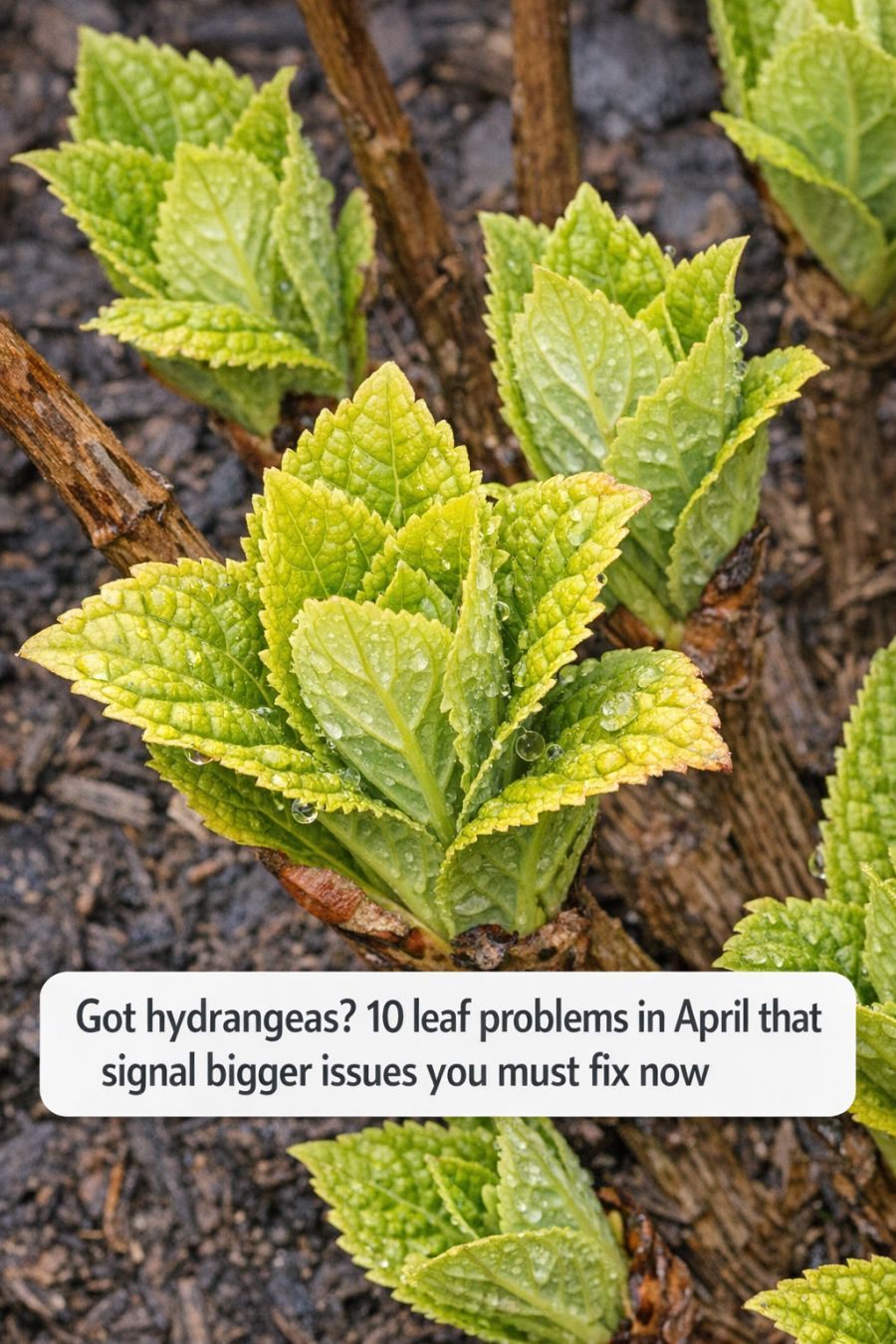
Hydrangeas are beloved for their lush blooms and vibrant colors, making them a staple in many gardens. However, these beautiful plants can face numerous challenges, especially as spring unfolds. April is a critical month for hydrangeas as they begin to emerge from dormancy and prepare for the growing season. During this time, paying close attention to the health of their leaves can help prevent more significant issues down the line.
Leaves are often the first indicators of a plant’s health. If you’re noticing unusual changes in your hydrangea leaves, it’s crucial to act quickly. By addressing these signs early, you can ensure your hydrangeas remain strong and beautiful throughout the year. In this article, we’ll explore ten common leaf problems you might encounter in April and what they could mean for your garden.
1. Yellowing Leaves: Early Chlorosis That Points To Nutrient Imbalances
Yellowing leaves, or chlorosis, often indicate a nutrient imbalance in your hydrangeas. This condition typically stems from a lack of essential nutrients such as nitrogen, iron, or magnesium. To determine the specific deficiency, soil testing is recommended. A soil test can reveal pH levels and nutrient content, allowing for precise amendments. For instance, hydrangeas prefer slightly acidic soil with a pH of 5.5 to 6.5. If the pH is too high, it can lock out iron, leading to yellowing leaves. To remedy this, apply a balanced fertilizer formulated for acid-loving plants and consider using chelated iron supplements if necessary.
2. Crispy Brown Edges: Leaf Scorch From Too Much Sun Or Wind
Crispy brown edges on hydrangea leaves often result from leaf scorch, caused by excessive sun exposure or strong winds. Hydrangeas thrive in partial shade, receiving about 4-6 hours of morning sun with afternoon shade. If they’re in full sun, consider moving them to a shadier spot or providing a temporary shade structure during peak sunlight hours. Additionally, strong winds can exacerbate the drying effects of the sun, so planting hydrangeas in sheltered locations can help minimize stress. Regular watering, ensuring the soil is consistently moist but not waterlogged, can also prevent leaf scorch.
3. Drooping, Limp Foliage: Water Stress You Can’t Ignore
Drooping or limp foliage is a classic sign of water stress, which could be due to either overwatering or underwatering. Hydrangeas require consistent moisture, but they also need well-draining soil to prevent root rot. Check the soil moisture by inserting your finger into the soil about 2 inches deep. If it feels dry, it’s time to water. However, if it’s soggy, you may need to improve drainage or reduce watering frequency. Mulching around the base of the plant can help retain soil moisture and regulate temperature, reducing water stress.
4. Black Or Purple Leaf Spots: Fungal Diseases Spreading In Cool, Wet Weather
Black or purple spots on leaves are often symptoms of fungal diseases, such as leaf spot or anthracnose, which thrive in cool, wet conditions. To prevent these diseases, ensure good air circulation by properly spacing plants and pruning overcrowded branches. Remove and dispose of affected leaves to limit the spread of spores. Fungicidal sprays can be effective, especially if applied early in the disease’s development. Avoid overhead watering to keep foliage dry, and water plants at their base instead.
5. White Powdery Coating: Mildew That Signals Poor Airflow
A white powdery coating on leaves is a sign of powdery mildew, a common fungal disease that thrives in humid conditions with poor airflow. To combat mildew, improve air circulation by pruning excess growth and ensuring adequate spacing between plants. Applying fungicides specifically for powdery mildew can help control severe cases. Regularly inspect plants for early signs and remove affected leaves promptly. Additionally, watering plants in the morning allows foliage to dry quickly, reducing the likelihood of mildew development.