
Take care not to over-fertilize, as excessive nitrogen can lead to lush foliage at the expense of fruit production. Monitor plant growth and adjust feeding as needed to maintain a balance between foliage and fruit.
7. Use Simple Propagation Tricks To Multiply Plants And Extend Your Patch
Propagating strawberries through runners is an effective way to expand your patch. As plants mature, they produce runners that can be rooted in soil to create new plants. Allow a few runners per plant to root naturally in the garden or in small pots filled with potting soil.
Once the new plants are established, sever the runner from the parent plant. Transplant the new plants to a designated area of your garden or use them to fill gaps in your existing patch. This propagation method ensures a continuous supply of productive plants.
8. Protect Blossoms And Fruit From Frost, Pests, And Disease
Strawberry plants are susceptible to frost, pests, and diseases, which can damage blossoms and reduce yields. Protect plants from late spring frosts by covering them with row covers or frost blankets on cold nights.
Monitor plants for pests such as aphids and slugs, and use organic pest control methods when necessary. Maintain good air circulation and remove any infected leaves or fruits to prevent the spread of diseases like powdery mildew or gray mold.
9. Prune, Pinch, And Renovate Plants To Keep Them Producing For Years
Regular maintenance of strawberry plants is essential to encourage longevity and productivity. After the fruiting season, remove old leaves to prevent disease and improve air circulation.
Pinch off any flowers that appear during the first few weeks after planting to direct energy towards root development. Renovation of the strawberry bed involves trimming back plants and thinning out crowded areas to promote new growth and prepare for the next season.
10. Time Your Picking And Handling For The Sweetest, Longest-Lasting Berries
Harvest strawberries when they are fully ripe, as they do not continue to ripen after picking. Look for berries that are uniformly red and have a sweet aroma. Early morning is the best time to pick, as berries are cool and less likely to bruise.
Handle berries gently and avoid stacking them to prevent damage. Store unwashed berries in the refrigerator to extend their shelf life, washing them only before consumption.
11. Store, Preserve, And Replant Runners To Lock In Your Infinite Harvest
To enjoy strawberries year-round, consider preserving them through freezing, drying, or making jams. For freezing, wash and hull the berries before spreading them in a single layer on a baking sheet. Once frozen, transfer them to airtight containers.
Save any extra runners to replant in the fall or the following spring. By continually propagating new plants and maintaining your garden, you can ensure an ongoing supply of delicious strawberries season after season.
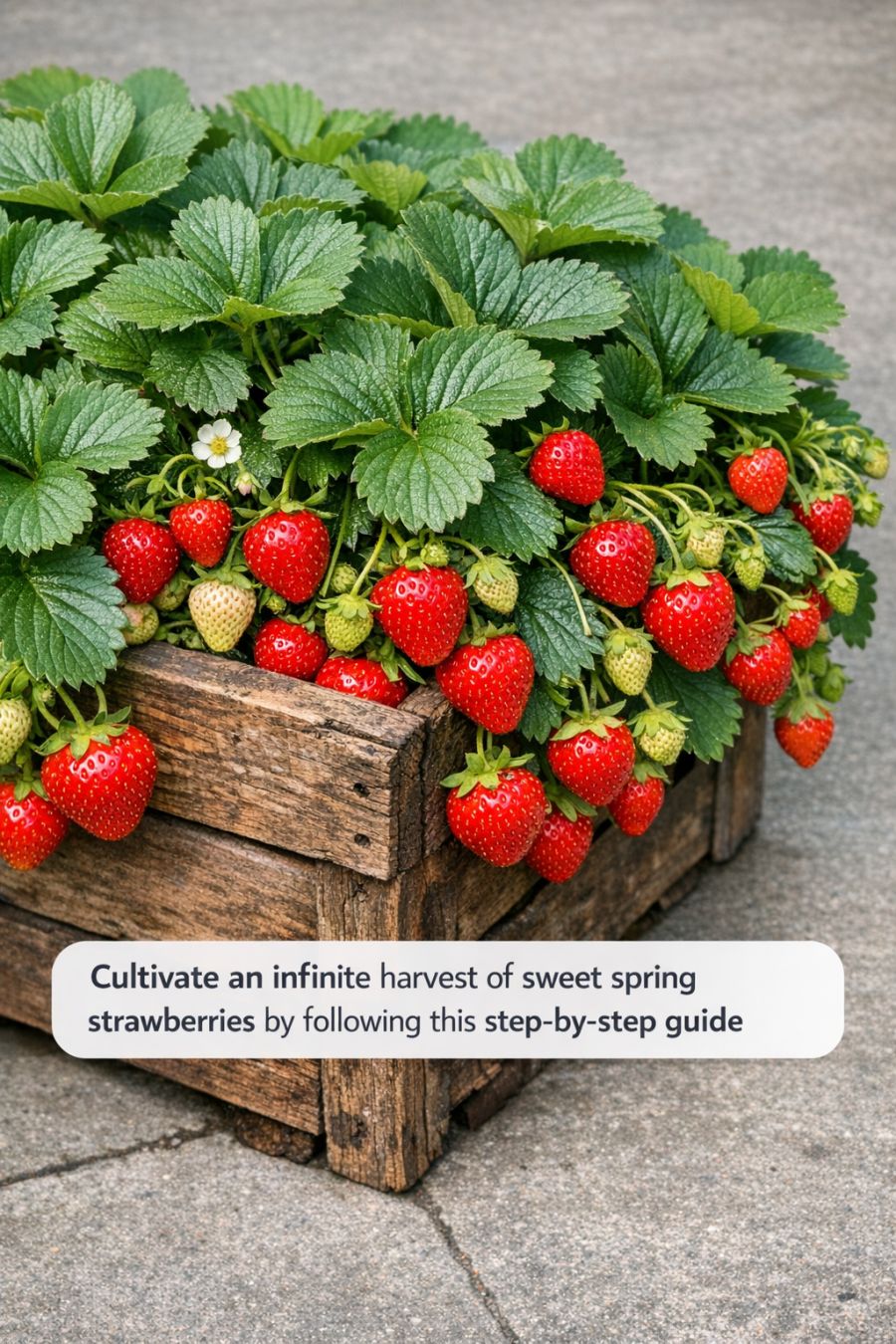
Cultivate an infinite harvest of sweet spring strawberries by following this step-by-step guide
Pages: 1 2
