
When using water sprays, aim the hose at the base of the plant and gently increase the pressure to wash away the foam. Always test any spray on a small area of the plant first to ensure it does not cause harm. Avoid using harsh chemicals, as they can damage your plants and disrupt the garden ecosystem.
7. Natural Predators and Wildlife That Benefit From Spittlebugs
Spittlebugs, while a nuisance to some gardeners, play a role in the ecosystem by serving as a food source for various predators. Birds, spiders, and predatory insects, such as ladybugs and lacewings, feed on spittlebugs and help keep their populations in check.
Encouraging these natural predators by providing a diverse garden habitat can help manage spittlebug populations naturally. Planting a variety of flowering plants and providing shelter can attract beneficial wildlife, promoting a balanced ecosystem in your garden.
8. How to Prevent Heavy Spittlebug Infestations Next Season
Preventing heavy spittlebug infestations involves a combination of garden maintenance and natural control methods. Regularly inspecting your plants for early signs of infestation allows for timely intervention. Pruning and removing debris from around the base of plants can reduce hiding places for adult spittlebugs.
Companion planting with species known to repel spittlebugs, such as marigolds and chrysanthemums, can also help. Maintaining healthy soil and providing adequate water and nutrients will strengthen your plants, making them less susceptible to pest damage.
9. Signs Your Lavender Is Actually in Trouble—and What to Do
While spittlebug foam is not typically harmful, it’s essential to monitor your lavender for signs of stress or disease. Symptoms such as yellowing leaves, wilting, or stunted growth may indicate underlying issues that need attention.
If you notice these signs, assess the overall growing conditions, including soil quality, water levels, and light exposure. Amend the soil if necessary, ensure proper drainage, and adjust watering practices. In cases of severe plant stress, consider consulting a professional gardener for advice tailored to your specific situation.
10. Common Myths About ‘Spit’ on Plants, Debunked
One common myth is that spittlebug foam is a sign of disease or contamination. In reality, it is a harmless byproduct of insect activity. Another misconception is that spittlebugs will kill your plants, but as discussed, they generally cause little damage.
Some believe that using strong chemical pesticides is necessary to eliminate spittlebugs. However, these methods can harm beneficial insects and disrupt the garden ecosystem. Understanding the true nature of spittlebug foam is key to managing it effectively without resorting to drastic measures.
11. When to Worry Enough to Call in a Gardening Expert
While most spittlebug issues can be managed with simple home remedies, there are situations where expert help may be necessary. If your lavender shows severe signs of stress, such as extensive dieback or failure to thrive despite adequate care, it may be time to consult a professional.
A gardening expert can help diagnose complex problems, such as nutrient deficiencies or pest interactions, that may not be immediately apparent. Seeking expert advice can provide peace of mind and ensure the health and longevity of your lavender plants.
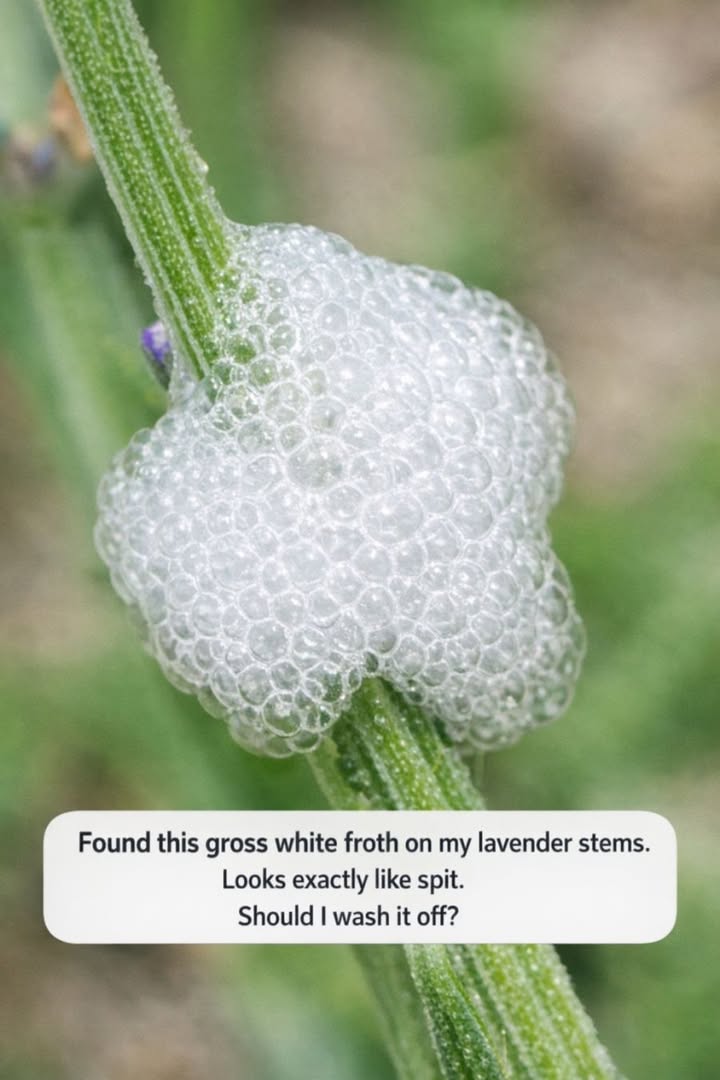
Found this gross white froth on my lavender stems. Looks exactly like spit. Should I wash it off?
Pages: 1 2
