
Coneflowers, known for their vibrant colors and resilient nature, are a favorite among gardeners and pollinators alike. These hardy perennials not only add a splash of color to any garden but also serve as an essential food source for bees, butterflies, and other beneficial insects. As we step into April, it’s the perfect time to give your coneflowers the care they need to thrive and attract an abundance of pollinators all season long.
Transforming your coneflower patch into a pollinator haven requires a combination of timely maintenance, strategic planting, and thoughtful gardening practices. Whether you’re a seasoned gardener or new to cultivating these stunning flowers, following these eight essential steps will ensure your garden becomes a buzzing oasis of life and color.
1. Start With a Post-Winter Health Check of Your Coneflowers
Begin your April coneflower care routine with a thorough health check. Inspect the plants for any signs of disease or pest damage that may have occurred over the winter months. Look for discolored or wilting leaves, unusual spots, and any signs of rot around the plant’s base. Remove any debris from around the plants to reduce the risk of disease and pests.
Check the soil moisture and drainage as well. Coneflowers thrive in well-drained soil and may suffer if the soil is too compact or waterlogged. If necessary, aerate the soil gently around the base of the plants to improve airflow and drainage, being careful not to disturb the roots.
2. Cut Back Old Stems to Signal Fresh Blooms for Pollinators
In early April, cut back the old, dead stems of your coneflowers to encourage new growth. Use clean, sharp pruning shears to trim the stems down to about 2-3 inches above ground level. This not only tidies up the appearance of your garden but also signals the plant to focus its energy on producing fresh blooms.
By removing the old growth, you help the plant channel nutrients to developing buds, ensuring a robust display of flowers that are rich in nectar, thereby attracting more pollinators. Be sure to dispose of the cuttings properly to prevent the spread of any diseases.
3. Divide and Replant Crowded Clumps to Boost Flower Power
If your coneflowers have been in the same spot for several years, they may benefit from division. Overcrowded clumps can lead to reduced flowering and increased susceptibility to disease. To divide, carefully dig around the clump with a spade, lifting it from the ground.
Gently separate the clump into smaller sections, ensuring each has a healthy portion of roots and shoots. Replant these divisions at least 12-18 inches apart to allow ample space for growth. This not only revitalizes the plants but also increases the overall flower production, making your garden even more appealing to pollinators.
4. Enrich the Soil Now With Compost for Nectar-Rich Blooms
Feeding your coneflowers with nutrient-rich compost in April sets the stage for a season full of vibrant, nectar-rich blooms. Spread a 1-2 inch layer of well-decomposed compost around the base of each plant, taking care not to cover the crown.
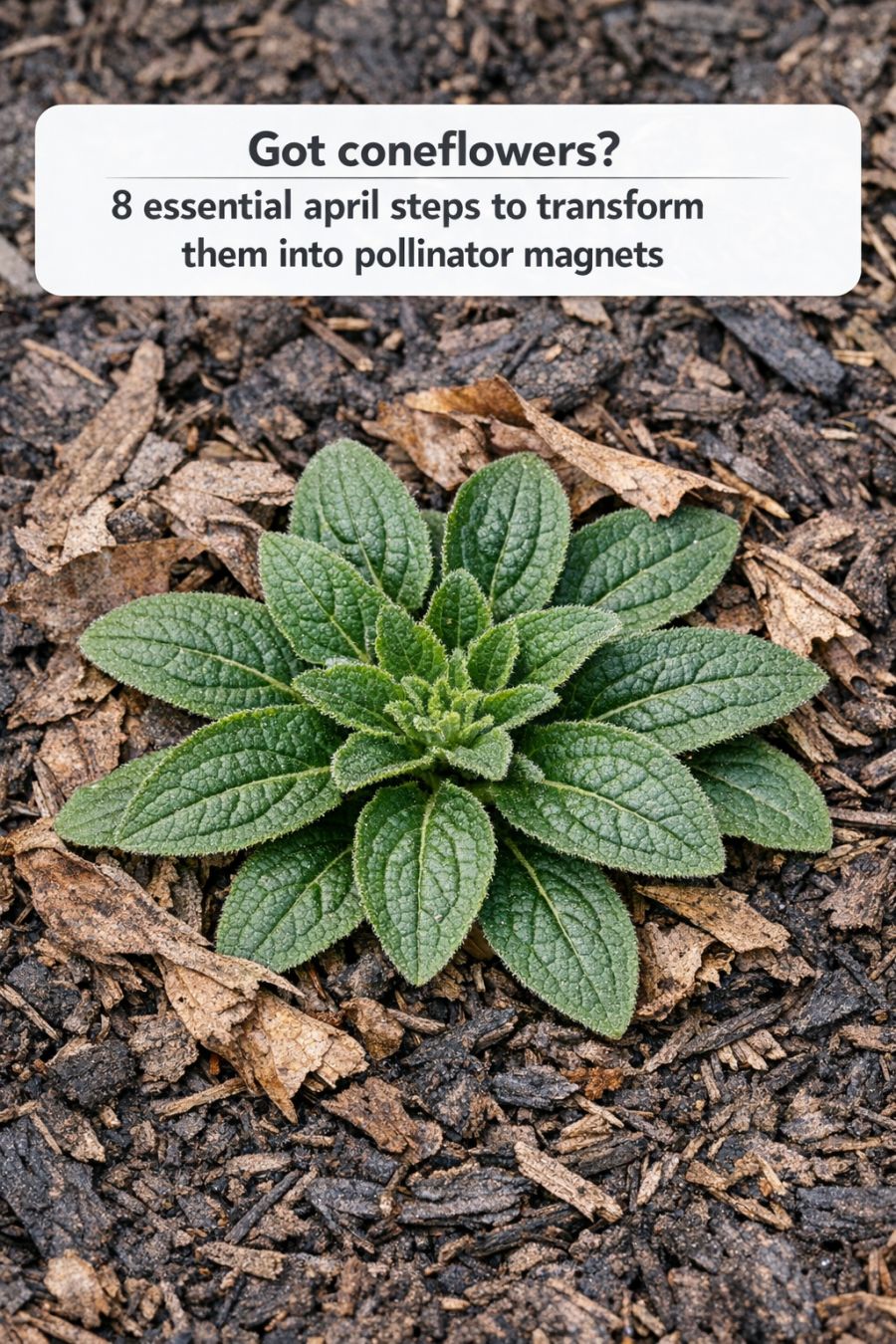
Got coneflowers? 8 essential april steps to transform them into pollinator magnets
Pages: 1 2
