
Compost improves soil structure, enhances moisture retention, and provides essential nutrients that promote healthy plant growth. As the compost breaks down, it releases a steady supply of nutrients that help produce flowers with abundant nectar, attracting more pollinators to your garden.
5. Water Deeply but Infrequently to Build Drought-Hardy Plants
Coneflowers are adapted to withstand periods of drought, but they benefit from deep, infrequent watering, especially during their active growing season. In April, ensure your coneflowers receive about 1 inch of water per week, either from rainfall or supplemental irrigation.
Water deeply to encourage deep root growth, which helps the plants become more drought-tolerant. Avoid frequent, shallow watering, which can lead to weak root systems and increased susceptibility to disease. By establishing a strong root system, your coneflowers will be better equipped to withstand dry spells while continuing to support pollinators.
6. Add Companion Plants That Extend the Pollinator Buffet
Enhance the attractiveness of your coneflower garden by planting companion plants that offer a continuous food source for pollinators. Consider adding plants like bee balm, black-eyed Susan, and salvia, which bloom at different times and provide an extended nectar buffet.
Choose a variety of plants with overlapping bloom periods to ensure a constant supply of food for pollinators throughout the growing season. This diversity not only attracts a wider range of pollinators but also enhances the overall beauty and resilience of your garden ecosystem.
7. Skip the Sprays: Create a Pesticide-Free Safe Zone
To protect pollinators, it’s crucial to maintain a pesticide-free environment around your coneflowers. Many chemical sprays can harm beneficial insects, even if they’re not directly targeting them. Instead of using pesticides, focus on natural pest control methods.
Encourage natural predators like ladybugs and lacewings by providing habitat and food sources. Hand-pick pests when you see them, and use organic solutions like neem oil or insecticidal soap only when absolutely necessary. By avoiding chemical sprays, you create a safe haven for pollinators, allowing them to thrive in your garden.
8. Install Bee- and Butterfly-Friendly Features Around Your Patch
Enhance your garden’s appeal to pollinators by adding features that support their needs. Consider installing a shallow water dish filled with pebbles for bees to safely drink from, and plant a variety of native flowering plants to provide additional food sources.
Incorporate butterfly houses or bee hotels to offer shelter and nesting sites for these valuable insects. These additions not only make your garden more attractive to pollinators but also create a more dynamic and engaging landscape for you to enjoy as well. By accommodating the needs of pollinators, you contribute to the health and diversity of your local ecosystem.
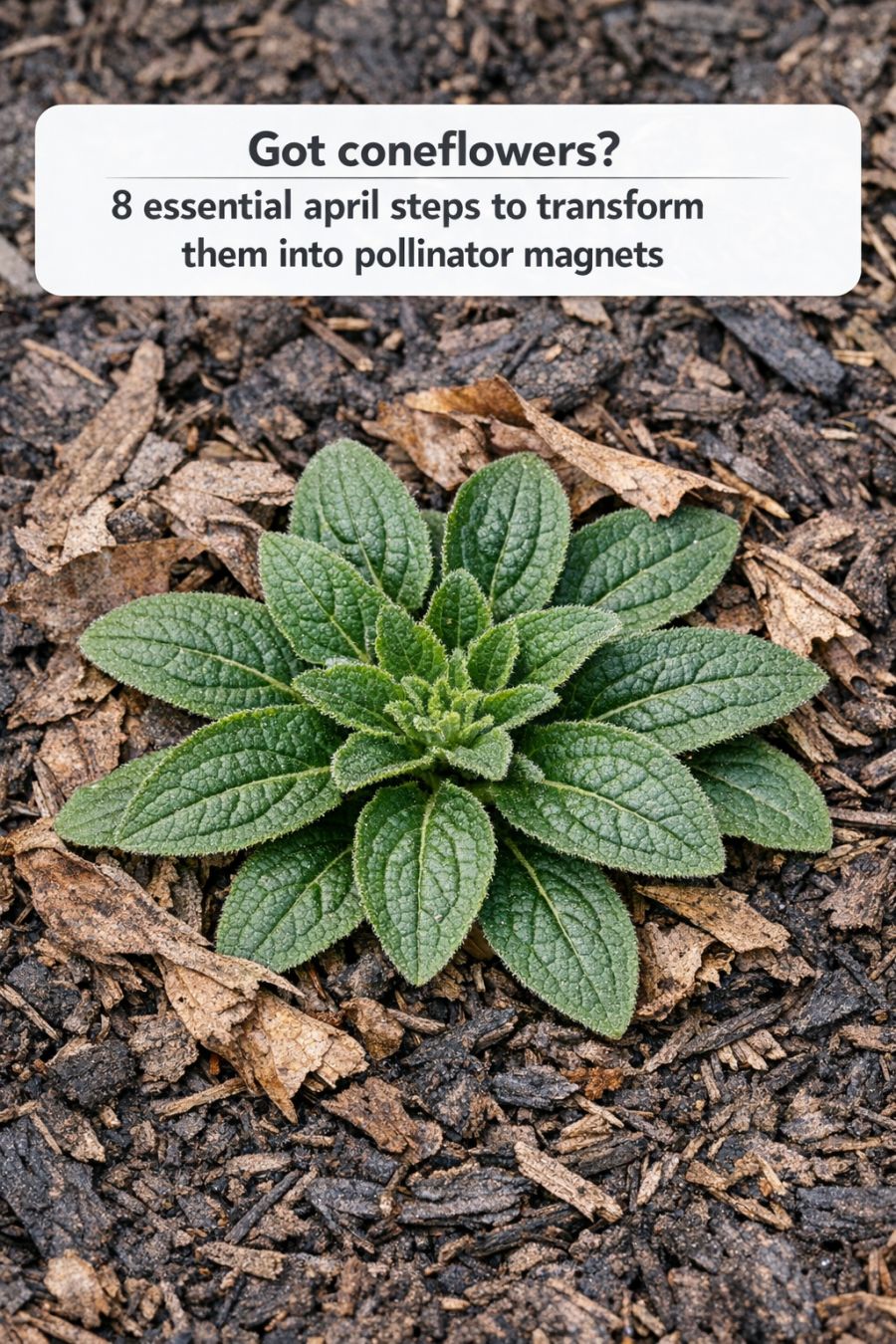
Got coneflowers? 8 essential april steps to transform them into pollinator magnets
Pages: 1 2
