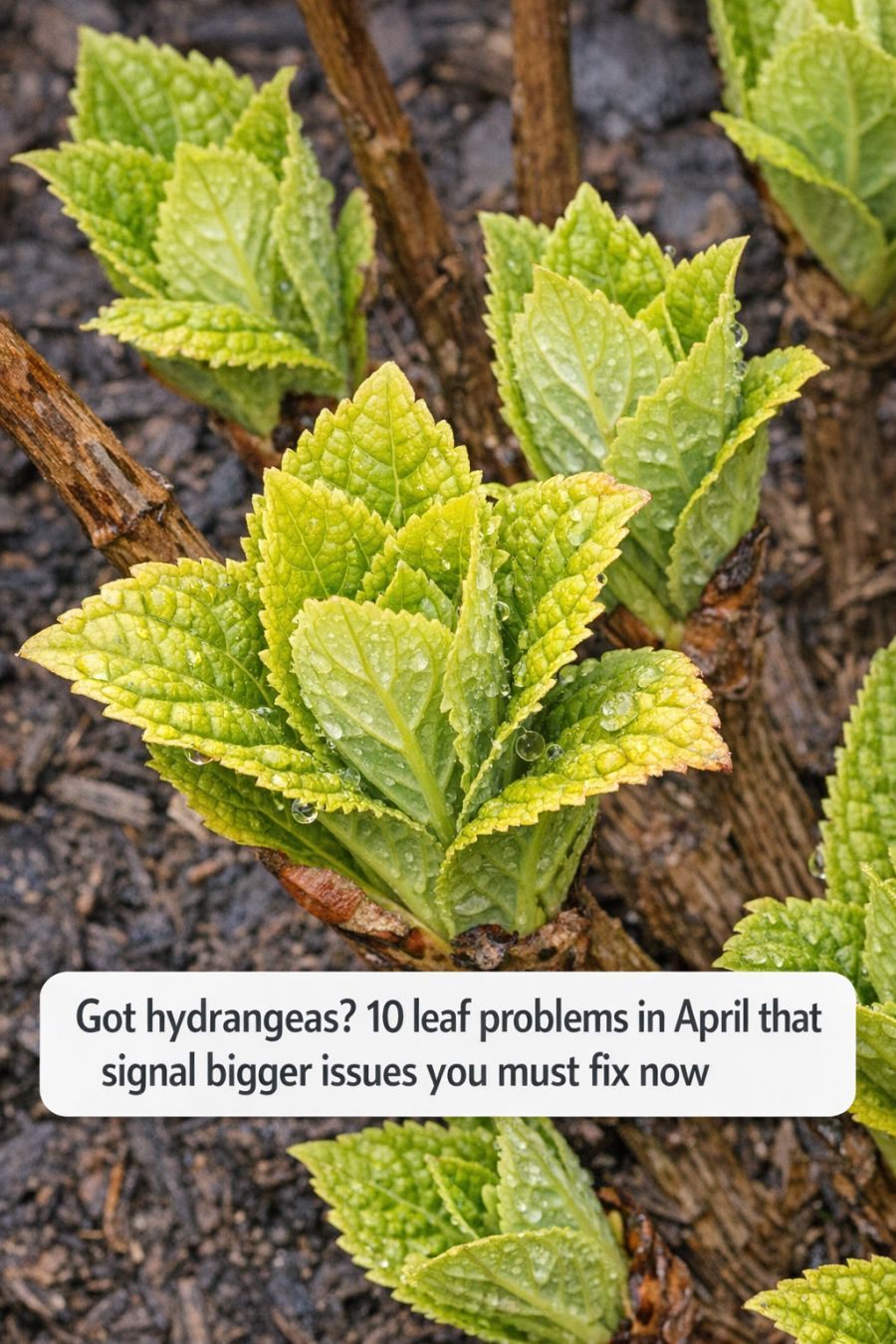
9. Pale New Growth With Dark Veins: Iron Deficiency And Wrong Soil pH
Pale new growth with dark veins is often a sign of iron deficiency, exacerbated by incorrect soil pH. Hydrangeas require slightly acidic soil to absorb iron effectively. Test the soil pH and amend as necessary using sulfur or peat moss to lower alkalinity. Applying chelated iron directly to the soil or foliage can provide a quick remedy. Regular monitoring and soil adjustments are key to maintaining optimal nutrient availability for hydrangeas.
10. Sticky, Shiny, Or Sooty Leaves: Sap-Sucking Insects Creating Bigger Problems
Sticky, shiny, or sooty leaves are indicative of sap-sucking insects like aphids, scale, or whiteflies. These insects excrete honeydew, a sticky substance that can lead to sooty mold growth, blocking sunlight and affecting photosynthesis. Control these pests by introducing natural predators, using insecticidal soaps, or applying horticultural oils. Regularly wash leaves with a strong stream of water to remove insects and honeydew deposits. Early intervention is crucial to prevent larger infestations and maintain plant health.