6. Examine Roots and Soil for Drainage Problems and Waterlogging
Irises require well-drained soil to thrive. Check the root zone and surrounding soil for signs of waterlogging or poor drainage, which can lead to rhizome rot. If you notice standing water or overly saturated soil, consider amending your garden bed with organic matter or sand to improve drainage.
Raised beds or mounds can also be an effective solution for improving drainage, particularly in areas with heavy clay soils. Ensuring proper drainage will help maintain the health of your irises and prevent moisture-related issues.
7. Hunt for Weeds, Grass Encroachment, and Competing Plants
Weeds and grass can quickly overtake iris beds, stealing nutrients and water from your plants. In April, take the time to remove any weeds or grass that have encroached on your iris patch. Hand pulling is often sufficient, but be careful not to disturb the rhizomes.
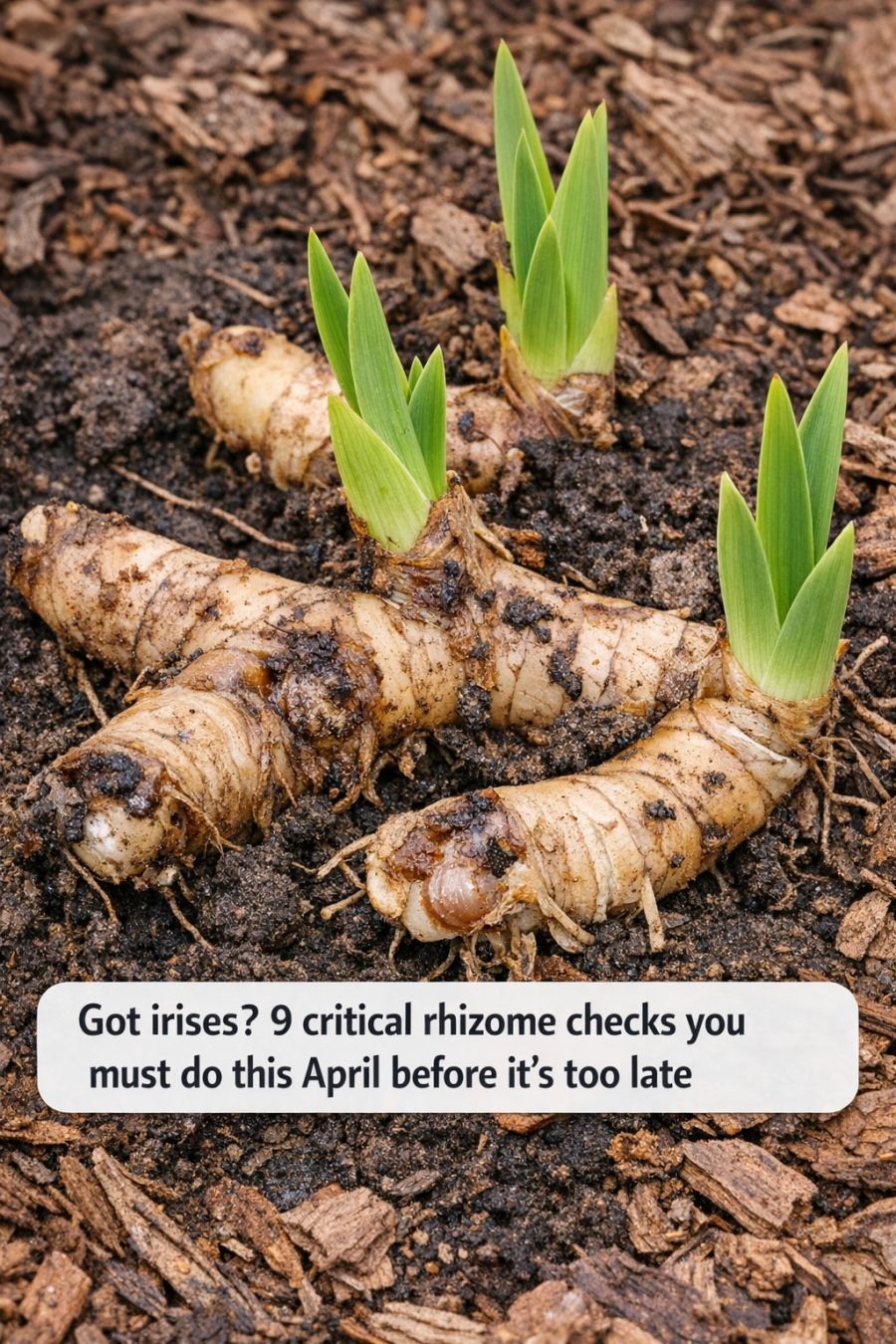
Applying a layer of mulch around your irises can help suppress weeds while retaining soil moisture. However, be cautious to keep mulch away from direct contact with the rhizomes to avoid moisture retention that could lead to rot.
8. Evaluate Foliage Cleanup and Remove Old, Dead, or Damaged Leaves
Cleaning up the foliage is an important task in preparing your irises for the growing season. Remove any old, dead, or damaged leaves to improve air circulation and reduce the risk of disease. Use clean, sharp scissors or pruners to cut the leaves near the base.
Disposing of the removed foliage away from your garden area is crucial to prevent the spread of any pests or diseases that may be present. This simple cleanup step will help your irises focus their energy on producing new growth and blooms.