
As spring approaches, garden enthusiasts eagerly anticipate the first blooms of the season, and few flowers signal the arrival of spring quite like lilacs. With their intoxicating fragrance and stunning clusters of flowers, lilacs are a beloved addition to any garden. However, ensuring a breathtaking display of blooms requires some preparation in March. By addressing a few critical tasks this month, you can set your lilacs on the path to a spectacular flowering season.
March is the perfect time to give your lilacs the care and attention they need to thrive. From pruning and shaping to soil testing and pest inspection, these tasks are not only essential for healthy growth but also for maximizing the number of blooms. Let’s delve into the eight urgent tasks that will guarantee your lilacs are the envy of the neighborhood this year.
1. Check Winter Damage And Prune For Strong, Flower-Loaded Branches
The first step in preparing your lilacs for a successful bloom is to check for any winter damage. Lilacs can suffer from broken branches due to heavy snow or ice accumulation. Examine your shrubs closely, looking for any broken or damaged branches that need to be removed.
Pruning is crucial at this stage, as it helps to promote healthy growth and encourages more blooms. Cut back any dead or diseased wood to the nearest healthy bud, and aim to remove around one-third of the old wood each year to rejuvenate the plant. This not only strengthens the shrub but also opens up the center, allowing more sunlight and air circulation, which are vital for abundant flowering.
2. Remove Suckers And Shape Shrubs To Focus Energy On Blooms
Suckers are the shoots that grow from the base of lilac shrubs or from the roots. These can sap energy from the main plant, reducing the overall vigor and bloom production. In March, carefully remove any suckers by cutting them as close to the ground as possible.
Shaping your lilac shrubs is also important to ensure that the plant focuses its energy on producing flowers rather than excessive foliage. Aim for a neat, well-balanced shape by trimming any wayward branches, and make sure the center of the plant is open and airy to prevent disease and allow light to reach all parts of the shrub.
3. Test And Amend Soil So Lilacs Get The pH They Crave
Lilacs prefer slightly alkaline soil, with a pH level between 6.5 and 7.5. Testing your soil’s pH level in March will help you determine if any amendments are needed. You can use a home test kit or send a sample to a local extension service for analysis.
If your soil is too acidic, consider adding lime to raise the pH. Follow the instructions on the lime package for the correct application rate, as this will depend on your soil type and current pH level. Amending the soil will ensure that your lilacs have the optimal conditions for nutrient uptake and bloom production.
4. Feed With The Right Fertilizer To Supercharge Bud Production
Feeding your lilacs with the right fertilizer is essential to encourage robust bud formation. In early spring, apply a balanced fertilizer, such as a 10-10-10 blend, around the base of each shrub. Be careful not to over-fertilize, as excessive nitrogen can lead to lush foliage at the expense of flowers.
A slow-release fertilizer is ideal, as it provides a steady supply of nutrients over the growing season. Follow the manufacturer’s instructions for the correct application rate, and be sure to water the fertilizer in well to help it reach the plant’s roots.
5. Water Deeply (But Not Too Much) To Wake Roots From Winter
As temperatures start to rise in March, it’s important to begin watering your lilacs to help wake their roots from their winter dormancy. Deep, infrequent watering is preferable, as it encourages the roots to grow deeper into the soil.
Water your lilacs once a week, providing enough water to moisten the soil to a depth of around 12 inches. Avoid overwatering, as lilacs do not tolerate soggy soil. Adequate watering will support new growth and ensure that your shrubs have the moisture they need to produce a bounty of blooms.
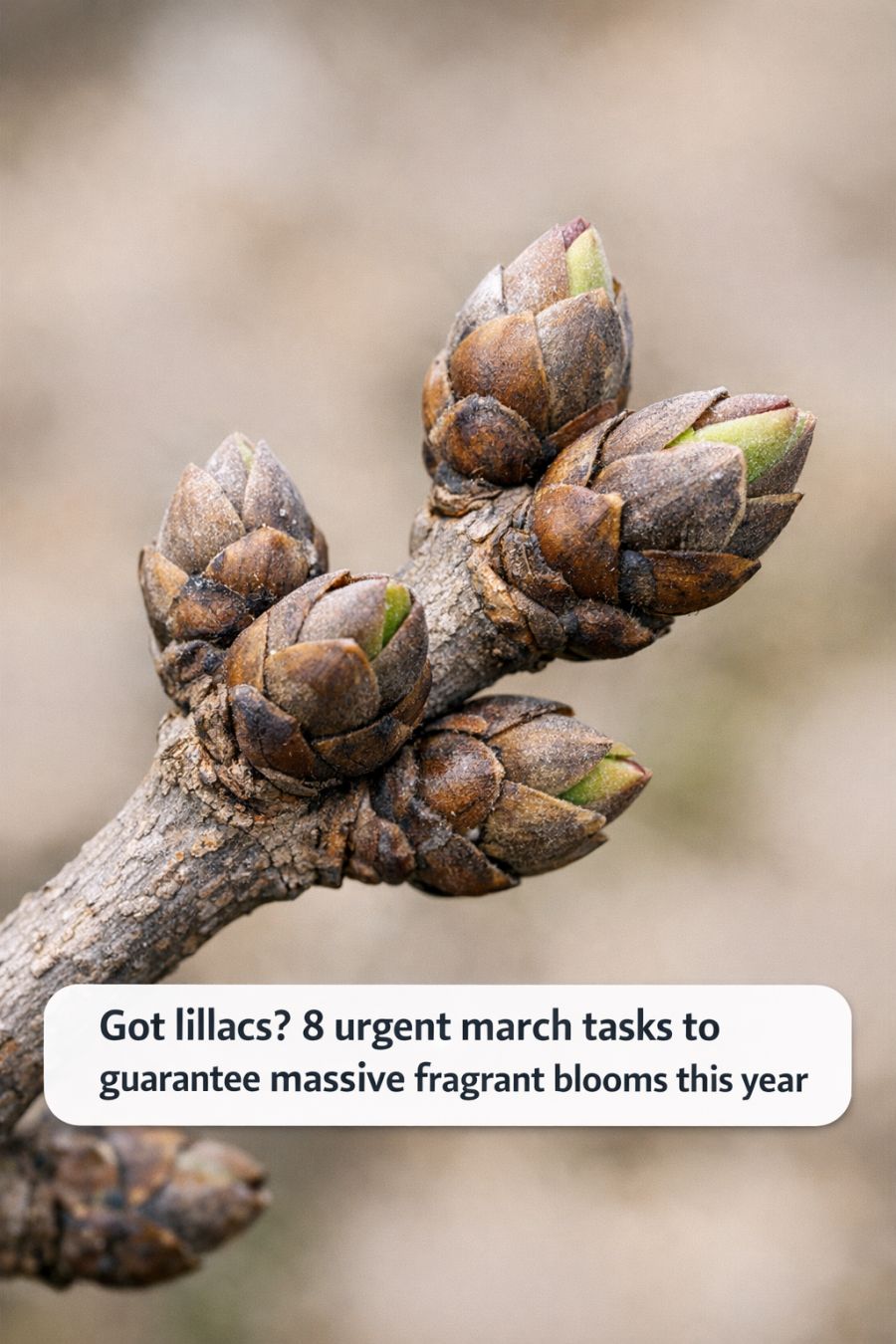
Got lilacs? 8 urgent march tasks to guarantee massive fragrant blooms this year
Pages: 1 2
