
6. Clear Mulch And Debris To Warm The Soil And Prevent Disease
Clearing away any old mulch and debris from around the base of your lilac shrubs is an important task in March. This allows the soil to warm up more quickly, encouraging new growth and reducing the likelihood of rot and disease.
Remove any fallen leaves, branches, or other debris, and replace old mulch with a fresh layer, about 2-3 inches deep. Be careful not to pile mulch directly against the stems, as this can create a breeding ground for pests and diseases.
7. Inspect For Pests And Disease Before They Steal Spring Flowers
March is the perfect time to inspect your lilacs for any signs of pest infestations or diseases that could impact their blooming potential. Common pests include aphids, borers, and scale, all of which can be treated with appropriate insecticides or natural remedies like neem oil.
Check for signs of disease, such as powdery mildew or bacterial blight, and take action as needed. Removing affected plant material and applying fungicides can help manage these issues. Early detection and treatment are key to ensuring that your lilacs remain healthy and productive.
8. Plan Post-Bloom Pruning Now To Lock In Next Year’s Flower Show
While it might seem early to think about post-bloom pruning, planning now can help ensure that you don’t miss the optimal window for this important task. Lilacs bloom on old wood, so pruning immediately after flowering is crucial for setting the stage for next year’s blooms.
Mark your calendar for late spring, right after the flowers fade, to prune your lilacs. Focus on removing spent blooms and thinning out the oldest stems to promote new growth. By planning ahead, you’ll be ready to take action at the right time, ensuring a spectacular floral display next year.
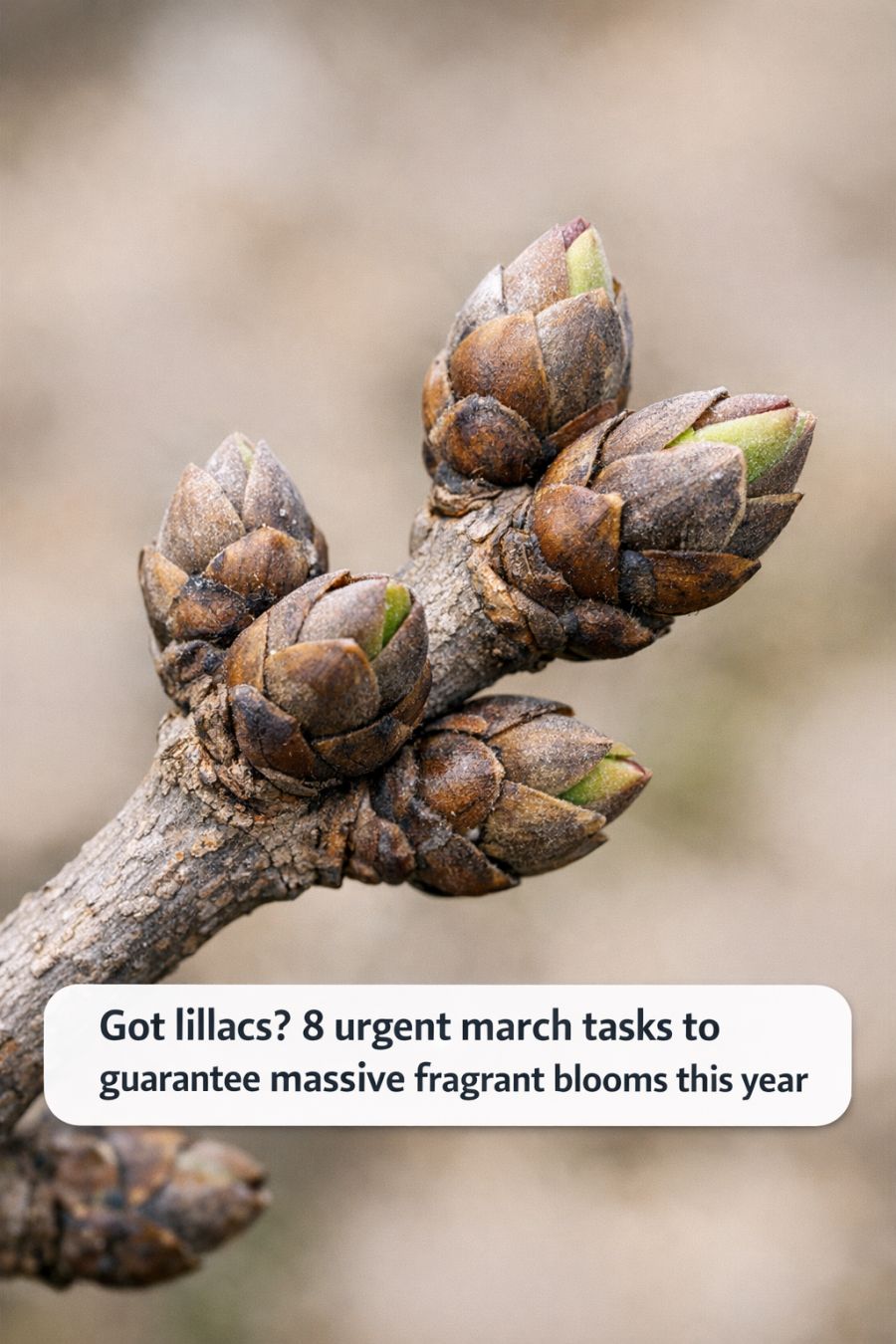
Got lilacs? 8 urgent march tasks to guarantee massive fragrant blooms this year
Pages: 1 2
