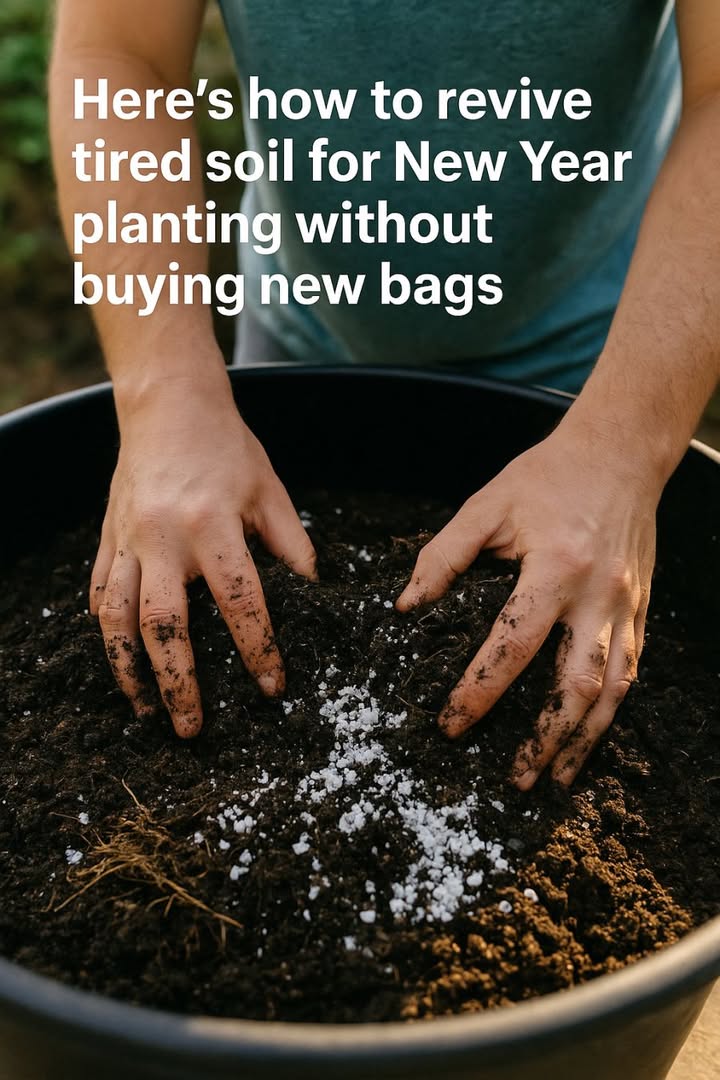
As the New Year approaches, many gardeners are eager to refresh their gardens and plan for the upcoming planting season. However, buying new bags of soil each year can be costly and unsustainable. Fortunately, reviving tired soil is a feasible and rewarding alternative. By rejuvenating the soil you already have, you can ensure a healthy garden while saving money and reducing waste.
Reviving tired soil involves a series of steps that aim to restore its structure, nutrients, and overall health. This process not only benefits your plants but also contributes to a more sustainable gardening practice. In this article, we’ll explore various methods to bring your soil back to life using simple, cost-effective techniques that utilize materials you likely already have at home.
The Case for Reviving Old Soil Instead of Buying New
Reviving old soil is a more sustainable choice compared to purchasing new bags every season. By reusing soil, you’re reducing the demand for new resources and decreasing the plastic waste associated with bagged soil. Moreover, old soil often contains beneficial microorganisms and organic matter that can be revitalized.
Financially, rejuvenating existing soil can save you money. A typical bag of quality potting soil can cost anywhere from $5 to $20 depending on the size and brand. By learning to amend and refresh your soil, you can allocate those funds towards other gardening needs such as seeds or plants.
Diagnose Your Tired Soil: Simple At-Home Checks
Before you start reviving your soil, it’s important to assess its current condition. Begin by performing a simple texture test. Take a handful of soil and moisten it slightly. Try to form it into a ball. If it holds together and then crumbles easily when poked, your soil has a good texture. If it becomes a sticky mess or crumbles immediately, it may need amendments.
Next, check for compaction by inserting a stick or screwdriver into the soil. If it meets resistance quickly, the soil is likely compacted and needs aeration. Lastly, assess drainage by pouring water on the soil surface and observing how quickly it absorbs. Slow absorption indicates poor drainage, which can suffocate roots and lead to rot.
Sift, Fluff, Repeat: The Viral Aeration Hack With a Milk Crate or Laundry Basket
To aerate and fluff your soil, try this simple hack using a milk crate or a laundry basket. Place the crate or basket over a tarp to catch any soil that falls through. Shovel tired soil into the crate and shake it gently. The small holes will help break up clumps and remove debris while allowing lighter, aerated soil to fall through.
This process not only improves soil structure by increasing its porosity but also helps to remove rocks, old roots, and other unwanted materials. Repeat this process until you have a pile of fluffy, aerated soil ready to be amended further.