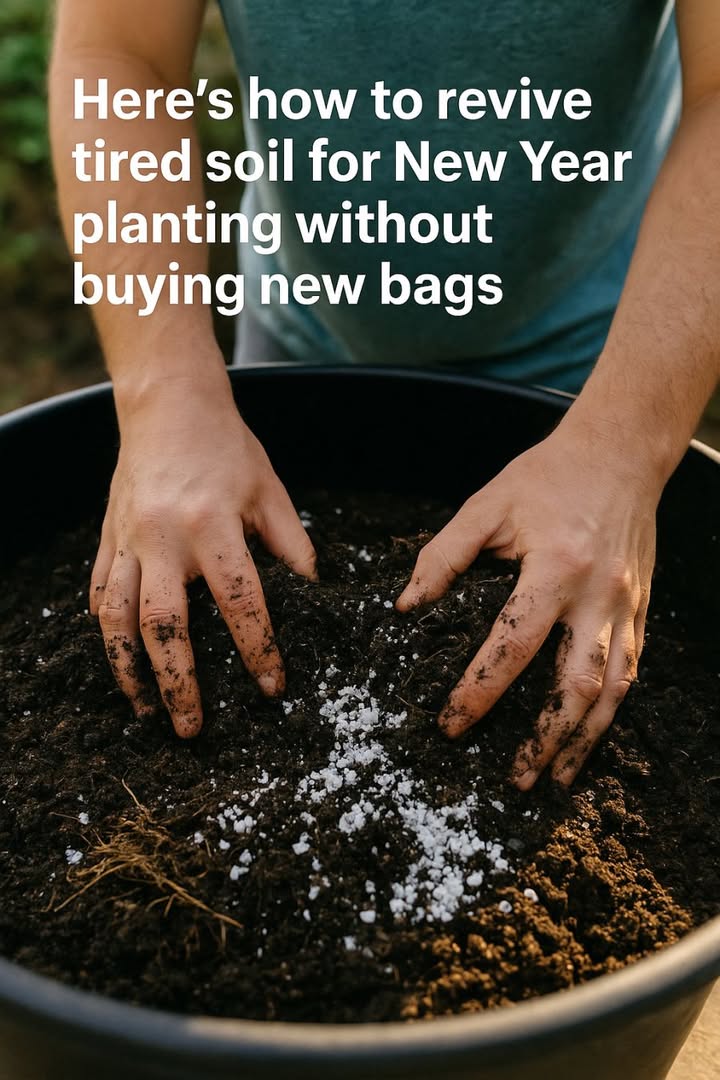
Remove Old Roots, Pests, and Debris Without Losing Good Soil
While sifting soil, you may come across old roots, pests, and debris. Removing these is crucial to prevent diseases and pest infestations in your future plantings. Handpick larger roots and debris to ensure only clean soil remains.
To deal with pests, consider spreading the soil out in a thin layer and letting it dry under the sun. This can help expose and eliminate unwanted insects. Be careful not to lose too much soil in the process by using a fine sieve for smaller particles.
Rebuild Structure With Free or Cheap Add‑Ins From Around the House
Improving soil structure is key to its revival. Common household items such as shredded newspaper, cardboard, or coconut coir can be excellent, free amendments. These materials add organic matter and help retain moisture while improving drainage.
Mix these materials thoroughly into the soil to ensure even distribution. A ratio of 3 parts soil to 1 part organic matter is a good starting point. Adjust according to the specific needs of your soil and the plants you intend to grow.
Supercharge With Kitchen Scraps: Banana Peels, Coffee Grounds, and Eggshells
Kitchen scraps are a gardener’s treasure trove. Banana peels add potassium, coffee grounds provide nitrogen, and crushed eggshells offer calcium. These nutrients are essential for plant growth and can be directly applied to the soil.
Chop banana peels into small pieces and bury them in the soil. Spread coffee grounds thinly to avoid clumping, and crush eggshells before sprinkling them over the surface. These natural fertilizers break down slowly, providing a steady nutrient supply.
Use Homemade Compost and Leaf Mold as a Slow-Release Booster
Compost and leaf mold are excellent ways to enrich your soil with nutrients and improve its structure. If you have a compost bin, use the decomposed material to top-dress your soil. This not only adds nutrients but also encourages beneficial microbial activity.
Leaf mold, made from decomposed leaves, is a great soil conditioner. It improves water retention and adds organic matter. Simply collect fallen leaves, let them decompose over a few months, and mix them into your soil for a slow-release nutrient boost.
Harness Worm Power: DIY Mini Worm Farm Right in the Pot
Worms are natural soil aerators and nutrient processors. Creating a mini worm farm in your pot is an excellent way to keep your soil healthy. Simply bury a small container with holes in the bottom in your pot, fill it with organic scraps, and add a few red worms.
The worms will break down the organic matter, releasing nutrients into the soil. This method not only keeps your soil fertile but also helps in waste reduction by using kitchen scraps effectively.
Brew Compost and Manure Teas for a Fast Nutrient Reset
Compost and manure teas are liquid fertilizers that can quickly replenish soil nutrients. To make compost tea, steep a bag of mature compost in water for 24-48 hours. For manure tea, use well-rotted manure instead. Strain the liquid and dilute it with water in a 1:10 ratio.
Apply the tea to your soil to give it an immediate nutrient boost. This method is particularly effective for container gardens, where nutrient leaching is common and regular feeding is necessary.
Balance pH on a Budget: Vinegar, Baking Soda, and Crushed Shells
Soil pH is crucial for nutrient availability. If your soil is too acidic or too alkaline, plants will struggle to absorb nutrients. Test your soil’s pH using a simple at-home kit. If it’s too acidic, sprinkle some crushed eggshells or baking soda to raise the pH.
If the soil is too alkaline, a solution of water and vinegar can help lower the pH. Start with 1 tablespoon of vinegar per gallon of water and apply it to the soil, monitoring pH changes with a test kit to avoid overcorrection.