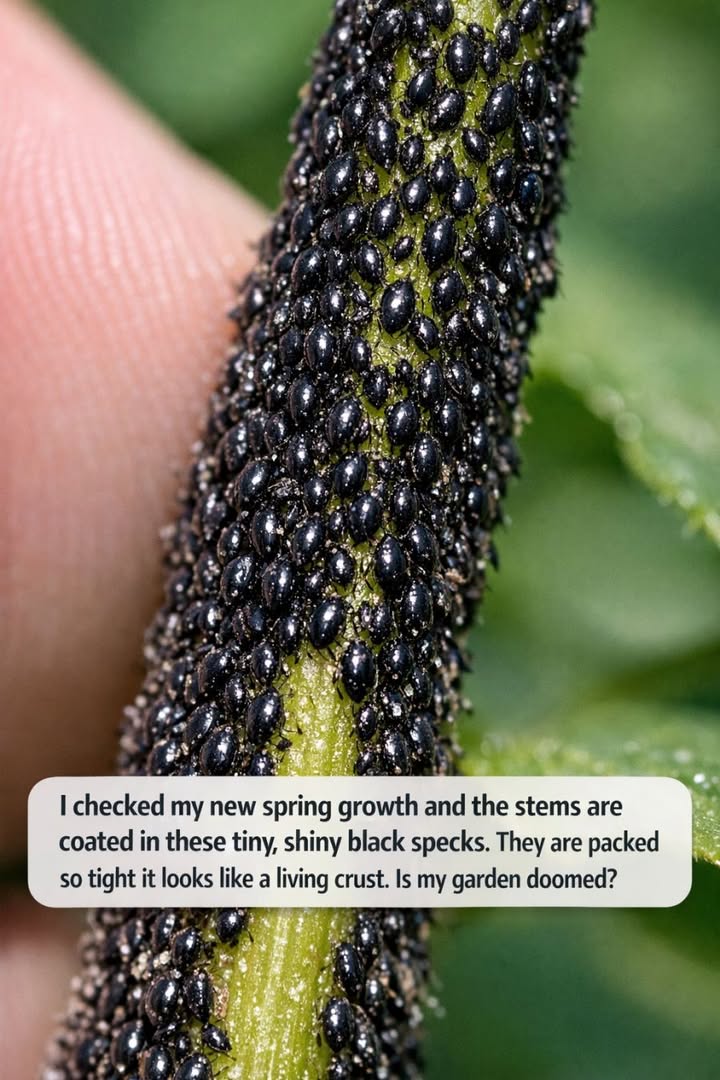
Another method is to manually squish the aphids. While time-consuming, this can be effective for small infestations. Wearing gloves, gently press the aphids against the stem or leaf. Combining these methods can help keep aphid numbers in check without resorting to harsh chemicals.
7. Natural Allies: Ladybugs, Lacewings, And Other Predators That Eat The Problem
Introducing natural predators like ladybugs and lacewings can be an effective way to control aphid populations. Ladybugs, in both larval and adult stages, consume a large number of aphids daily. Similarly, lacewing larvae, known as ‘aphid lions,’ are voracious aphid eaters.
These beneficial insects can often be purchased from garden centers or online. Releasing them in your garden can help restore the natural balance and keep aphid populations in check. Encouraging biodiversity by planting a variety of flowers can also attract these helpful insects.
8. When To Use Insecticidal Soap, Oils, Or Sprays—And How Not To Harm Your Plants
Insecticidal soaps and oils, like neem oil, are effective against aphids and are less harmful to beneficial insects when used correctly. Apply these treatments in the early morning or late afternoon to minimize the risk of leaf burn.
Ensure thorough coverage of the plants, focusing on the undersides of leaves where aphids often hide. Avoid applying these treatments during the heat of the day, as this can cause plant damage. Repeated applications may be necessary to fully control an aphid infestation.
9. Long-Term Prevention: Plant Choices, Spacing, And Watering Habits That Discourage Aphids
To prevent aphid infestations, consider your choice of plants. Some plants, like nasturtiums, act as trap crops, drawing aphids away from more valuable plants. Interplanting with herbs like basil and mint can also deter aphids naturally.
Proper plant spacing and watering practices are crucial. Overcrowding can create humid conditions that favor aphid growth, so ensure plants have adequate space for air circulation. Avoid over-fertilizing with nitrogen-rich fertilizers, which can encourage lush, aphid-attracting new growth.
10. Protecting Edibles: Are Your Beans, Peas, And Veggies Still Safe To Eat?
Aphid infestations can affect the appearance and health of edible plants, but they do not render the produce inedible. Thoroughly washing vegetables with water can remove any remaining aphids or honeydew before consumption.