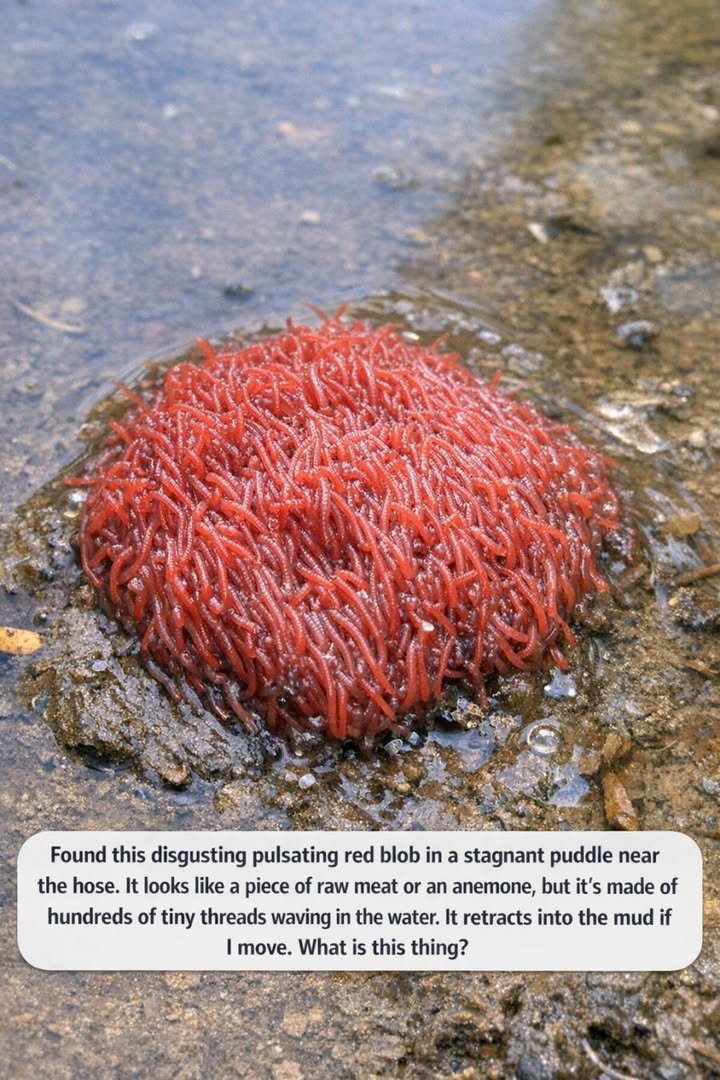
7. Are Tubifex Worms Dangerous to Humans or Pets?
Tubifex worms are generally not considered dangerous to humans or pets. They do not pose any direct threat and are not known to carry diseases that can be transmitted to humans. However, the environments in which they are found can sometimes harbor harmful bacteria or pollutants, so it is advisable to avoid direct contact with the water or soil where they are present.
For pets, the primary concern would be if a dog or cat ingests the worms, which could potentially lead to gastrointestinal upset. However, this is more related to the environment and not the worms themselves. It is always a good idea to prevent pets from drinking or playing in stagnant water to avoid any potential health issues.
8. What Their Presence Says About Your Water and Soil Quality
The presence of tubifex worms in your backyard can be an indicator of poor water and soil quality. These worms thrive in environments with high levels of organic matter and low oxygen, conditions often associated with pollution and poor drainage.
If you find a tubifex worm colony, it may suggest that the area is experiencing waterlogging or that there is an accumulation of organic waste. This could be a result of runoff from gardens, fertilizers, or other sources of organic debris. Addressing these issues can improve the overall health of your garden and potentially reduce the presence of these worm colonies.
9. Safe Ways to Remove or Relocate a Tubifex Worm Cluster
If you wish to remove or relocate a tubifex worm cluster, it’s important to do so carefully to avoid harming the worms or disrupting the local ecosystem. One method is to gently scoop the colony with a small net or a container, ensuring you collect as much of the mass as possible. Once collected, you can relocate the worms to a more suitable environment, such as a pond or wetland area.
Alternatively, improving the drainage and reducing the organic matter in the area can naturally discourage the worms from returning. This might include redirecting water flow, aerating the soil, or reducing the use of fertilizers that contribute to organic buildup.
10. When to Worry and When to Simply Leave Them Alone
In most cases, tubifex worm colonies are harmless and can be left alone, as they play a role in breaking down organic matter and contributing to the ecosystem. However, if their presence is accompanied by foul odors or significant changes in water quality, it may indicate a more serious underlying issue that needs to be addressed.