
Place the cuttings in a location with bright, indirect light. Direct sunlight can scorch the leaves and stress the cuttings, while too little light can hinder photosynthesis. A balance of light and humidity will support healthy root development.
9. Watering Weigela Cuttings Without Causing Rot
Water the cuttings lightly and ensure that the potting mix remains consistently moist but not waterlogged. Overwatering is a common issue that leads to rot, so it’s important to allow the top layer of soil to dry slightly between waterings.
Check the moisture level regularly by inserting your finger into the soil up to the first knuckle. If it feels dry, it’s time to water. Use a spray bottle to water gently, avoiding direct streams of water that can dislodge the cuttings.
10. How to Tell When Your Cuttings Have Rooted and What to Do Next
After four to six weeks, gently tug on the cuttings to check for resistance, which indicates root development. Alternatively, look for new leaf growth, a sign that the cuttings have successfully rooted.
Once rooted, gradually acclimate the cuttings to lower humidity by removing the covering for a few hours each day. This process, called hardening off, prepares the cuttings for transplanting and ensures they are strong enough to thrive in their new environment.
11. Hardening Off and Planting Out for Long-Term Growth
After the cuttings have been hardened off, they are ready to be transplanted into larger pots or directly into the garden. Choose a well-drained location with partial to full sun exposure, depending on your climate.
Dig a hole twice the size of the root ball and backfill with soil, ensuring the plant is at the same depth as it was in the pot. Water thoroughly after planting and apply mulch to retain moisture and suppress weeds. With proper care, your weigela cuttings will grow into healthy, vibrant shrubs that enhance your garden for years to come.
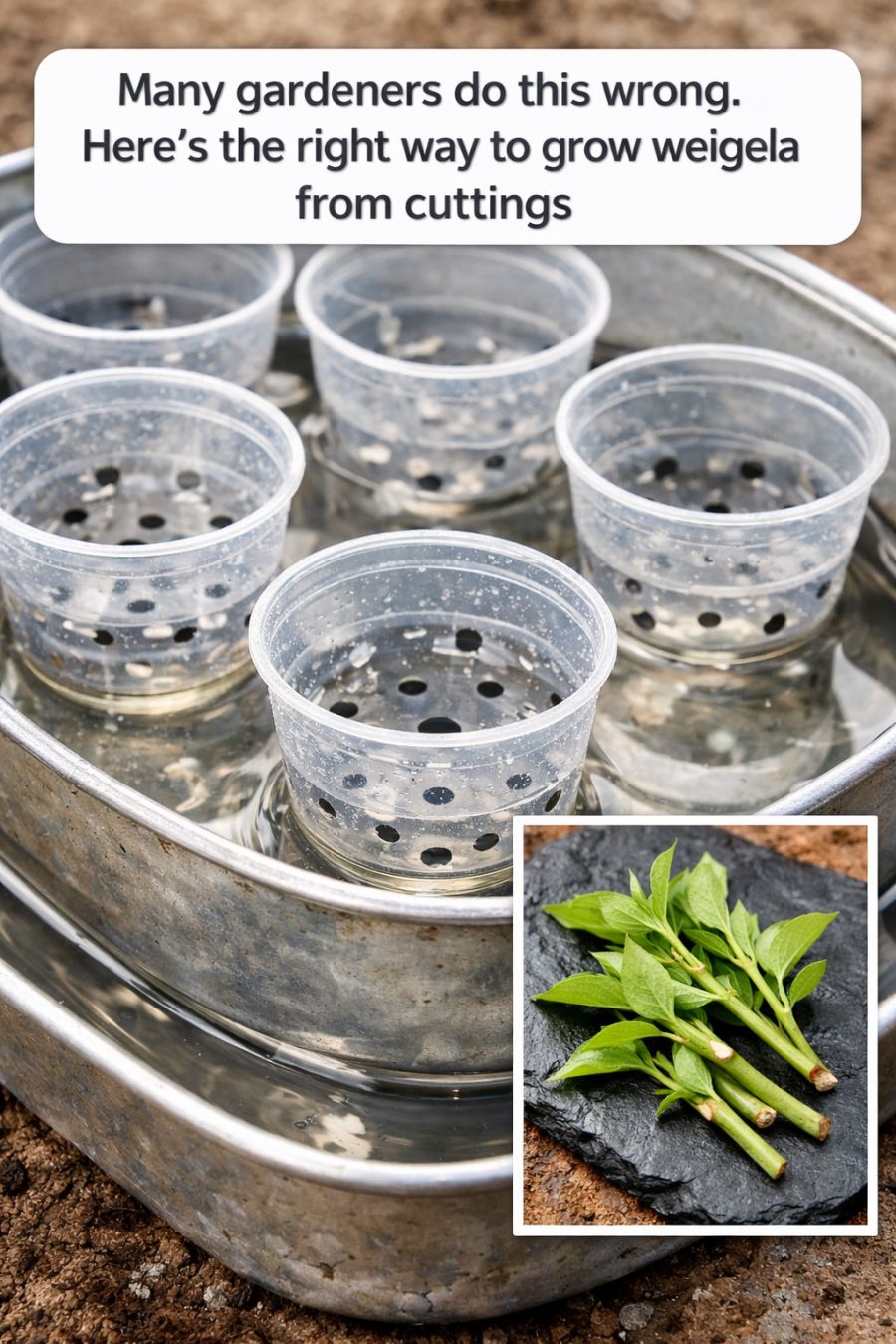
Many gardeners do this wrong. Here’s the right way to grow weigela from cuttings
Pages: 1 2
